
How to Maintain a Commercial Vehicle Sunroof | Prevent Leaks and Costly Repairs
For many commercial vehicles, a sunroof isn’t just about aesthetics—it improves cabin ventilation, driver comfort, and overall driving experience. But unlike passenger cars, commercial vehicles operate under tougher conditions: longer hours, harsher environments, and heavier usage.

Without proper maintenance, a sunroof can quickly turn from a benefit into a costly repair issue. Here’s how to keep your sunroof in top condition and avoid unnecessary downtime.
- Why Sunroof Maintenance Matters for Commercial Vehicles
- 1. Keep the Sunroof Glass Clean
- 2. Inspect and Clean Drainage Channels
- 3. Check Rubber Seals and Weatherstripping
- 4. Lubricate Moving Parts
- 5. Test the Sunroof Operation Regularly
- 6. Protect the Sunroof from Heavy Loads
- 7. Schedule Periodic Professional Inspections
Why Sunroof Maintenance Matters for Commercial Vehicles
Commercial fleets depend on reliability. A poorly maintained sunroof can lead to:
Water leaks damaging interior components
Wind noise affecting driver comfort
Electrical failures in sunroof motors
Increased repair costs and downtime
Regular maintenance ensures your vehicles stay on the road—and your costs stay under control.
1. Keep the Sunroof Glass Clean
Dust, debris, and road grime build up quickly on commercial vehicles, especially those operating in construction, logistics, or industrial environments.
What to do:
Clean the sunroof glass at least once every 2 weeks
Use a non-abrasive glass cleaner
Avoid harsh chemicals that may damage seals
Why it matters:
Clean glass improves visibility, prevents scratches, and reduces wear on sealing components.
2. Inspect and Clean Drainage Channels
One of the most common causes of sunroof leaks is clogged drainage tubes.
Signs of blockage:
Water dripping inside the cabin
Damp headliner
Musty odors
Maintenance tip:
Check drainage holes regularly
Use compressed air or a soft brush to remove debris
Avoid sharp tools that can damage the tubes
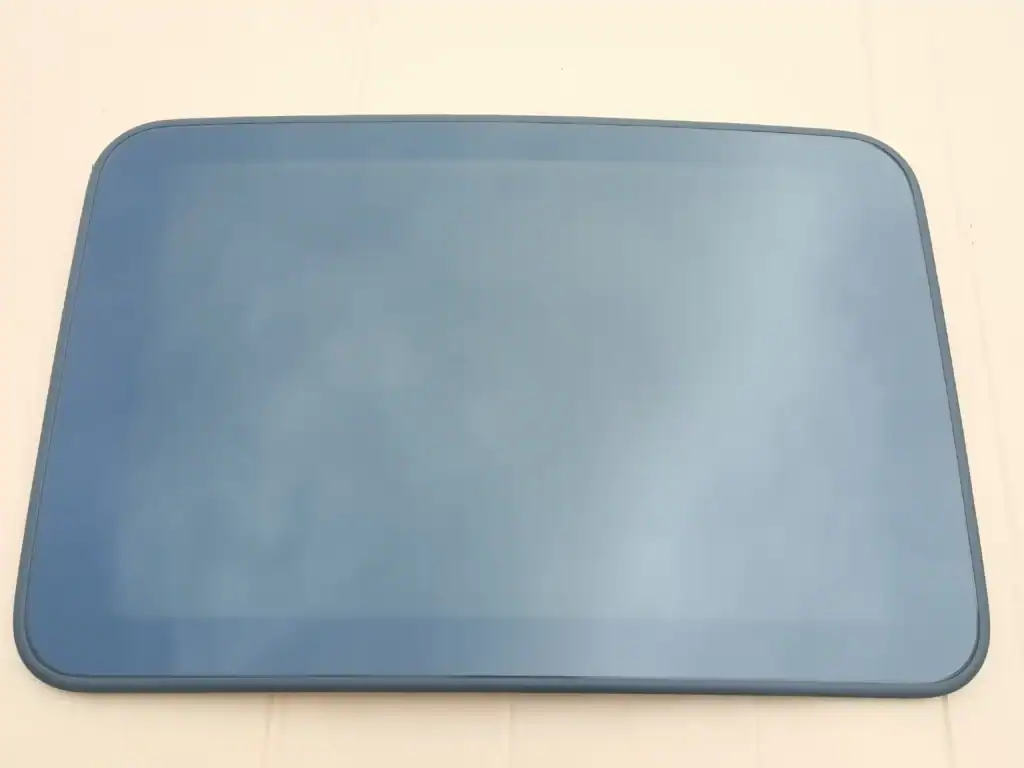
3. Check Rubber Seals and Weatherstripping
Rubber seals are critical for keeping water and air out, especially in vehicles exposed to extreme weather.
Look for:
Cracks or brittleness
Loose or warped seals
Dirt buildup along edges
Best practice:
Clean seals with mild soap and water
Apply a rubber conditioner every few months to prevent drying
4. Lubricate Moving Parts
Commercial vehicles often experience more frequent sunroof usage, which increases wear on mechanical components.
Key areas to lubricate:
Tracks and rails
Hinges and moving joints
Tip:
Use manufacturer-recommended lubricants only—improper products can attract dirt and cause more damage.
5. Test the Sunroof Operation Regularly
Don’t wait for a failure to occur. Make functional checks part of routine inspections.
Check for:
Smooth opening and closing
Unusual noises
Delays or jerky movement
If anything feels off, address it early before it turns into a major repair.
6. Protect the Sunroof from Heavy Loads
In commercial settings, vehicles are often loaded with equipment or materials. Improper loading can stress the roof structure.
Avoid:
Placing heavy cargo directly above the sunroof
Using the roof as a support point
Structural pressure can damage both the glass and the sunroof mechanism.
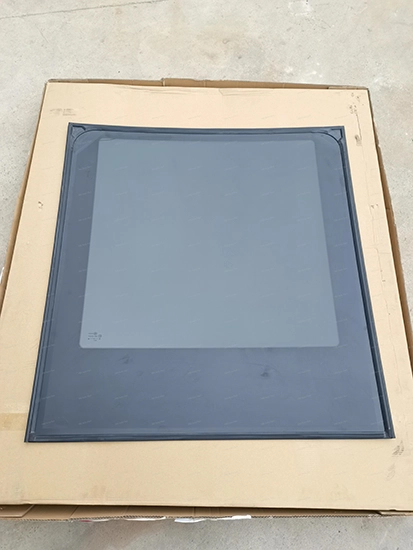
7. Schedule Periodic Professional Inspections
Even with regular care, professional inspections are essential—especially for fleet vehicles.
A trained technician can:
Identify hidden issues
Check motor and electrical components
Ensure proper alignment and sealing
This is particularly important for high-mileage or long-haul vehicles.
Common Mistakes to Avoid
Ignoring minor leaks (they get worse quickly)
Using household oils instead of proper lubricants
Skipping maintenance due to “low usage”
Delaying repairs during busy operation periods
Final Thoughts
Sunroof maintenance for commercial vehicles isn’t complicated—but it does require consistency. A simple routine can prevent expensive repairs, reduce downtime, and improve driver comfort.
For fleet managers and repair shops, staying proactive is always more cost-effective than reactive fixes.
Frequently Asked Questions (FAQ)
1. How often should I service a commercial vehicle sunroof?
Ideally, basic maintenance should be done monthly, with a more detailed inspection every 3–6 months depending on usage.
2. Why is my sunroof leaking even when it’s closed?
The most common reason is clogged drainage tubes or worn-out seals, not the glass itself.
3. Can I use regular oil to lubricate the sunroof?
No. Regular oil can attract dust and debris. Always use a manufacturer-approved lubricant.
4. Is sunroof maintenance different for trucks and vans?
The basic principles are the same, but commercial vehicles require more frequent checks due to heavier usage and harsher environments.
5. When should I replace sunroof glass?
If you notice cracks, chips, or structural weakness, replacement is recommended immediately to ensure safety and prevent further damage.