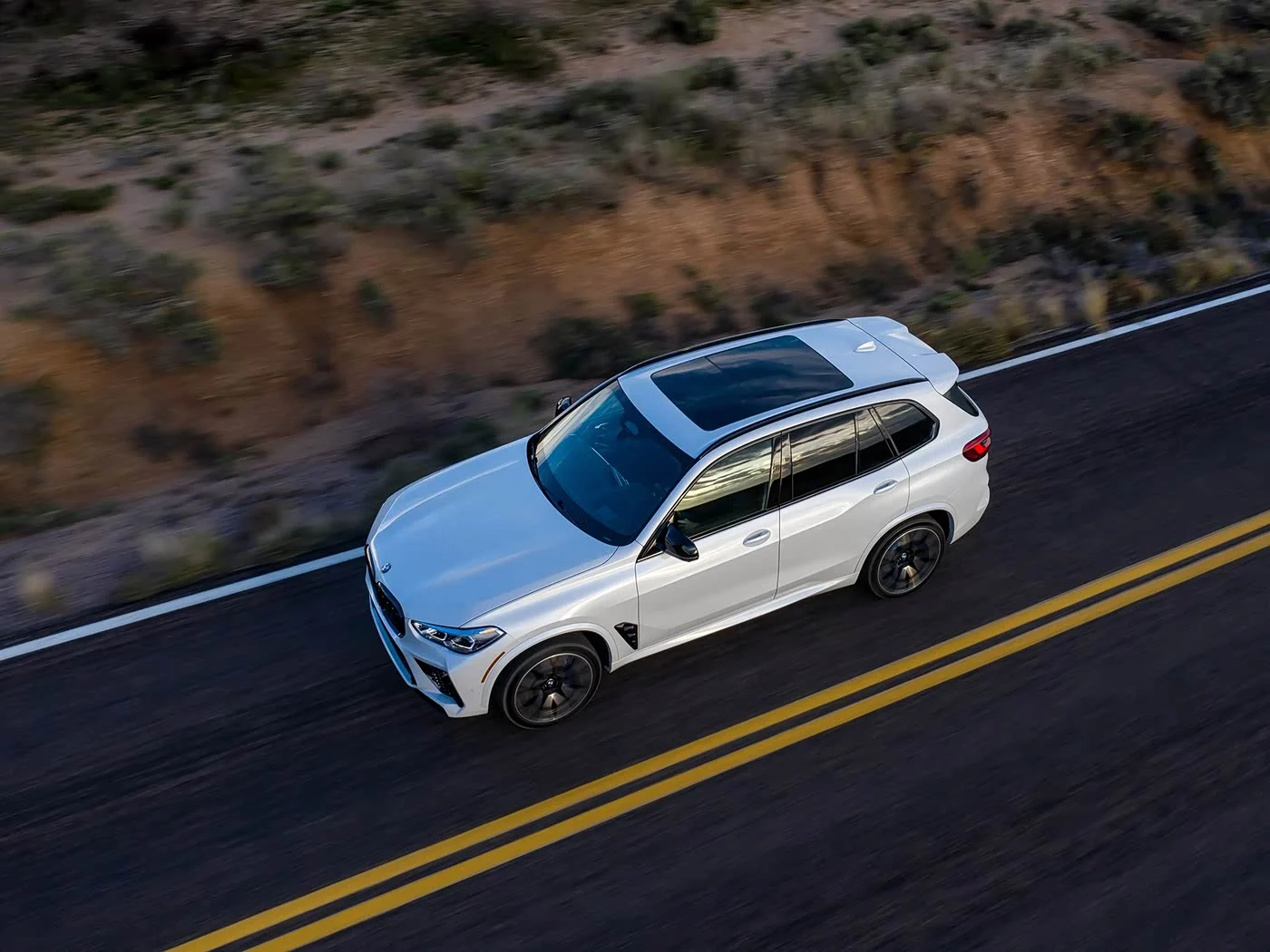
Panoramic sunroof glass: Is it really worth replacing? A professional sunroof manufacturer answers your questions
Cruising on an open highway, a tranquil atmosphere arises spontaneously. Soft music plays, traffic is light, and the boundless sky hangs overhead. For many drivers, this feeling is inseparable from one feature: a panoramic sunroof.
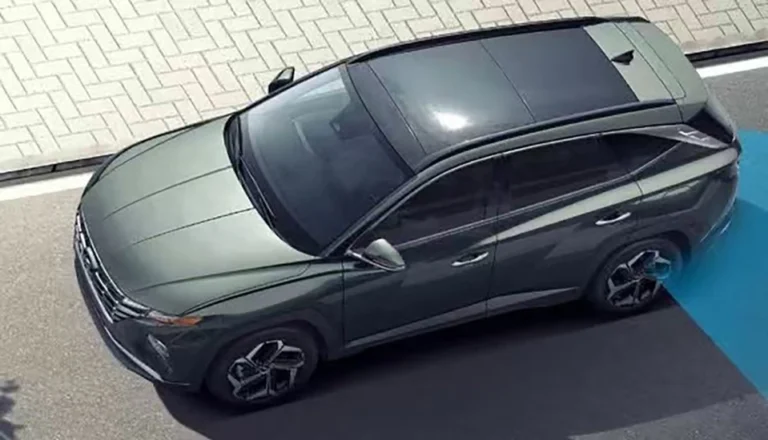
Once a feature only found in luxury sedans, panoramic sunroofs have now quietly appeared on family SUVs and compact crossovers. Now, in mid-to-high-end models, panoramic sunroofs are almost standard. But beyond the glamorous advertising and dealer sales pitches, is it really worth the price? Or is it just a pretty piece of glass?
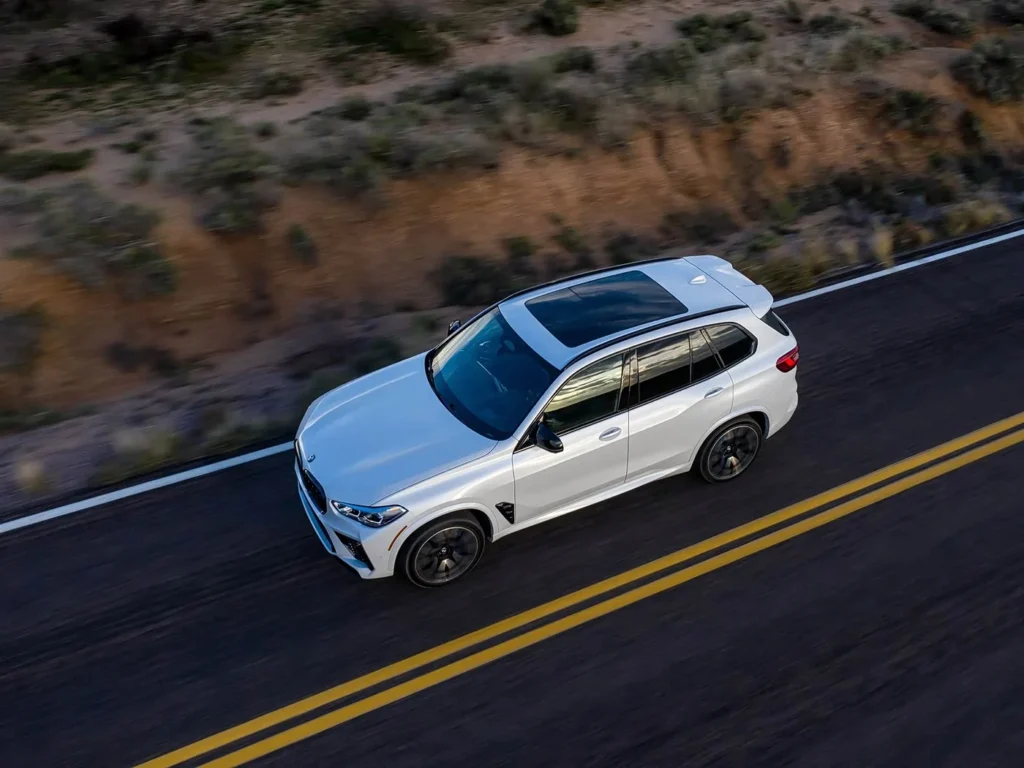
Let Houming Automotive Sunroof Glass Manufacturer provide an in-depth analysis.
More Than Just Ventilation—It’s About Space and Light
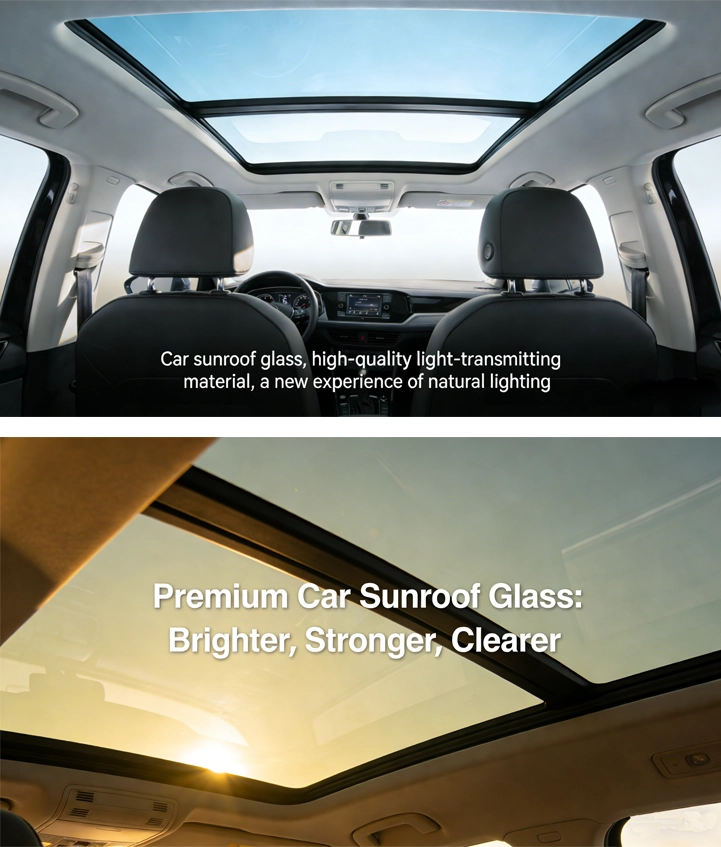
Most people think of car sunroofs as simply for ventilation. But a panoramic sunroof is different. Even when closed, it transforms the entire atmosphere of the cabin.
Because it covers most of the roof area—usually including the front and rear seats—the interior is filled with natural light. Small vehicles instantly feel larger. The previously cramped rear seats no longer feel so crowded. The cabin feels spacious, not enclosed.
On a recent trip driving an SUV with this type of roof, I noticed something interesting: during the day, we hardly used the interior lights at all. The dashboard was much easier to see, and the overall atmosphere was brighter. At night, rear passengers were gazing up at the stars. It sounds simple, but it really changes the atmosphere inside the car.
Once you get used to this sense of openness, going back to a closed metal roof can feel incredibly stifling.
So what about the insulation and safety of a sunroof?
People are usually first concerned about insulation—and that’s a perfectly valid concern. If you live in a hot place like Arizona or Texas, the last thing you want is for a glass roof to turn your car into a greenhouse.
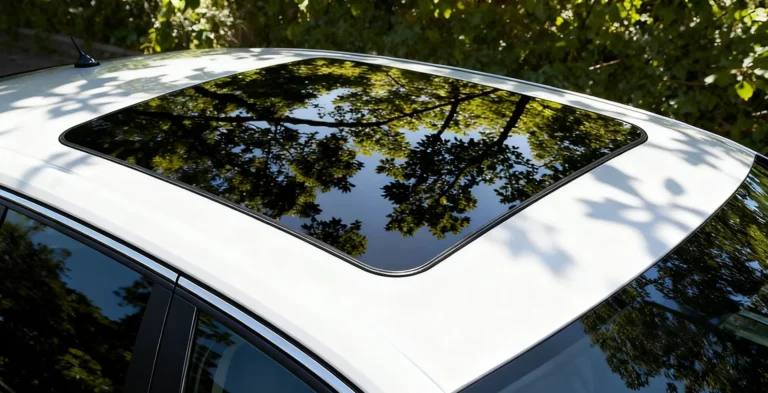
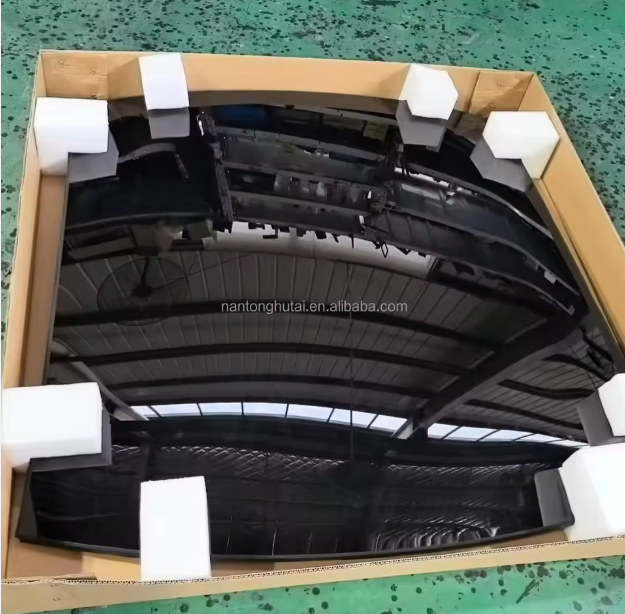
Fortunately, modern panoramic sunroofs aren’t just ordinary glass panels. Most panoramic sunroofs are made of laminated tempered safety glass with a UV-blocking coating and infrared reflective technology. In everyday driving, especially with the air conditioning on, the temperature difference compared to a regular roof is negligible.
Safety is another common consideration. These sunroofs are designed to meet stringent structural standards. In many cases, the surrounding frame is reinforced to ensure the sunroof’s strength in the event of a collision or rollover. They are far more robust than people imagine.
Resale Value and Long-Term Practicality
From a resale perspective, a panoramic sunroof can be a wise choice.
Vehicles equipped with higher-end features tend to be more sought after in the used car market. In used car images, the large glass sunroof is particularly eye-catching. It not only represents a higher level of configuration but also usually means additional features—better interior materials, upgraded technology, and advanced safety systems.
That said, panoramic sunroofs are not entirely maintenance-free. The tracks and seals should be cleaned regularly to prevent leaks or mechanical failures over time. It doesn’t require constant monitoring, but occasional cleaning—especially during regular servicing—can prevent problems later.
It’s more like “light maintenance” than “heavy maintenance.”
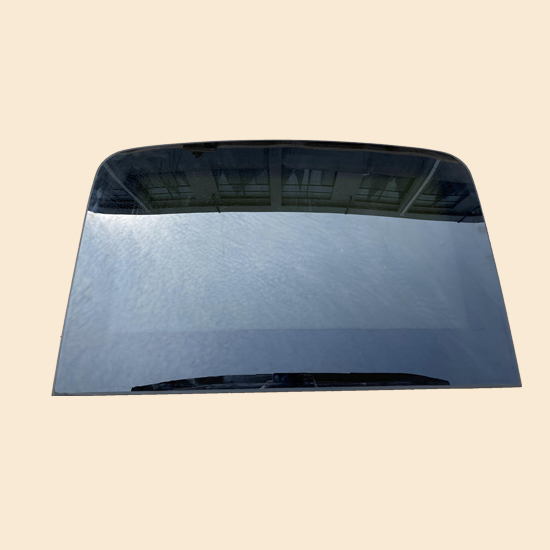
So, is it worth the investment?
That depends on how you use your car.
If you have a long daily commute or enjoy weekend road trips, a panoramic sunroof offers some hard-to-quantify but obvious benefits. It keeps you connected to the outside world without being affected by wind noise or turbulence, making daily driving more enjoyable.
If you have a limited budget and prioritize basic functionality, you can completely forgo a panoramic sunroof and still have a great car.
But if your budget allows, a panoramic sunroof is definitely an upgrade that subtly and consistently enhances the daily driving experience. It’s not just about aesthetics; it’s about comfort, light, and that subtle sense of openness, making your driving time more pleasant.
And sometimes, it’s these subtle differences that make a car truly stand out.