Sunroof Glass Types | Replacement Guide | How to Choose a Supplier
The car sunroof, as a common feature of modern cars, not only enhances the passenger experience but also offers numerous conveniences to the driver. Depending on different classification criteria, car sunroofs exhibit diverse characteristics.
The materials and advantages of car sunroof glass

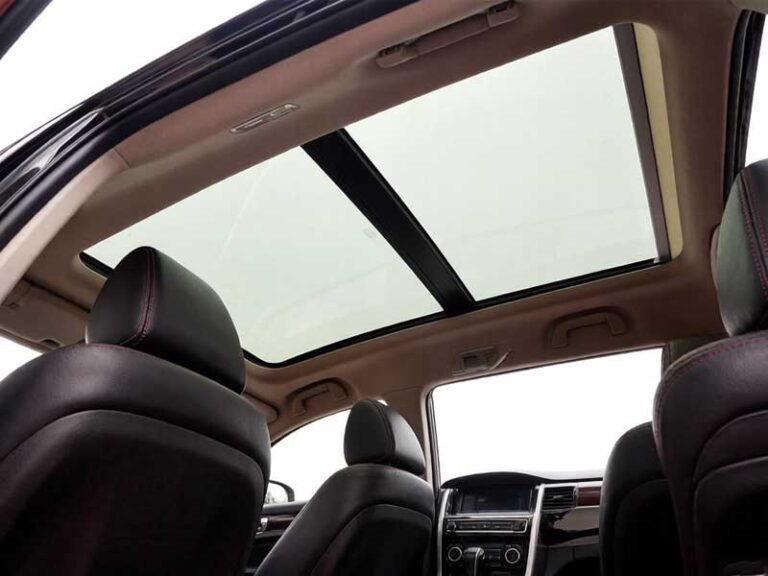
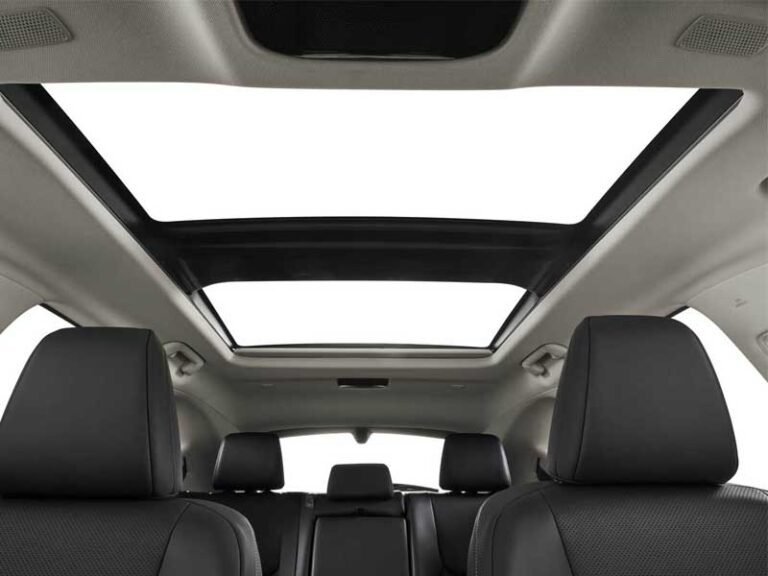
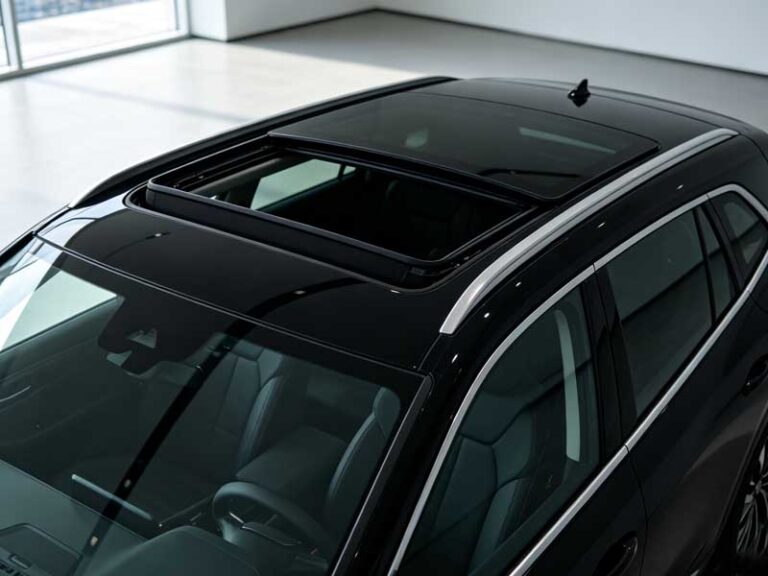
After the development of automobiles for many years, the development of sunroofs has also changed. In modern life, there are two main forms of automobile sunroofs: ordinary sunroofs and panoramic sunroofs. The material of the sunroof is divided into tempered glass and laminated glass on the basis of the glass. Two kinds of glass with different materials have different uses in different situations, but their advantages are that they can increase lighting and ventilation methods for the interior environment of the car, and the experience brought to passengers is getting better and better.
Tempered glass is commonly used as the material for car sunroofs.
Tempered glass is primarily composed of glass, but also includes other materials such as aluminum, iron, steel, plastic, and rubber.
Due to its properties, tempered glass has become a common material for car sunroofs.
1. Tempered glass has high strength and can withstand significant external impacts.
Even when encountering obstacles such as stones during operation, it is not easily broken.
2. Tempered glass is heat-resistant
Can effectively withstand high temperatures even in hot weather without deforming or breaking due to overheating.
3. Tempered glass is safe.
When tempered glass breaks, it forms uniform small particles, unlike ordinary glass, which leaves sharp, razor-like edges, significantly reducing the risk of injury to occupants. It is because of this characteristic that it is called safety glass.
Tempered glass possesses high hardness and durability, and unless accidentally damaged, it does not need to be replaced during its service life.
Testing standards and grades related to sunroof glass
The durability of the car sunroof glass needs to be further evaluated through international standard tests. The most important aspects are impact resistance, temperature tests, and environmental pressure tests.
In addition to safety assessments, there is usually an ultraviolet resistance test, which requires testing the long-term results of blocking ultraviolet rays. The higher the final rating, the better the protection of the window glass for the interior.
In addition to these, there are also tests for measuring environmental noise. These tests ensure the industry standards of car sunroofs, allowing for more durable use and providing customers with a better experience.
Sunroof Glass Safety Features
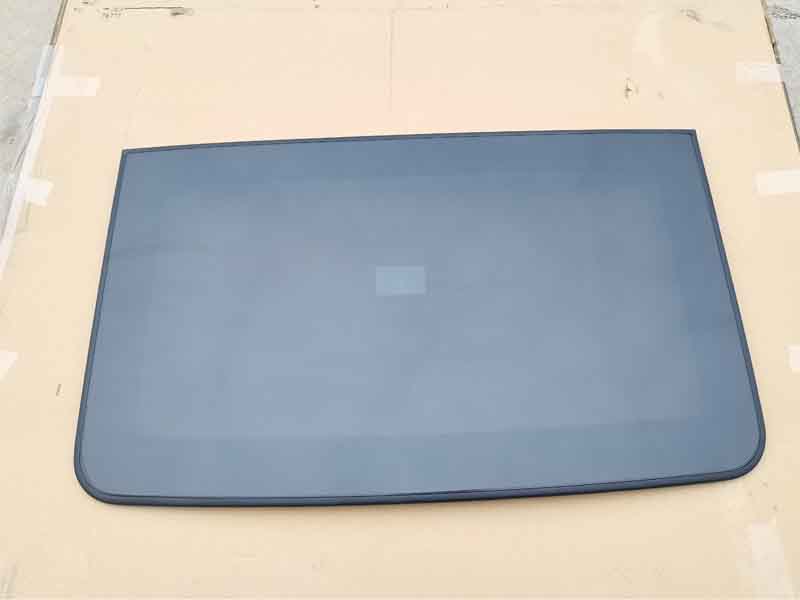
Sunroof glass safety features are designed to protect occupants during accidents and prevent injury from broken glass. Impact resistance is the primary feature. Both tempered and laminated glass meet the minimum FMVSS safety standards, but laminated glass offers superior protection by containing shards within its plastic interlayer.
Some premium laminated glass also includes a sound – dampening interlayer that reduces exterior noise, enhancing both safety and comfort.
Daily maintenance methods for car sunroofs
Proper maintenance is key to extending the lifespan of your new sunroof glass.
The movable parts of the sunroof can be frequently cleaned with fine talcum powder. The mechanical parts should be regularly cleaned with engine oil or lubricant, and it is recommended to do this every two months. After long-term use, there will usually be a lot of sand particles deposited in the sunroof’s tracks and gaps. If not cleaned regularly, it will wear out the sunroof components. The area around the tracks should be cleaned frequently to prevent sand particle deposition and extend the service life of the sunroof seal.
Generally, after 2 to 3 months of use, the sealing strips or tracks can be cleaned with a cleaning solution on a piece of gauze. After cleaning, apply a small amount of engine oil or grease. Before opening the sunroof, make sure there are no obstacles on the roof that could impede the movement of the glass panel. The design of the sunroof panel has the functions of heat insulation and UV protection. It should be cleaned with a soft cloth and detergent. Do not use sticky cleaning agents. The main concern when using a sunroof is rain leakage. Correct use and maintenance can effectively prevent water leakage.
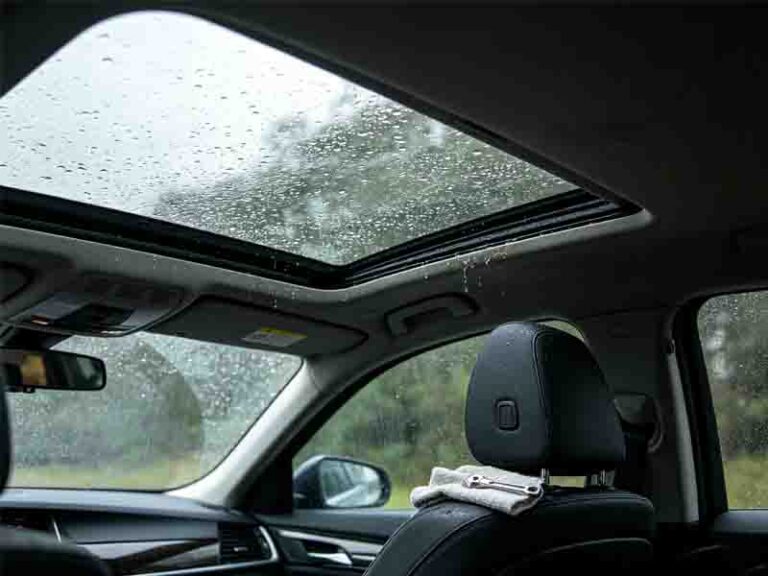
Before the rainy season, in addition to cleaning the sand and dust in the tracks and gaps of the sealing strips, a small amount of plastic protective agent or talcum powder should be sprayed on the sealing strips and other components. In winter, after snow or car washing, the sunroof glass and sealing strips may be frozen. If the sunroof is forcibly opened at this time, it may damage the sunroof motor and rubber sealing strips.
The correct approach is to open the sunroof after snow or car washing and dry the remaining water on the edges. On bumpy roads, it is not recommended to fully open the sunroof, as excessive vibration between the sunroof and the tracks may cause deformation of related components or even damage the motor. In addition, the sunroof should not be opened when it is raining or when the vehicle is being washed.
FAQ
Can I replace the sunroof glass in my car with a different brand of glass from the original one?
Yes, but compatibility must be considered and weighed. The sunroof glass produced by Haoming has advanced precision molds, which can adapt to the size of most models and accurately match the size of cars.
How can I judge whether a supplier of sunroof glass is reliable?
Check the relevant evaluation to see whether the product quality, on-time delivery, and timely response service have been unanimously affirmed. Suppliers who can provide technical resources, such as an installation guide or expert support, are also strong proof of reliability.