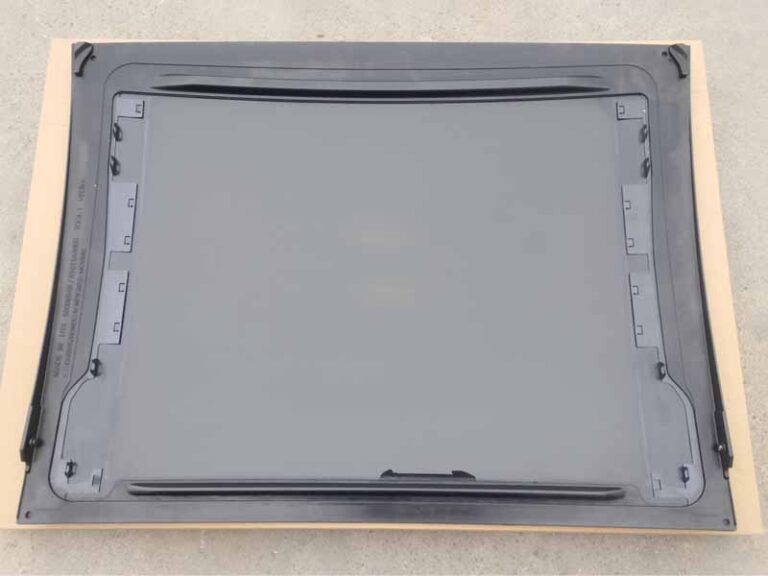
5 Warning Signs You Need a Replacement Sunroof for Cars
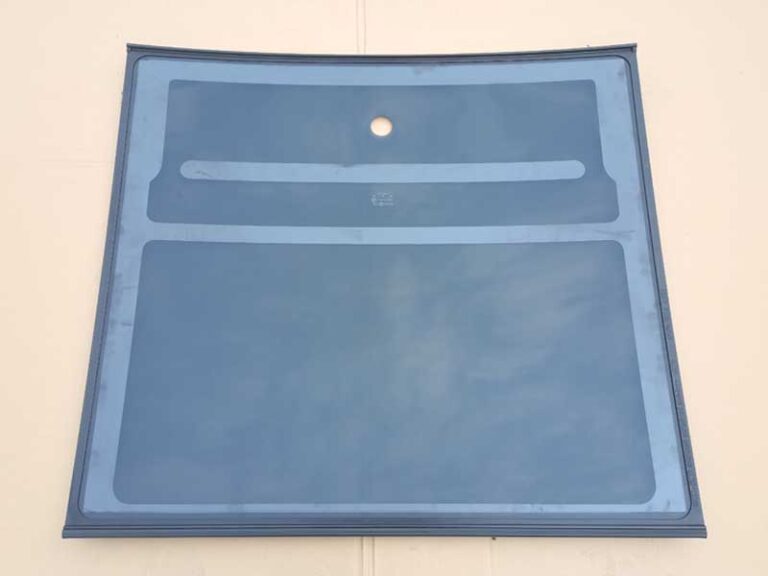
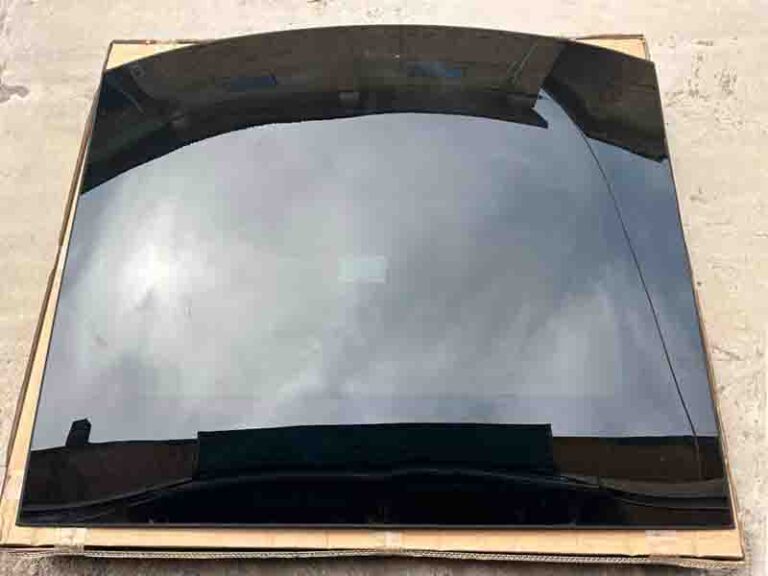
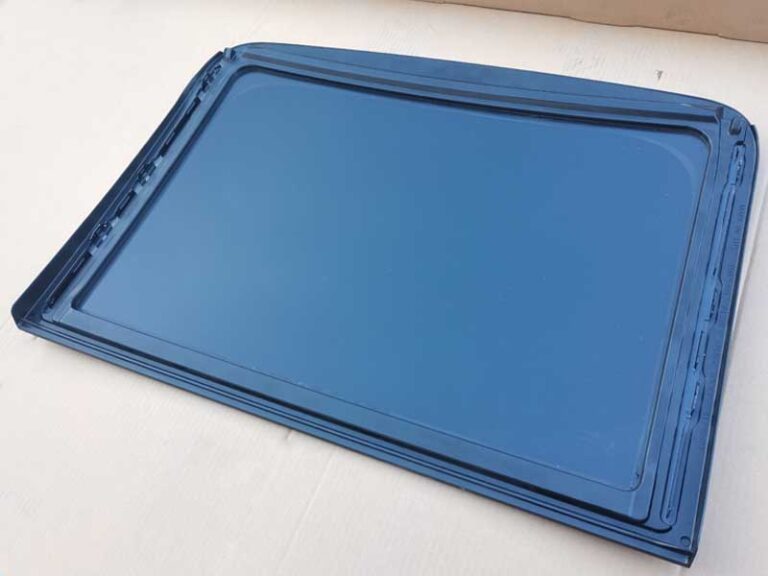
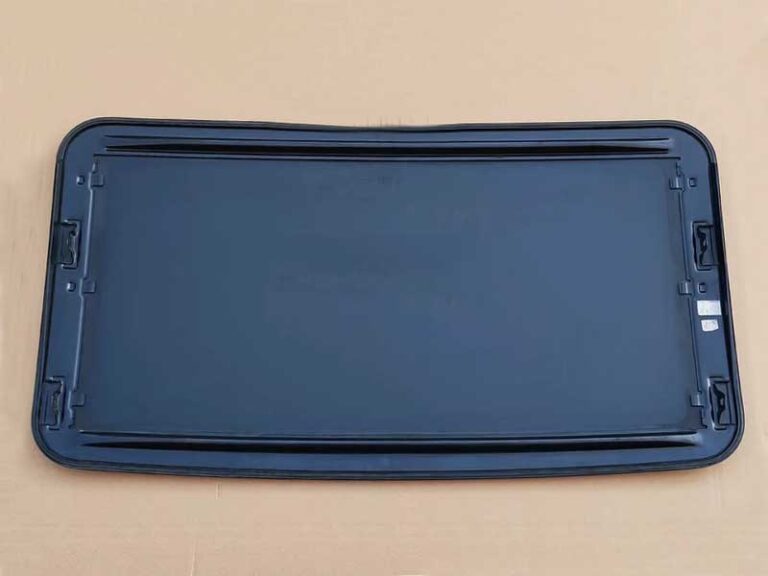
A sunroof is a pleasant configuration in modern cars, which can bring a wide field of vision, bright light inside the car, and a pleasant breeze. However, when it breaks down, a small problem may quickly turn into an expensive disaster, from annoying noise to catastrophic water leakage, and even affect driving safety. It is very important to recognize the warning signal that the Replacement Sunroof for Cars.
Timely action can not only protect the interior of your car from water stains and mildew, but also prevent small problems from developing into structural damage that requires higher maintenance costs.
Signal 1: Repeated water leakage
Sunroof leakage is the most common fault. At the beginning, it may only occasionally leak water during the rainy season. Many car owners will mistakenly think that the drain pipe is blocked, and it will go away after dredging. However, if the drain pipe is dredged and the water guide tank is cleaned, the dripping water in the car and the damp and moldy ceiling still appear when washing the car on rainy days, the high probability is that the sealing strip has aged and failed.
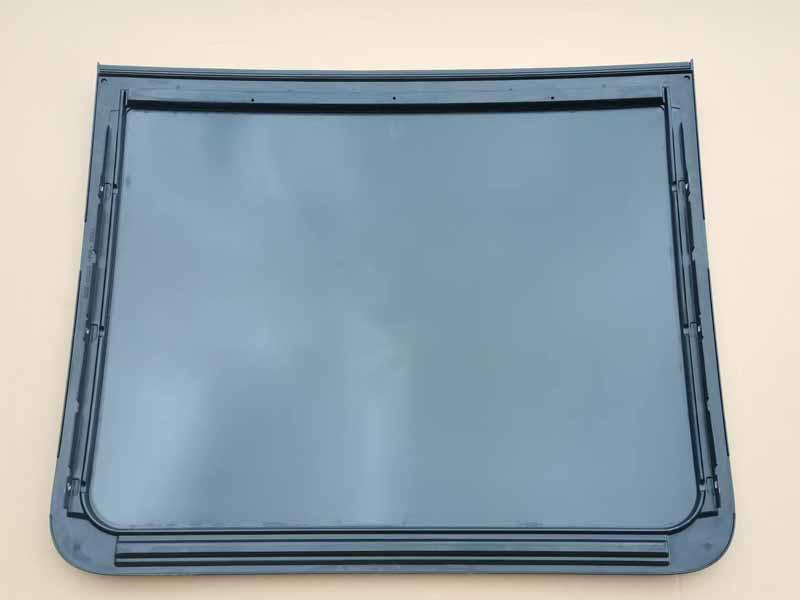
The sealing rubber strip is the first waterproof barrier of the sunroof. After long-term exposure to ultraviolet rays and temperature differences, it will gradually lose its elasticity, crack, or even fall off. In this case, the effect of simply repairing the rubber strip is limited because aging is holistic, and local repair can not restore the overall sealing. Especially for vehicles with panoramic sunroofs, the aging speed of rubber strips is faster. Once there is a large area of water leakage, replacing the new sunroof assembly is a more thorough solution.
Simple troubleshooting:
You can do a simple test: open the sunroof and carefully check whether the sealing strip is flat and cracked. Then, slowly pour a small glass of water into the sealed area of the sunroof to observe whether the water can be guided away smoothly and whether there is leakage in the carriage. Please note: this test needs to be cautious, and the amount of water should not be too large.
Signal 2: Abnormal sound of switch stuck
The sunroof makes an abnormal sound when it is opened, closed, or driving, or it is stuck and cannot be completely closed, which indicates that the mechanical structure of the sunroof has been seriously worn. Common fault points include a lack of lubrication of the slide rail, wear of the gear set, overload of the motor, etc.
At the beginning, it can be relieved by adding special lubricating oil and cleaning up foreign objects on the slide rail. However, if the abnormal noise continues to increase, or even if the sunroof stops halfway and cannot move, it means that the core components have been damaged. In this case, replacing a single component is not only costly but also may lead to failure recurrence due to the adaptation problem of the old and new components. Choosing to replace the whole set of sunroof assembly can solve the wear problem of the mechanical structure at one time and restore the smooth operation of the sunroof.
Processing steps:
First, thoroughly clean and lubricate the slide rail (be sure to use grease special for sunroof, not ordinary oil). If the noise remains or there is mechanical sticking, professional diagnosis is needed. If the noise comes from the broken internal bracket, serious deformation of the slide rail, or damage to the motor/cable assembly, and it is too expensive or not feasible to replace these small parts alone, replacing the whole sunroof assembly is often a more economical and reliable long-term solution.
Signal 3: Risk of glass crack or self-explosion
Sunroof glass looks solid, but in fact, it has been subjected to the test of wind pressure, temperature difference, and sand impact for a long time. If there are fine cracks on the glass surface, or “spider-net” cracks suddenly appear without external impact, it means that the strength of the glass has decreased and there is a risk of self-explosion.
Especially in high temperatures during summer, the sunroof glass is exposed to the sun for a long time, and internal stress is concentrated, allowing microcracks to expand rapidly. Once the glass breaks, it will not only affect driving safety, but also lead to the loss of property in the car. In this case, the sunroof glass must be replaced in time, and it is recommended to choose tempered glass or laminated glass from the original factory to ensure its strength and safety meet the vehicle design standards.
Signal 4: Control system failure, sunroof failure completely.
If the sunroof can’t be opened or closed suddenly, and the key operation is unresponsive, it may be that the control system has failed. Common causes include a blown fuse, a burnt motor, a short circuit in the line, or damage of control module.
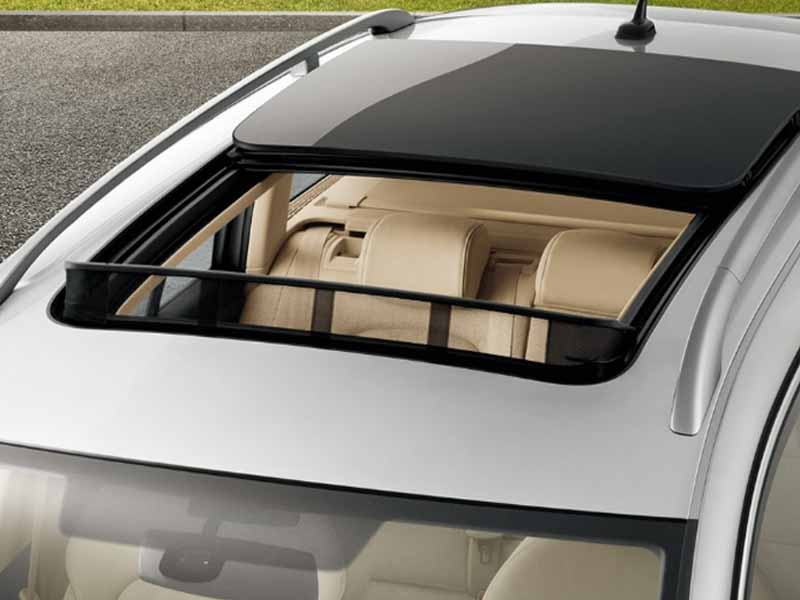
In this case, first check whether the fuse is normal. If the fault still exists after replacing the fuse, professionals are needed to detect the motor and control module. If the core control components are damaged, the maintenance cost is often high, and the stability after repair is difficult to guarantee. At this time, replacing the new sunroof assembly can replace the motor, control module, and other components at the same time, completely solve the fault of the control system, and avoid the trouble of repeated maintenance.
Signal 5: The sealing strip is seriously aged, hardened, or missing.
Inspection points:
Look closely at the rubber strip around the sunroof glass. If it is full of cracks, stiff to the touch like plastic, inelastic, partially notched, or obviously collapsed, then its sealing function has basically lost.
Pre-emptive measures:
Replacing the sealing strip should be the primary and low-cost maintenance attempt. A brand-new and soft sealing strip can solve most wind noise and potential water leakage problems.
Solution of the automobile sunroof warning
Preliminary diagnosis and basic maintenance: First, thoroughly clean the slide rails and drain pipes. Then, try to replace the sealing strip and apply special lubrication. Many early problems can be solved by these two steps.
Seek professional diagnosis: If the basic maintenance is ineffective, be sure to go to a reliable auto repair shop or body shop. Ask the technician to make a detailed inspection to determine whether the root cause of the fault is a component that can be replaced separately (such as motor and cable) or a structural problem of the sunroof assembly itself.
Make wise economic decisions: get detailed quotations. Compare the cost of repairing specific parts with the cost of replacing the whole sunroof assembly (original OEM parts or high-quality brand parts). Please consider:
Vehicle age and value: For old vehicles, high maintenance fees may not be worth it.
Long-term maintenance: Replacing the assembly can usually provide a longer warranty period and a once-and-for-all solution.
Part availability: Sometimes individual widgets may be discontinued, forcing you to replace the assembly.
Final suggestion: Maintaining your sunroof regularly (cleaning and lubricating the slide rail and drain pipe once every six months) is the best way to prolong its life and avoid going to the step of “replacement”.
FAQ
Q: What are the obvious manifestations of the aging of the sunroof sealing strip?
A: The most intuitive thing is that after driving or washing the car in rainy days, there will be water seepage and water leakage at the edge of the sunroof, and even water stains and mildew will appear on the ceiling of the car; Secondly, the rubber strip will lose its original elasticity, and it will stick to slag or become stiff and cracked when touched by hand, and it will not fit the glass after closing the sunroof, and it will also produce obvious wind noise due to air leakage when driving.
Q: Do you have to replace the original parts of the sealing strip?
Answer: If the matching degree and service life are pursued, the original adhesive tape is preferred, so that the adaptability is better and the sealing effect is more guaranteed; If the pursuit of cost-effectiveness, you can also choose high-quality brand-specific adhesive tape that meets the vehicle specifications, as long as the size is matched and installed in place, it can also meet the normal use needs.
Q: The rubber strip is slightly aged. Can it be repaired without replacement?
Answer: If the surface is only slightly hardened, there are no cracks and defects, and there is no water leakage, you can first use a special rubber curing agent for maintenance, and restore some elasticity to continue to use; However, if it has been seriously aged, hardened or missing, accompanied by water leakage, it is recommended to replace it directly as a whole, and it is difficult to maintain a long-term sealing effect after repair.