How Automobile Sunroof Enhances Premium Vehicle Brand Positioning
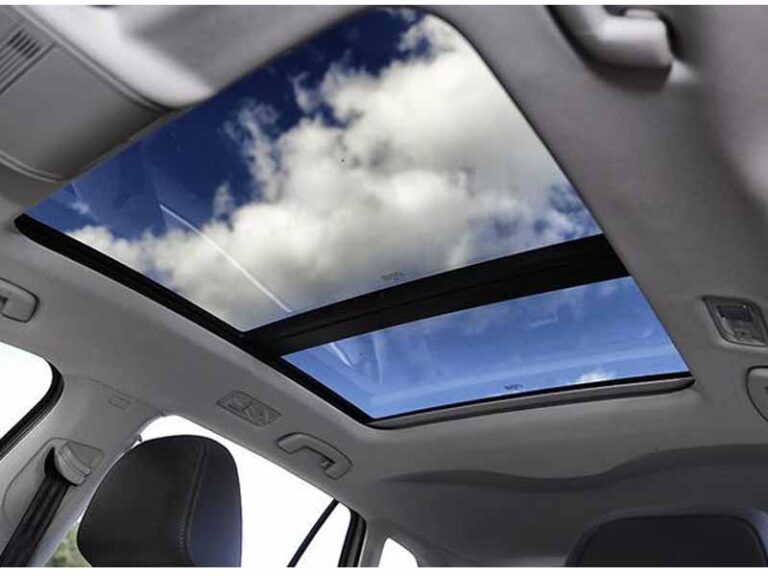
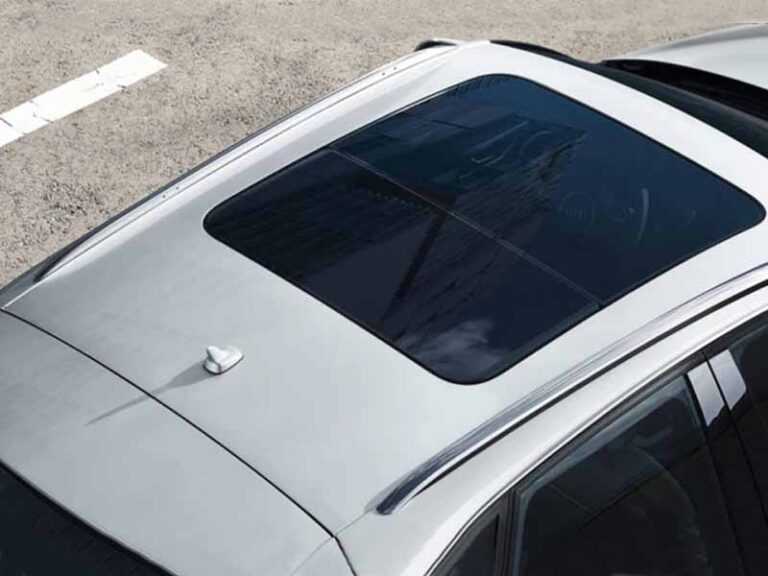
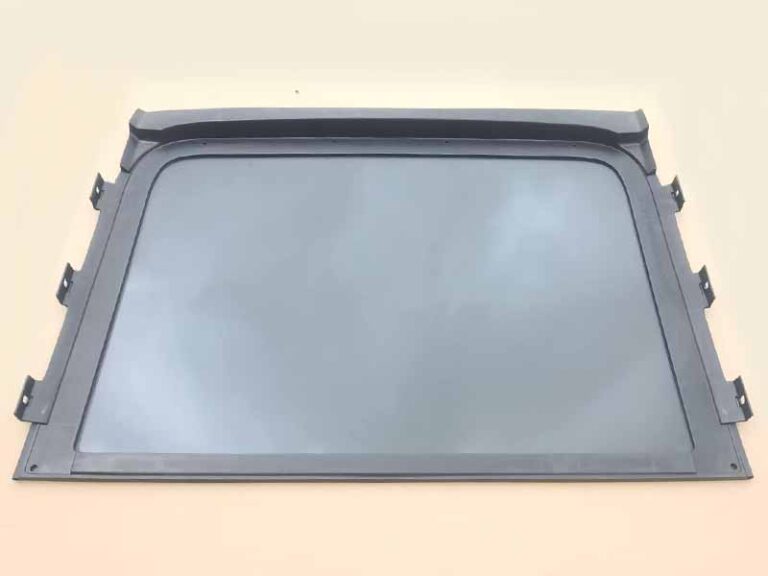
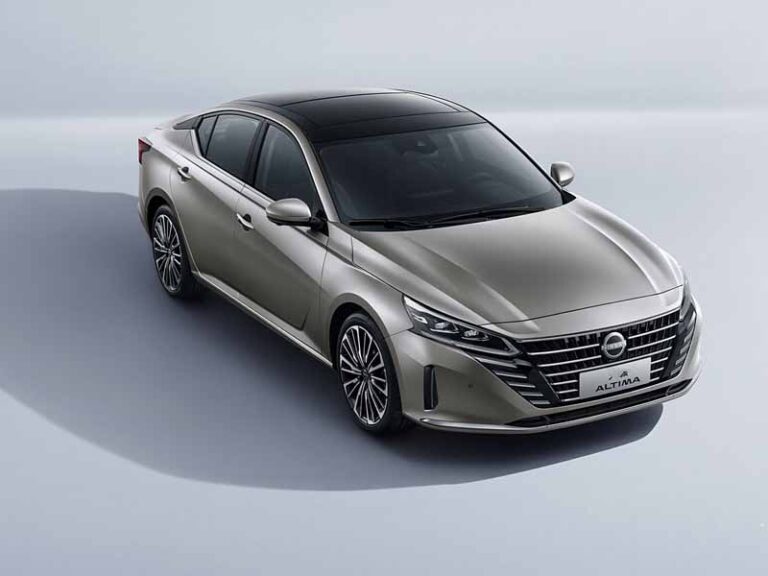
The automobile sunroof is a very conspicuous luxury feature that can strengthen the high-quality image of automobile brands. A sunroof is not only a functional accessory but also conveys craftsmanship, comfort, and a high-end ownership experience. Customers usually associate open, ventilated cabins and advanced panoramic glass with modern luxury models.
From Functional Configuration to Experience Carrier: Automobile Sunroof Reconstruction of High-end Travel Scenes
The core competitiveness of high-end brands has never been the quantity of stacking materials, but the accurate capture of users’ potential experience needs. Sunroofs have just become the core carrier of this experience for car companies.
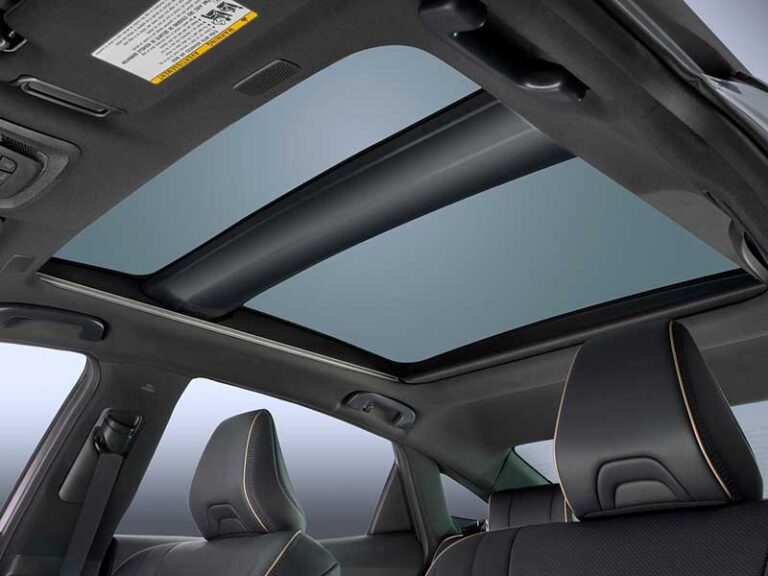
Traditional small-sized sunroofs can only achieve basic ventilation and small-scale lighting, while positioning high-end models will deeply integrate the sunroofs with the scene design of the whole vehicle.
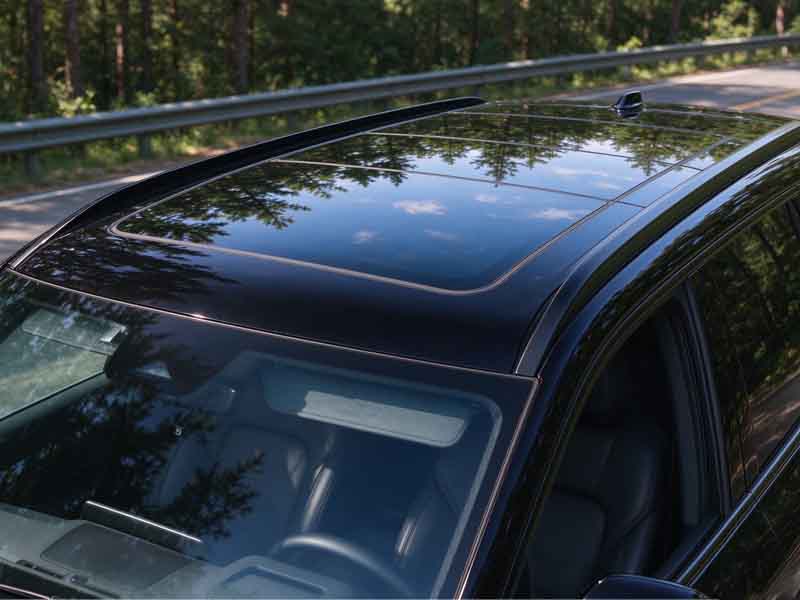
For example, during long-distance driving, the adjustable gradient sunshade film can introduce natural light without dazzling, alleviating the visual fatigue of drivers and passengers. When driving at night, the panoramic sunroof with the embedded atmosphere light set can directly turn the interior space into a moving star-watching scene.
The polishing of these details makes the sunroof jump out of the category of “accessories” and become the core experience difference between high-end models and ordinary models.
When many users compare models at the same price, even if other configuration parameters are almost identical, they will eventually choose a higher-priced high-end version because the automobile sunroof design of a certain car is more humanized and the experience is more delicate.
This choice is essentially that users pay for the high-end experience value carried by the sunroof.
Sunroof becomes the display window of the brand’s technical strength.
The positioning support of high-end brands can’t be separated from the technical barriers that users can’t see. The automobile sunroof is an excellent window that can turn “hidden technical strength” into “explicit perception”.
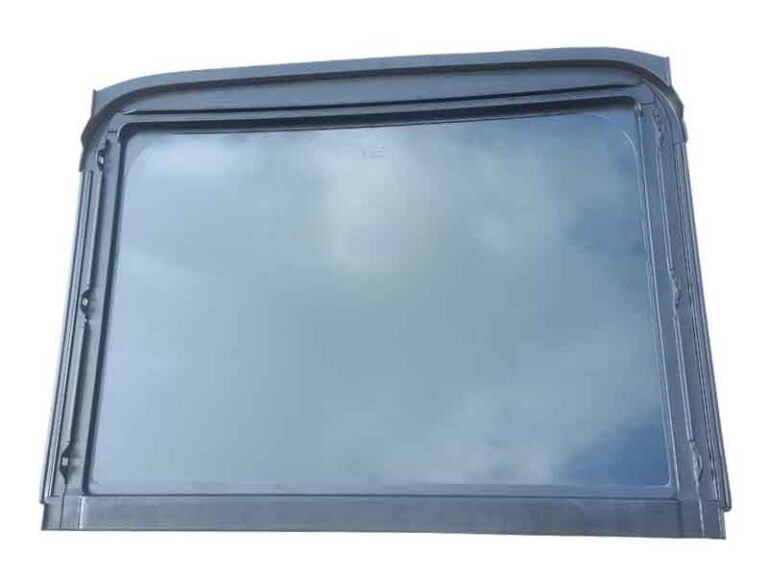
The sunroofs of ordinary models often only need to meet the basic sealing and opening and closing functions. In contrast, the sunroofs developed by high-end brands need to take into account dozens of strict standards such as body rigidity, sound insulation, water leakage, and impact resistance.
Some panoramic sunroofs of luxury brands even have to go through tens of thousands of opening and closing tests and extreme temperature difference environment tests before they can finally be loaded and delivered.
These technical inputs will eventually be transformed into brand advantages that users can directly perceive: for example, the sunroof with Low-E low-emissivity glass, after a long exposure in midsummer, the temperature inside the car is nearly 10 degrees Celsius lower than that of ordinary automobile sunroof models;
The sunroof, equipped with active noise reduction technology, will not produce wind noise and abnormal sounds common in ordinary sunroofs when driving at high speed. These stable and high-quality experiences that users feel in the process of using will directly translate into trust in the brand’s technical strength and further consolidate the brand’s positioning in the high-end market.
Sunroof magnifies the user’s reputation of high-end brands.
In the current automobile consumption decision-making link, the sharing of users’ real experience has become the core path that affects the brand positioning communication, and the automobile sunroof is a memory anchor point that can easily trigger users’ spontaneous communication.
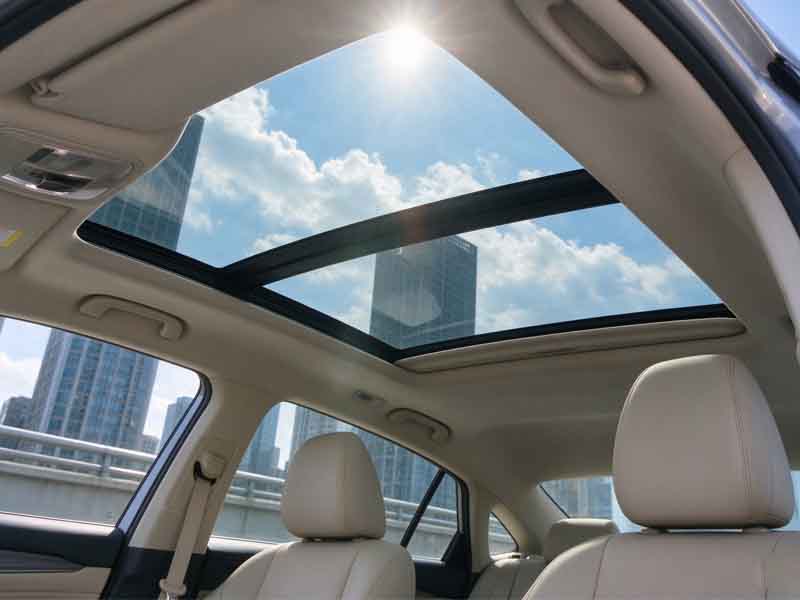
Many car owners of high-end models will share landscape content from the automobile sunroof perspective on social platforms in scenes of self-driving travel and urban commuting. These real user contents will make the impression of “transparency, freedom and high quality” and the corresponding brands deeply bound together.
This kind of communication effect derived from the automobile sunroof will continuously strengthen the cognition of ordinary consumers of the high-end attributes of the brand: when more and more people mention a brand, they associate it with its iconic oversized panoramic sunroof, and the high-end positioning of the brand is no longer a unilateral propaganda slogan of automobile enterprises, but a mental consensus recognized by the user community.
In the long run, this kind of brand mental precipitation instigated by gadgets will become the most difficult competitive barrier for high-end brands to be replaced.
FAQ
Q: Why do many high-end models use a panoramic sunroof as the standard of the whole system, rather than as an option like other configurations?
A: Sunroof is no longer a simple functional accessory, but a “visual business card” used by high-end models to convey brand tonality. For luxury brands, the inclusion of panoramic sunroofs as standard is essentially to convey the brand’s high-standard positioning for the travel experience for users.
Q: What are the core differences between automobile sunroofs with different price points?
A: The core differences between sunroofs with different prices are mainly concentrated in three dimensions: the first is the glass substrate, and the high-end models use laminated Low-E low-emissivity glass, which has more than three times the heat insulation and ultraviolet protection ability of ordinary tempered glass; The second is the motor and transmission components.
Q: Will the temperature inside the vehicle with a sunroof be much higher than that without a sunroof after the vehicle is exposed in summer?
A: This problem mainly depends on the material of the sunroof glass. The double-layer laminated coated glass standard for Houming sunroofs has an ultraviolet blocking rate of 99% and an infrared blocking rate of over 85%. After two hours of outdoor exposure in summer, the temperature inside the car is only 2-3℃ higher than that of the ordinary metal roof model.