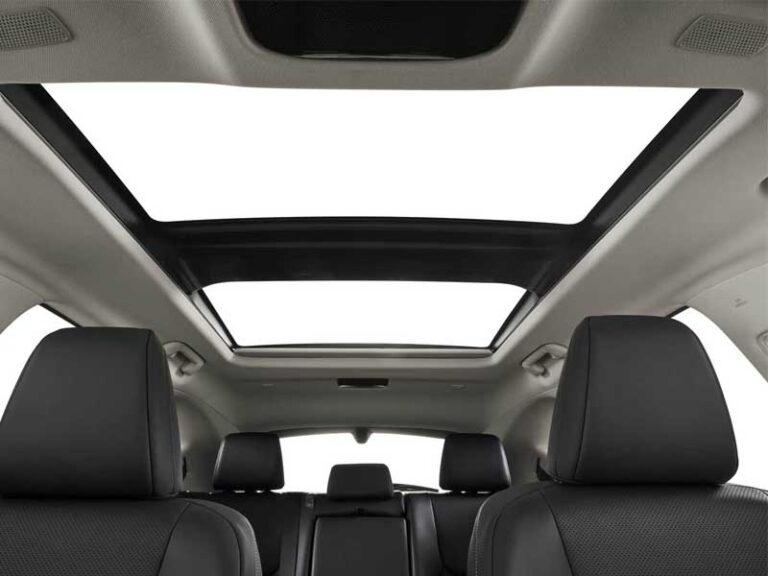
The 5 Hidden Benefits of Fixed Sunroof Glass
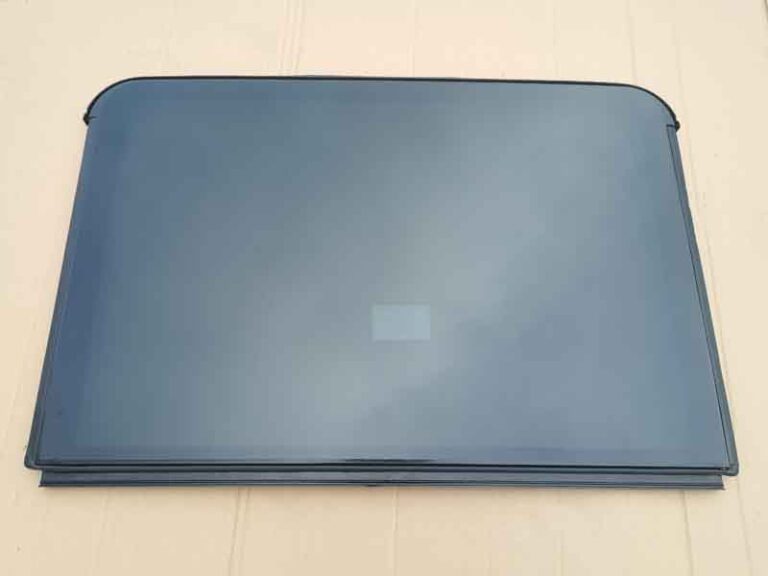
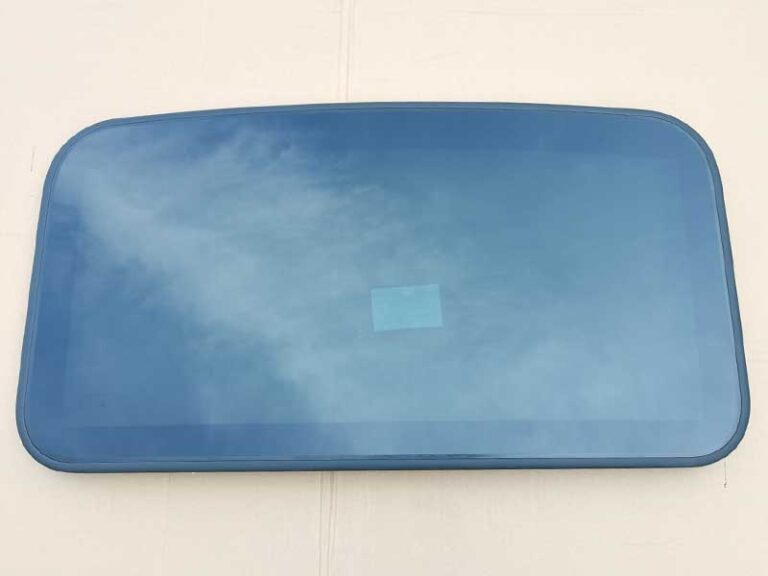
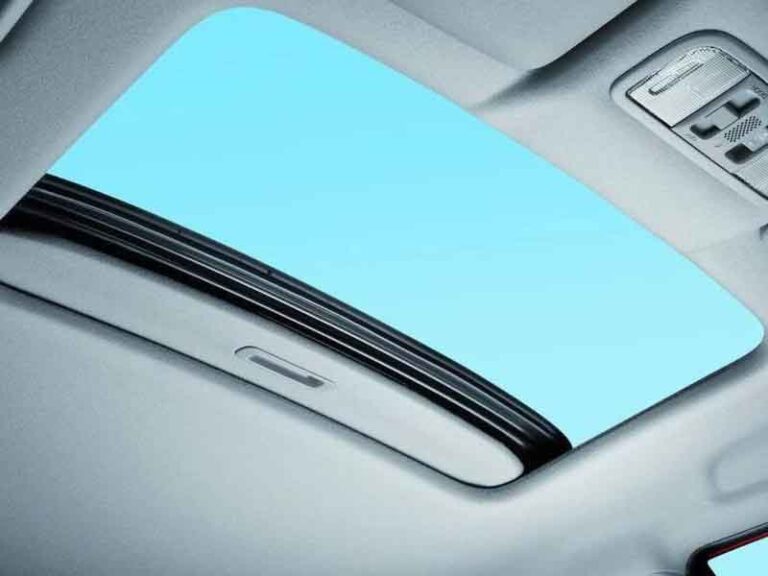
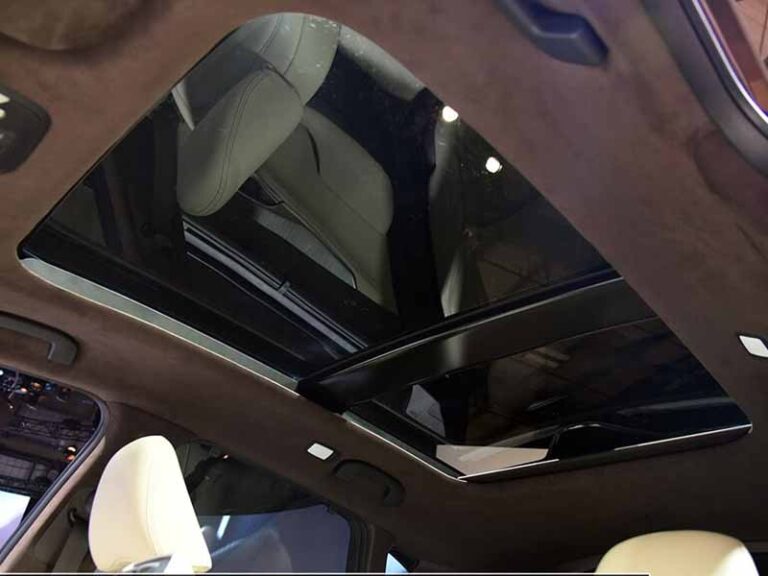
When considering upgrading or replacing the automobile sunroof, the fixed sunroof glass is becoming more and more popular.
The reason is not only its stylish and simple appearance. Here are five advantages that are often overlooked, which make it a wise investment for drivers and manufacturers.
First of all, the design of the fixed sunroof glass provides excellent structural rigidity for the vehicle.
Compared with movable sunroof panels that rely on complex track systems, hinges, and sliding mechanisms, a solid glass pane can be seamlessly and tightly integrated with the metal frame of the roof.
This integrated structure fundamentally eliminates the weak points of water leakage or air infiltration caused by joints or moving parts, and also significantly reduces the risk of mechanical wear, seizure, or failure with long-term use.
For automobile manufacturers, this simple design greatly simplifies the assembly process and reduces the number of parts and installation hours; For drivers who drive daily, this means less maintenance frequency, lower maintenance cost, and a more secure long-term use experience.
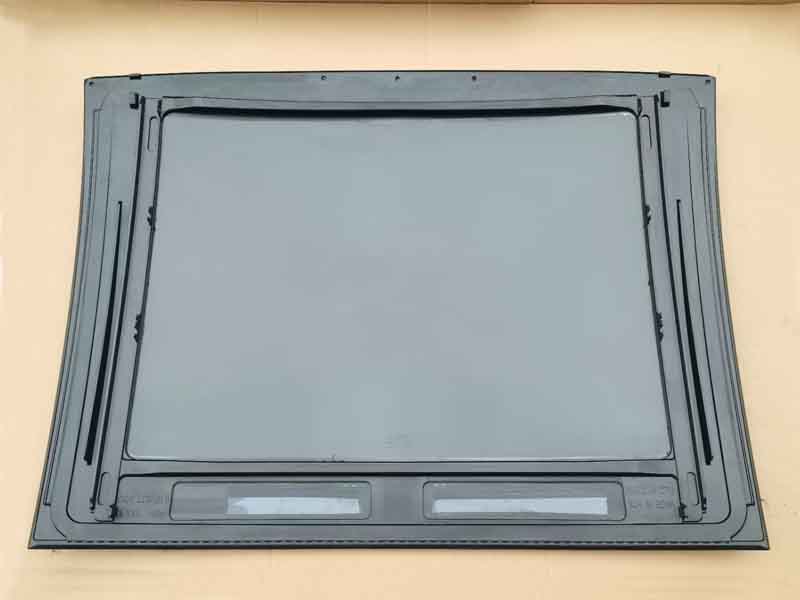
Secondly, the use of fixed sunroof glass significantly improves the sound insulation performance in the compartment.
In contrast, the adjustable sunroof depends on rubber sealing strips and many movable mechanical components.
Under the conditions of long-term exposure to sunlight and ultraviolet rays, rain erosion, and road dust intrusion, these components will gradually experience material aging and functional degradation, resulting in a significant decline in sealing effect over time.
Thirdly, the fixed glass sunroof is usually made of multi-layer composite laminated materials, which form a more compact, uniform acoustic barrier and effectively block wind noise generated while driving on the expressway, as well as interference noise from surrounding traffic, construction sites, and other external environments.
Feedback from many actual users shows that after replacing the original openable sunroof with a fixed panel, the noise level in the cockpit has dropped significantly, and the overall driving experience has become quieter and more comfortable.
Fourth, fixing the sunroof glass can significantly improve the energy efficiency of vehicles. Usually, there are tiny gaps in the frame edge of the movable sunroof, which allow hot air from outside to penetrate into the interior of the carriage in hot summers, but may cause the heated air in the carriage to escape in cold winters.
In contrast, the use of fixed panels, especially those equipped with ultraviolet barrier coatings, can reflect the radiant energy from the sun more efficiently, thus effectively reducing the temperature rise in the car and further reducing the operating load that the automobile air conditioning system needs to bear in the process of cooling or heating.
Over long-term use, this optimization effect may accumulate into a slight but persistent fuel-economy improvement, bringing practical and considerable fuel-saving benefits to car owners.
In terms of safety performance, it has brought remarkable advantages and improvements. Because the sliding mechanism is completely abandoned in the design, there is no exposed track, and no movable parts pose a potential risk of injury to users in the event of a collision or accidental impact, which makes daily use more secure and reliable.

In addition, the fixed glass structure is usually made of a thicker and stronger glass material than the adjustable panel. This design not only enhances the overall impact resistance but is also more resistant to falling and less prone to cracking, and it can maintain the integrity of the structure even when it is accidentally dropped or squeezed by external forces.
In contrast, in order to meet the requirements of frequent movement and flexible adjustment, adjustable panels often need to use lighter materials to reduce the overall weight, which sacrifices their own firmness and durability to some extent.
Therefore, from the perspective of safety, the fixed glass scheme, with its stable structure, thicker material, and stronger damage resistance, provides users with a higher level of protection and more lasting protection, which is also an important reason why it has become a better choice in terms of safety.
Finally, the fixed sunroof glass has a longer service life. Because there is no potential failure risk of mechanical parts such as motors, cables, or hinges, the life of the panel itself can be comparable to that of the vehicle body structure.
To keep it always in an ideal working condition, it is usually only necessary to carry out regular cleaning and maintenance and occasionally check the sealing rubber strip, which undoubtedly makes the fixed sunroof glass an ideal solution for low maintenance in the eyes of drivers who have a busy schedule and have no time to take care of complicated maintenance.
FAQ
Q: What is the core difference between fixed sunroof glass and an openable sunroof?
A: The most fundamental difference between them lies in the existence of mechanical structure. The fixed sunroof glass has no moving parts (such as a sliding rail, driving motor, sealing strip, etc.) and exists only as a static lighting structure; However, the openable sunroof relies on a complex mechanical transmission system to realize the opening and closing function, and its structural complexity is much higher than the former.
Q: What are the safety advantages of fixed sunroof glass compared with an openable sunroof?
A: First of all, the fixed sunroof glass usually uses high-strength tempered glass with higher thickness, which has better impact resistance; Secondly, due to the lack of movable joints and mechanical components, there is no risk of sealing failure or glass falling off due to component wear and failure; In addition, the fixed structure can provide more stable roof support force in vehicle rollover accidents, and reduce the extrusion of structural deformation on the passenger compartment.
Q: What daily maintenance should I pay attention to when using the fixed sunroof glass?
A: Because there are no moving parts, the maintenance requirements are extremely simple. It mainly includes: regularly cleaning the glass surface with a neutral detergent (avoiding the use of corrosive solvents); checking whether there is aging and cracking in the sealing strip of the frame every quarter, and applying a special protective agent when necessary; avoiding placing sharp objects under the sunroof for a long time to prevent scratching the inside of the glass when bumping.