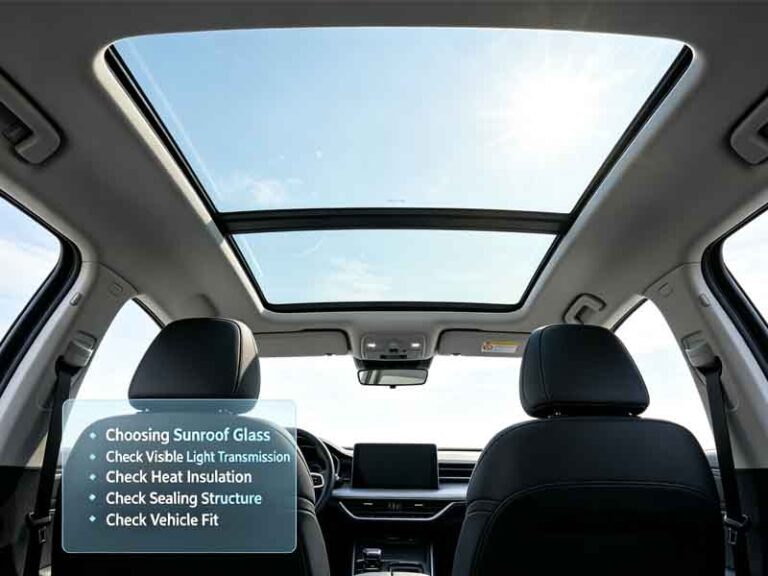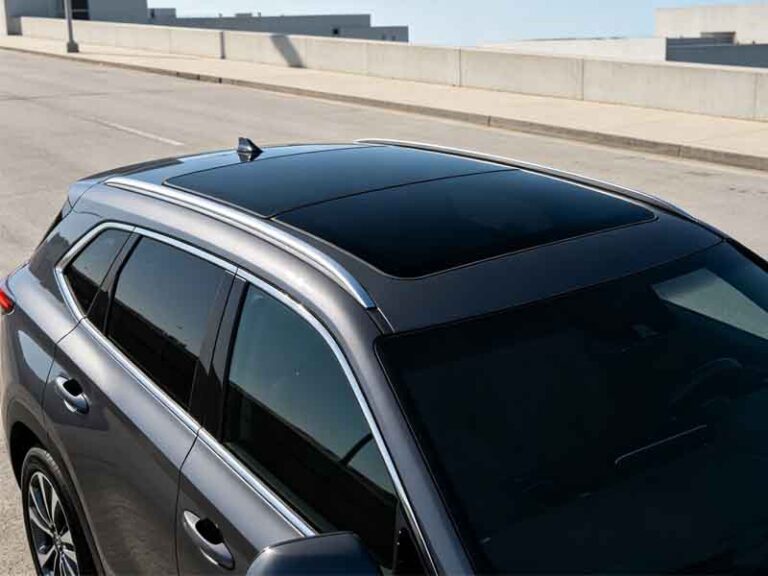
Panoramic Sunroof: How to Repair and Prevent
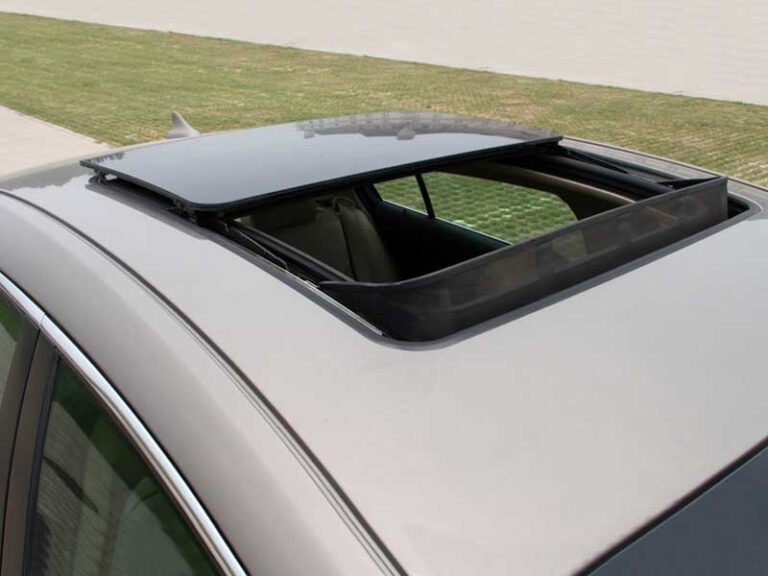
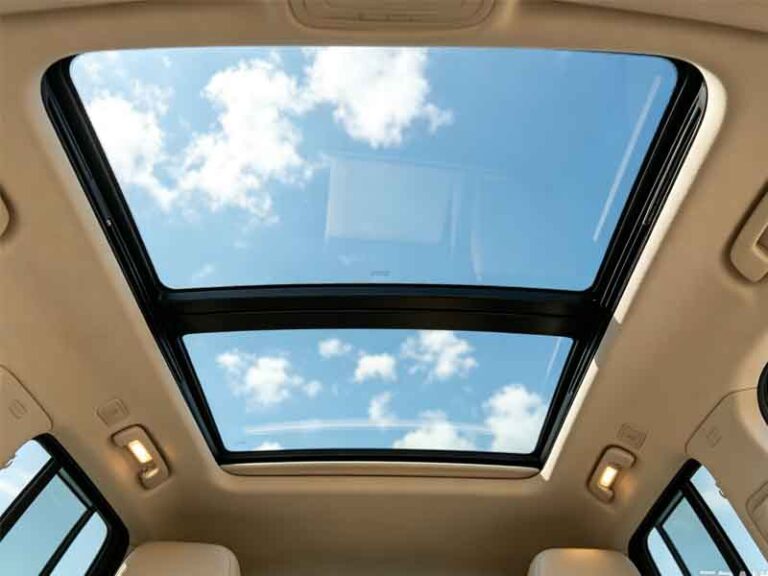
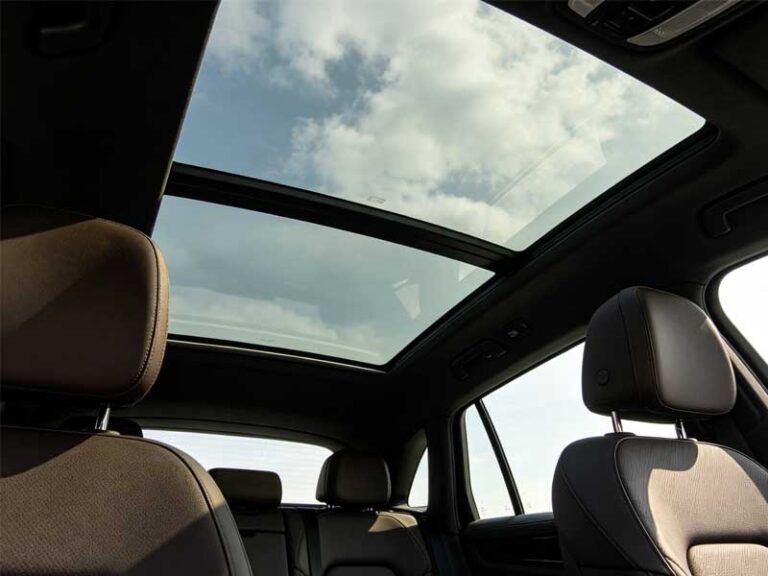
Panoramic sunroof, as the mainstream configuration of modern cars, with its large-area glass design, brings transparent vision and a bright interior environment for drivers and passengers, especially in long-distance travel or urban commuting, which can effectively alleviate the sense of oppression in a closed space and improve the overall ride comfort. However, due to its precise structure and long-term exposure, it is prone to common faults such as abnormal sound, water leakage, and stuck opening after being used for a period of time.
These problems will not only produce annoying noise during driving, but also leak rainwater on rainy days, leading to serious consequences such as mildew in the car carpet and short circuit of electronic components. Therefore, it is of great significance to systematically master the troubleshooting methods, repair skills, and daily maintenance points of panoramic sunroofs for maintaining the good condition of vehicles and prolonging the service life of sunroofs.
Common fault repair methods
sunroof leaks
Water leakage is the most common fault of panoramic sunroof, which is mostly caused by blocked drainage channels.
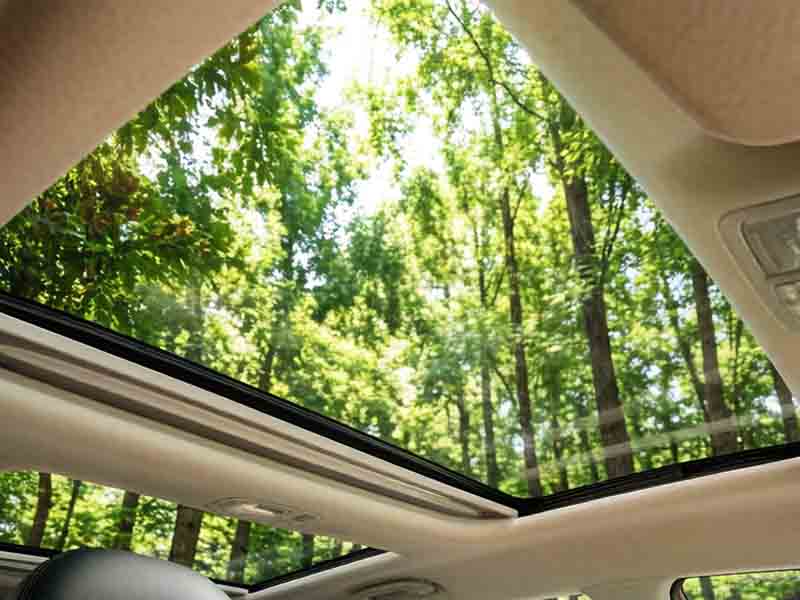
The specific repair steps are as follows: first, fully open the sunroof to the maximum position, and carefully clean the sliding rail edges and corner gaps around the sunroof with a soft brush and a vacuum cleaner; If the drain rubber is found to be hardened, cracked or deformed due to long-term exposure, the aging part can be carefully cut off with scissors, or the problem can be completely solved by directly replacing the original drain rubber kit of the adapted model.
Abnormal sound of sunroof
Abnormal sound of the sunroof during driving is usually caused by three reasons: one is the lack of lubrication of the slide rail, the other is the small sand and gravel stuck in the track, and the third is the loose screw of the fixed part.
When handling, the following procedures should be followed: first, close the sunroof, wipe the surface of the slide rail with a clean wet towel, then dry it with a dry cloth, and then focus on cleaning the groove on the inner side of the track. You can use cotton swabs to dip alcohol into the gap to remove oil and dust; If the abnormal sound still exists after cleaning and lubrication, it is necessary to check the fixing screws connecting the sunroof frame and the vehicle body, and retighten them according to the torque value specified in the vehicle maintenance manual. Finally, the sunroof control button is used for multiple complete opening/closing cycles to allow the grease to be fully distributed, and at the same time, the contact gap between the sealing strip and the glass is observed. If necessary, the abnormal sound can be completely eliminated by fine-tuning the sealing gap calibrated by the sunroof position sensor.
The sunroof can’t be opened and closed.
When the sunroof is obviously stuck in the process of opening or closing, or even can’t move at all, it needs to be checked in the order of “mechanical failure → circuit failure”: firstly, check whether the sunroof slide rail is blocked by large foreign objects such as coins and branches, and use a flashlight to illuminate the inside of the track for careful observation. When foreign objects are found, carefully take them out with tweezers or special hooks to avoid scratching the glass or adhesive tape. After cleaning, apply grease and manually push the sunroof slider to test the sliding resistance.
If the mechanical part is normal but the motor is unable to run, check the fuse in the vehicle fuse box, and observe whether the metal wire is blown after it is pulled out. If it is blown, replace it with a new fuse of the same specification.
If the fuse is intact, it is necessary to further check whether the sunroof motor plug is loose or oxidized. You can disconnect the plug and polish the contacts with sandpaper and reconnect it. If there is still no response, it may be that the motor carbon brush is worn or the control module is faulty. At this time, it is recommended to read the fault code with a diagnostic instrument in a professional 4S shop or repair shop, and replace the original motor assembly or control module after confirming the faulty parts to avoid secondary damage caused by self-disassembly.
Daily fault prevention
In order to fundamentally reduce the failure of panoramic sunroofs, a scientific daily maintenance system is very critical, and it is suggested that a maintenance mechanism be established.
The first is road protection. When driving on unpaved roads or bumpy roads, try to avoid completely opening the sunroof and keep it partially open or closed, so as to reduce the impact of vehicle body vibration on the sunroof bracket and guide rail, and reduce the risk of structural dislocation, component fatigue, and wear.
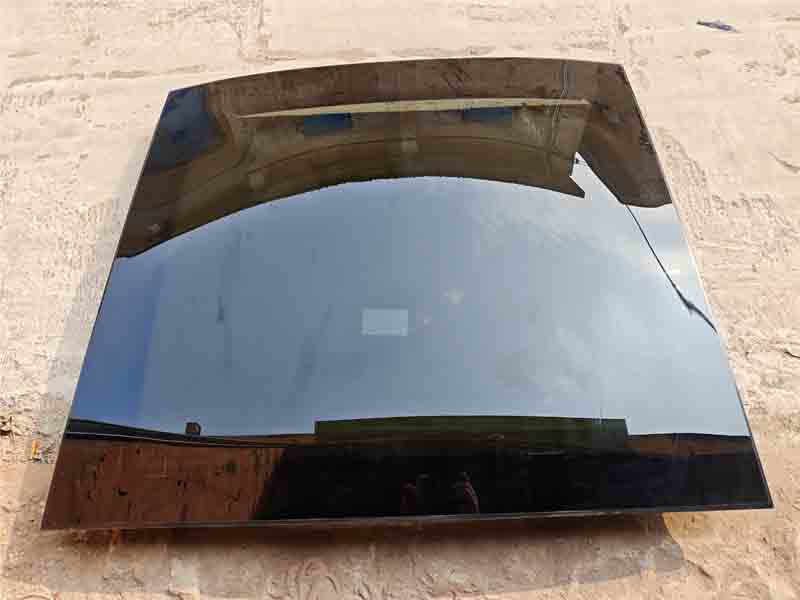
The second is regular inspection.
Check whether the sealing strip has cracks and aging phenomena, and apply rubber protective agent in time when problems are found.
The third is seasonal protection.
Avoid opening the sunroof for a long time in direct sunlight when it is hot in summer to prevent the rubber strip from accelerating aging. When the temperature is low in winter, if the sunroof is found to be frozen by snow and ice, do not press the switch forcibly. Start the vehicle first, adjust it to the internal circulation mode, and turn on the defogging function of the front windshield. At the same time, adjust the air conditioning temperature to an appropriate temperature, let the warm air naturally melt the ice layer, and then operate it after the glass and the rubber strip are completely separated, so as to avoid motor overload and burning or track deformation caused by forced opening. In addition, it is recommended to regularly go to professional institutions for a comprehensive inspection of the sunroof system, including the unobstructed drainage system, motor performance, sealing performance, and other items to prevent problems before they occur.
FAQ
Q: Does the sunroof glass have slight scratches and need to be replaced immediately?
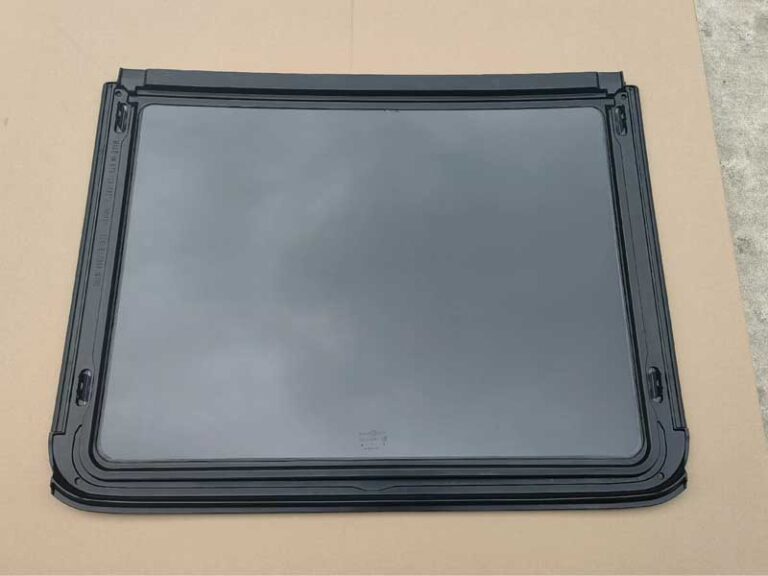
A: Slight scratches (without damaging 1/3 of the glass thickness) do not need to be replaced, but can be repaired by low-speed polishing with special glass polishing agent and wool wheel; If the scratches are deep or cracks appear, the glass should be replaced in time to avoid the influence of crack propagation on safety after stress.
Q: Can ordinary household lubricating oil be used instead of special grease for sunroof?
A: It is not recommended to use ordinary lubricating oil because its viscosity and temperature resistance are not suitable for sunroof slide rails, and it is easy to absorb dust to form sludge or lose it at high temperatures. It is recommended to choose special silicon-based lubricating grease for automobiles, which can effectively reduce the wear of parts and prolong the lubrication period.
Q: What is the reason why the sunroof suddenly closes automatically and cannot be kept open?
A: This is usually caused by the trigger of the anti-pinch function. It may be that there is a foreign body stuck in the slide rail, the sealing rubber strip is deformed, or the position sensor is abnormal. First, clean the foreign body on the slide rail and check the state of the rubber strip. If the problem remains, you need to go to a professional store to calibrate the sensor or check the control module.