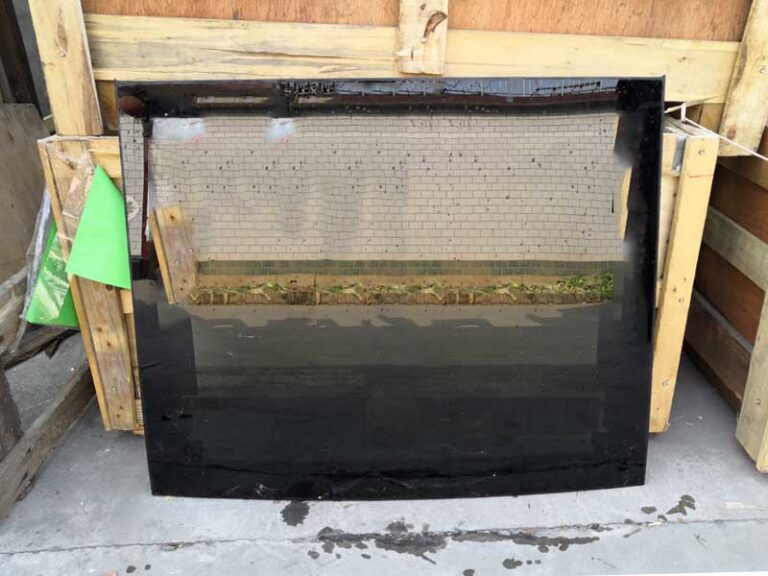
A Complete OEM vs Aftermarket Sunroof Glass Price Comparison Guide
When replacing the sunroof glass, many car owners first struggle to choose OEM original parts or aftermarket accessory parts. In addition to adaptability and quality differences, price is often the core factor affecting decision-making.
First of all, let’s clarify the basic definitions of the two. OEM sunroof glass refers to the accessories produced by authorized suppliers of the original automobile factory, supplied to the main engine factory for loading, and circulated to the after-sales market through the original factory channels. Its specifications, parameters and sealing performance are exactly the same as those of the sunroof glass when the original automobile leaves the factory. The sunroof glass in the aftermarket is the adaptive glass produced by a third-party regular brand, and the price gap of different types of aftermarket parts is also relatively large.
OEM sunroof glass: double guarantee of quality and adaptation
OEM (Original Equipment Manufacturer) parts refer to the original supporting parts produced by suppliers designated by automobile manufacturers, which belong to the same specifications and quality as the sunroof glass assembled when the vehicle leaves the factory.
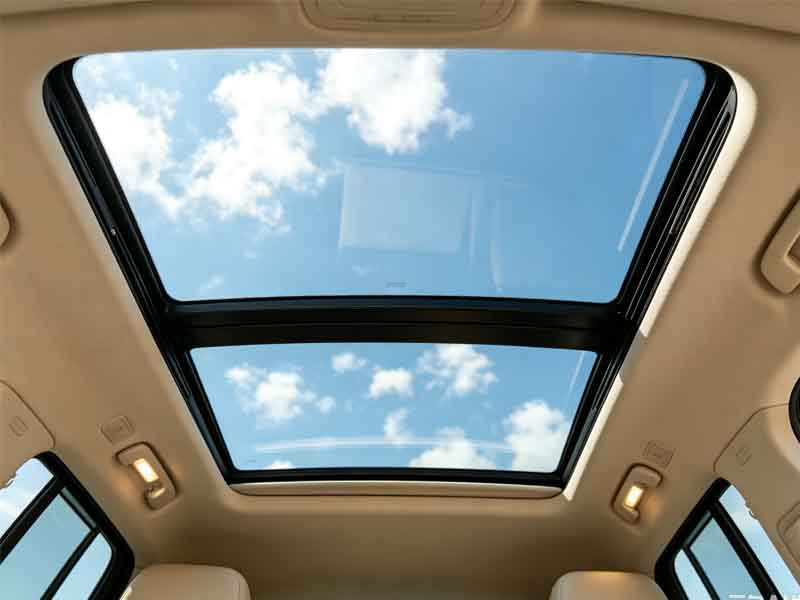
Strict quality standards: OEM glass follows the strict specifications of automobile manufacturers from raw material screening to production technology, and can keep the same as the original car in terms of light transmittance, impact resistance and thermal insulation performance, ensuring driving safety and riding experience.
Perfect adaptability: each OEM sunroof glass is designed for a specific vehicle type, and the size, radian and mounting hole position are accurately matched. After replacement, there will be no adaptation problems such as water leakage and abnormal sound, and no additional adjustment is needed.
Perfect after-sales service: choosing OEM parts can usually enjoy the manufacturer’s warranty service. If there are quality problems in the future, you can defend your rights through formal channels without worrying about after-sales disputes.
Brand premium: OEM parts bear the reputation and reputation of automobile brands, and this brand value will also be reflected in the price, which will bring the psychological security of “original factory guarantee” to the owners.
Aftermarket sunroof glass: a cost-effective choice
Simplified production standards: Some sub-factory parts will appropriately lower the grade of raw materials or simplify the production process without affecting their core functions, thus reducing costs and entering the market at a lower price.
Flexible product line: Sub-factory manufacturers tend to cover more models, reduce the cost of a single piece through large-scale production, and at the same time launch different grades of products according to different needs, providing car owners with more price range choices.
Brand-free premium: the accessory parts do not have to bear the promotion and maintenance costs of the automobile brand, and the pricing is closer to the production cost of the product itself, so that the owner can replace the sunroof glass at a lower cost.
Channel advantage: the sales channels of sub-factory parts are more flexible. In addition to offline repair shops, online e-commerce platforms also have a large number of goods, and the circulation cost is lower, further lowering the terminal price.
Price comparison of sunroof glass: invisible cost is more critical
Comparing the price of sunroof glass between OEM and sub-factory, we should not only look at the single expenditure at the time of replacement, but also consider the hidden costs that may occur in the future:
Adaptation risk cost: There are slight deviations between the size and radian of some auxiliary factory parts and the original car. After replacement, there may be problems such as water leakage and abnormal sound in the sunroof, which requires secondary maintenance, which increases the total cost.
Potential safety hazard cost: the impact resistance of the glass of the low-priced auxiliary factory may not meet the standard. If it is hit by gravel during high-speed driving, it may break in a large area, threatening the safety of people inside the car, and the poor thermal insulation and sound insulation performance will also affect the ride comfort.
Cost of after-sales rights protection: Many sub-factory parts do not have a perfect quality assurance system. Once there is a quality problem, the merchant may shirk the responsibility, and the owner needs to spend a lot of time and energy to protect rights, or even can’t get an effective solution.
Guide to the purchase of sunroof glass: choose according to demand and balance price and value
Facing the price difference between the original factory and the auxiliary factory, the owner should make a reasonable choice according to his own needs:
Pursuing quality and long-term guarantee: If the vehicle is still within the warranty period, or has high requirements for driving safety and adaptability, it is recommended to choose the original parts. Although the price is high, it can avoid subsequent hidden dangers and ensure the original state of the vehicle.
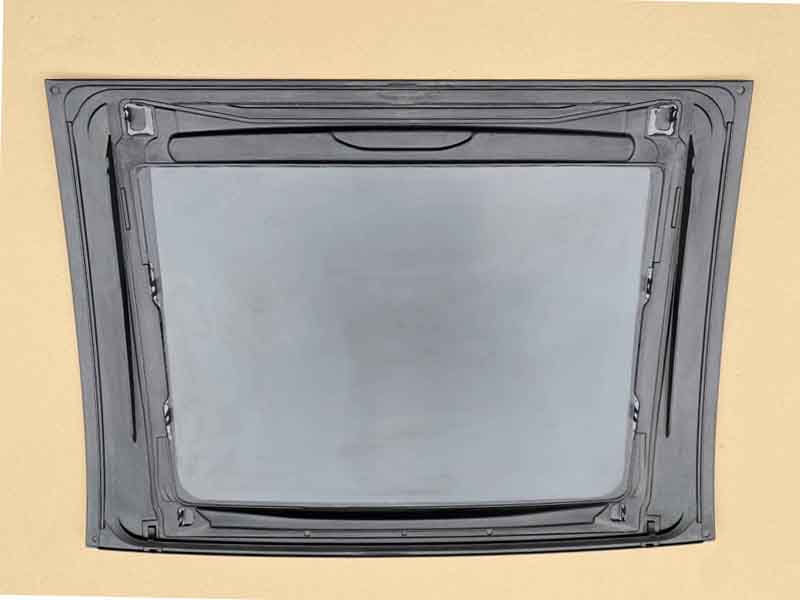
Pay attention to the short-term cost performance: If the vehicle has been used for many years, the budget is limited, and it mainly travels on urban roads, you can choose the sub-factory parts with good reputation, but you should buy them through formal channels, and give priority to the products with brand awareness and quality assurance services.
Pay attention to the installation process: No matter what kind of glass you choose, you should find a professional repair shop to replace it. The installation process directly affects the use effect, and professional technicians can ensure that the glass is installed in place and reduce subsequent problems.
FAQ
Q: Do I have to choose the original parts to replace the sunroof glass?
A: It is not necessary. It can be selected according to the vehicle’s situation and its own needs. If the vehicle is still in the warranty period or has high requirements on quality and safety, it is safer to choose the original parts. If the car is older and the budget is limited, the use demand can also be met by selecting the deputy factory parts with good reputation through formal channels.
Q: Can the sunroof glass of the auxiliary factory be used?
A: The sunroof glass of the auxiliary factory with regular compliance can be used normally. As long as qualified products with warranty are purchased through formal channels and installed in professional stores, it will basically not affect daily use.
Q: What should I pay attention to after replacing the sunroof glass?
A: Don’t wash the car within three days after the replacement, and try to avoid high-speed driving and bumpy road sections. Don’t lift the sunroof frequently to avoid glass displacement. If there is abnormal sound or water leakage, you should go back to the installation store to check and adjust it in time.