5 Key Factors Affecting Panoramic Sunroof Glass Cost
1. Panoramic sunroof glass material
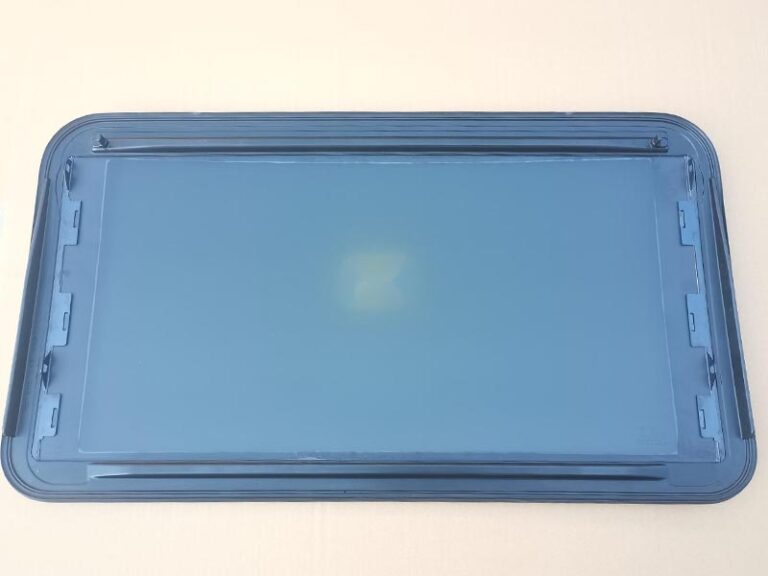
As the core foundation of panoramic sunroof glass, the material type is the most fundamental factor to determine the final cost. At present, the mainstream materials on the market are single-layer tempered glass, laminated tempered glass, and low-iron coated glass with additional functional layers.
Different materials have great differences in raw material purchasing cost and processing difficulty, which directly pulls the cost gap. The cost of laminated glass with higher safety performance and better noise reduction effect is obviously higher than that of ordinary single-layer tempered glass, while the cost of functional glass with anti-ultraviolet, heat insulation, and anti-fog coating will further increase with the increase of the coating process.
2. sunroof size and customization requirements
There is a very close relationship between the specifications and the manufacturing cost of panoramic sunroof: generally speaking, the larger the area covered by the sunroof, the more stringent the quality requirements for manufacturing raw materials, and the control standards for the yield of glass and other materials in the production process are also improved, which directly leads to an increase in the cost of basic materials.
In addition, the larger sunroof is also facing higher technical challenges in the processing links such as stamping, cutting, strengthening and sealing, and the process complexity and operation accuracy are required to be improved simultaneously, which leads to a significant increase in the processing difficulty in the production process, and the accompanying defective product rate and scrap rate are also correspondingly increased, thus further promoting the overall manufacturing cost.
On the other hand, if it involves providing non-standardized custom-sized sunroofs for specific niche vehicles, high-performance vehicles, or personalized modified vehicles, its cost will be much higher than that of standard-sized products produced by large-scale assembly lines.
The reason is that this kind of customized product can’t effectively share the fixed costs generated by mold development, equipment debugging, and process optimization by relying on standardized production lines like mass production parts.
Every non-standard customization needs to independently design and manufacture a brand-new special mold according to the specific size, and re-adjust and even write a complete set of processing and assembly procedures for this unique specification.
These exclusive upfront investment and process adjustment costs cannot be diluted by subsequent mass production, so they will be reflected in the final cost in the form of a high unit price.
3. Processing technology of panoramic sunroof
The complexity of processing technology has a crucial impact on the production cost of products. Compared with the ordinary panoramic sunroof glass with a simple plane, the curved glass that needs to fit the smooth contour curve of the vehicle must rely on high-precision hot-bending processing technology in its manufacturing process.
This special process requires not only more precise control but also expensive special molding equipment, so the overall investment cost in equipment procurement and process flow will be significantly increased.
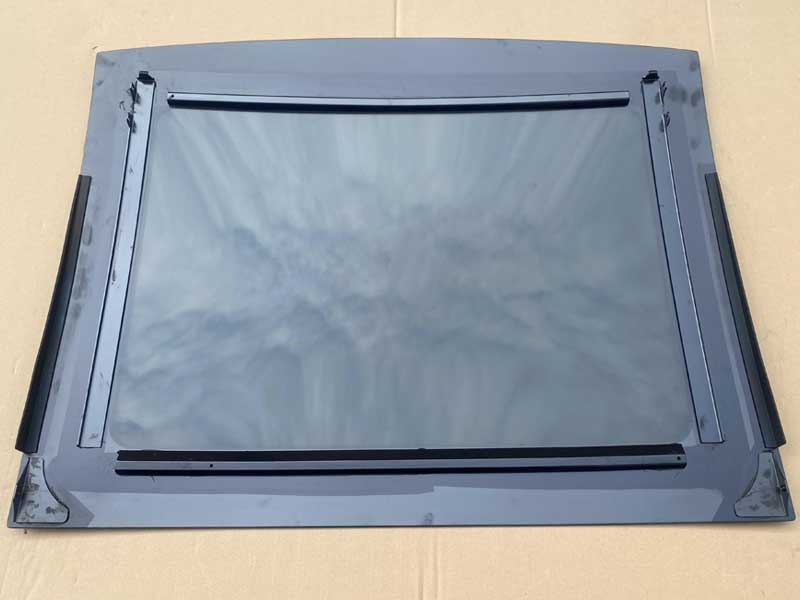
At the same time, after the main body is formed, in order to ensure the perfect function and long-term reliability of the sunroof, a series of additional fine processes need to be implemented, such as tightly sealing the glass edge, reserving accurate perforation positions for various sensors, and opening special diversion openings for the sunroof drainage system.
These additional processing steps will be further superimposed on the basic manufacturing process, thus correspondingly pushing up the processing and manufacturing costs of the whole product.
4. Structure type and opening mode of sunroof
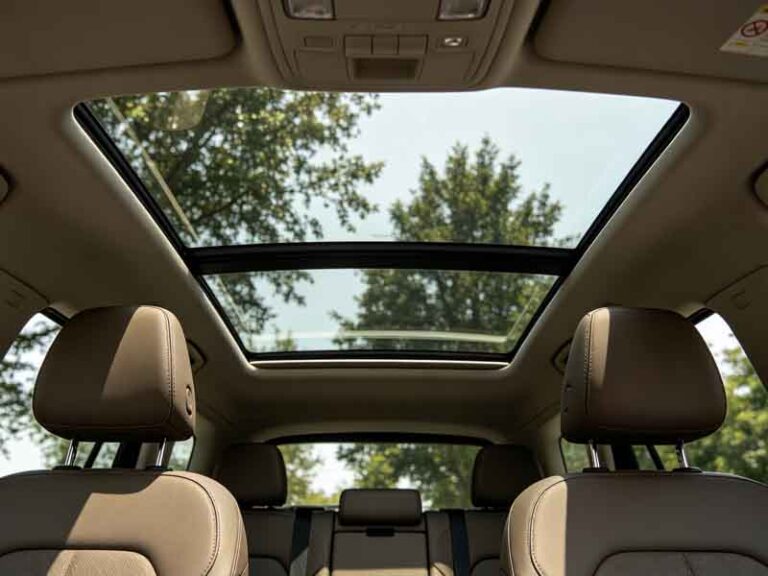
The structural type of panoramic sunroof directly affects the cost of glass, because different structures mean different supporting components and installation complexity.
The fixed panoramic canopy is the simplest structure-the whole glass is fixed on the roof and cannot be opened. Because there is no opening and closing mechanism, guide rail, motor and drainage system, its structure is the simplest and the cost of glass itself is the lowest.
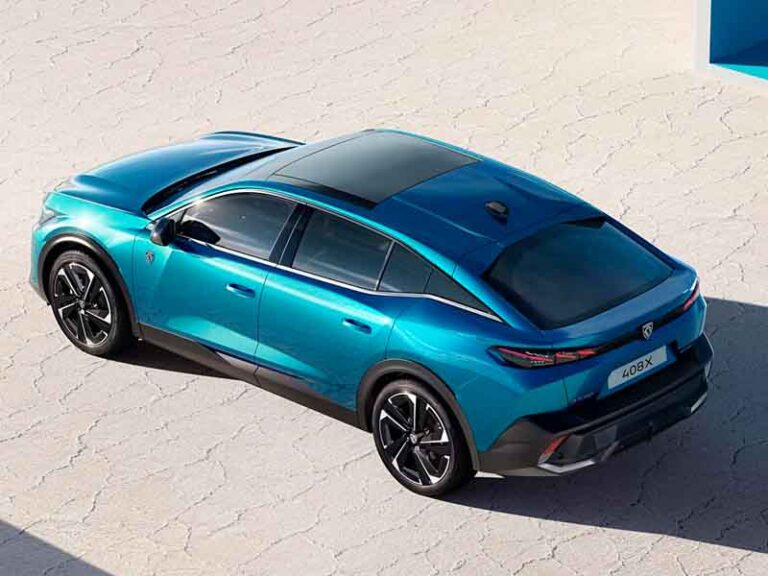
This is one of the reasons why more and more new energy vehicles adopt panoramic canopy in recent years-it can not only provide a transparent visual experience, but also control costs.
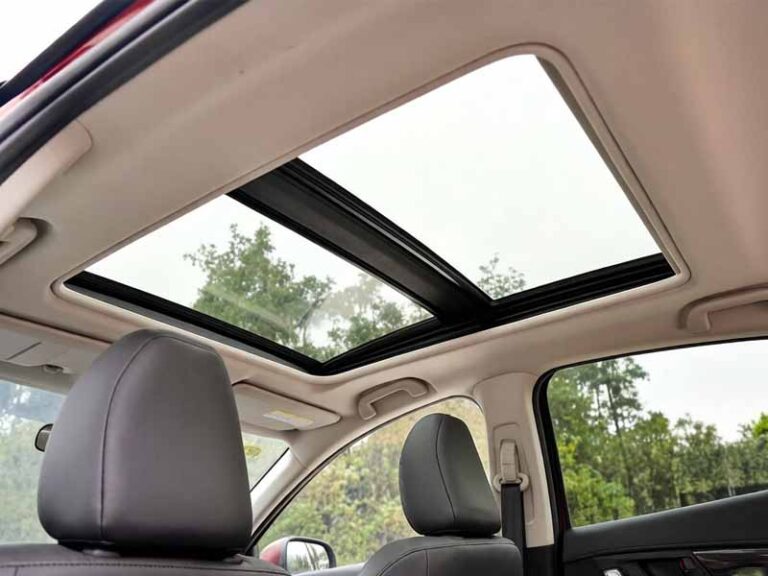
The sectional panoramic sunroof is much more complicated. Take the front and rear two-stage type as an example, the front glass can usually be opened electrically, and the rear glass can be fixed.
The openable part needs to be equipped with a precise guide rail mechanism, driving motor, hinge assembly, waterproof sealing strip, and drainage pipe. The cost of these mechanical and electronic components should not be underestimated.
More importantly, the openable sunroof requires extremely high dimensional tolerance and installation accuracy of the glass-the gap between the glass and the car body must be controlled within a very small range, otherwise it will lead to wind noise, water leakage, and other problems. This high precision requirement means higher manufacturing and assembly costs.
The integral open panoramic sunroof is the most complicated structure, and the whole large-area glass needs to slide backwards or tilt upwards, which puts forward higher requirements for the strength, motor power, and sealing performance of the guide rail system.
The glass of this kind of sunroof itself often needs a thicker sandwich structure to ensure the structural rigidity, and the cost is correspondingly the highest.
5. Safety certification and compliance standards for automobile sunroofs
Panoramic sunroof glass is an important safety component in automobile structure, and its design and production should strictly follow the relevant mandatory safety certification standards. In order to achieve a higher level of safety and environmental protection requirements, manufacturers must introduce more sophisticated and rigorous testing links in the production process and complete the corresponding high-standard certification process.
These additional quality control and compliance steps require more technology, time, and resources, which leads to a significantly higher production cost than those products that only meet the most basic access standards of the industry.
FAQ
Q: Where is the curved panoramic sunroof more expensive than the universal sunroof?
A: Curved sunroof is more difficult to form, which requires more precise molds and strict temperature control technology. The scrap rate is higher during processing, and the requirements for installation accuracy are more stringent. These factors jointly push up its cost.
Q: Will the material difference of panoramic sunroof glass affect daily use?
A: yes. Different materials have obvious differences in sound insulation, heat insulation and safety performance. For example, laminated glass has better sound insulation effect than single-layer tempered glass, and specially coated glass can effectively block ultraviolet rays. These differences will directly affect the driving experience.
Q: What additional costs will the customized panoramic sunroof add?
A: Customizing special colors, etching patterns or installing intelligent control modules and other personalized configurations requires separate mold opening and customized production, and may also involve additional R&D and debugging links, which will bring about a substantial increase in costs.