
How Does a Car Sunroof Work? (Simple Guide)
The automobile sunroof works through a simple and ingenious mechanical or electrical system. Can systematically provide customers with lighting and expand their horizons.
Core structure of the automobile sunroof

Classification of sunroofs
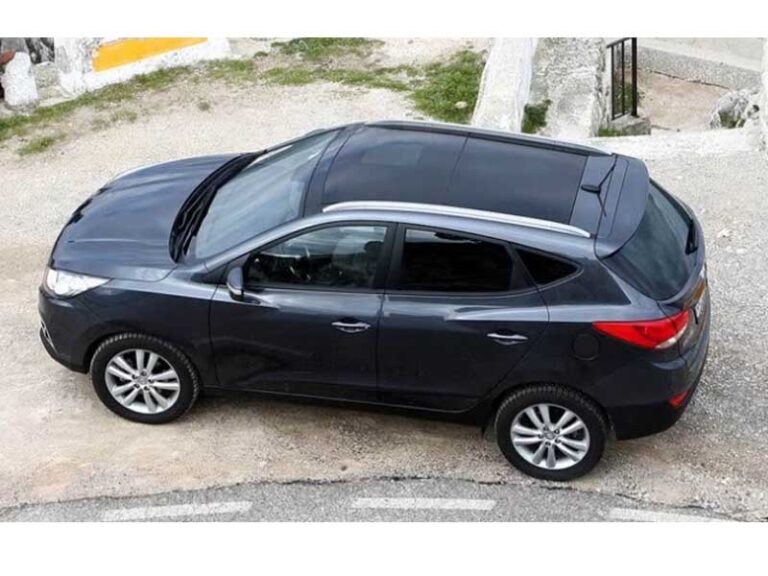
1. The sunroof with a fixed glass structure is a structure that can not move, which is usually more cost-effective, and can also increase lighting and vision for the car, meeting the basic requirements.
2. sunroof with movable glass structure
Movable sunroofs are usually divided into internal, external sliding, and panoramic sunroofs. This type of classification is diversified, and you can choose various sunroof structures according to your own needs.
Built-in type: the glass is hidden at the top of the car, which will not affect the space inside the car when it is opened. It has good concealment and will generally be applied inside the car.
External sliding type: the sunroof glass slides outward to open, which will not occupy the space inside the car, and the lighting and ventilation effect will be better.
Outward-turning type: the sunroof glass is turned over and opened to the external space as a whole. The sunroof with this structure has a wider opening range and better ventilation performance than ordinary sunroof lighting.
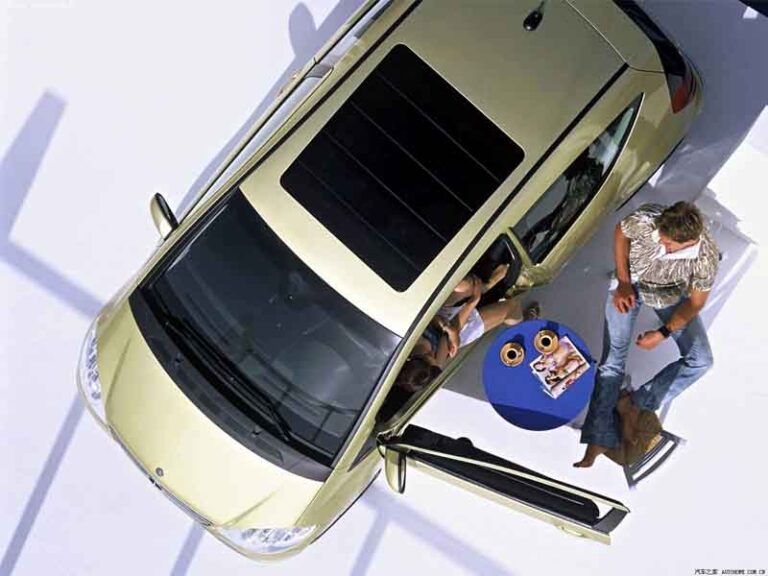
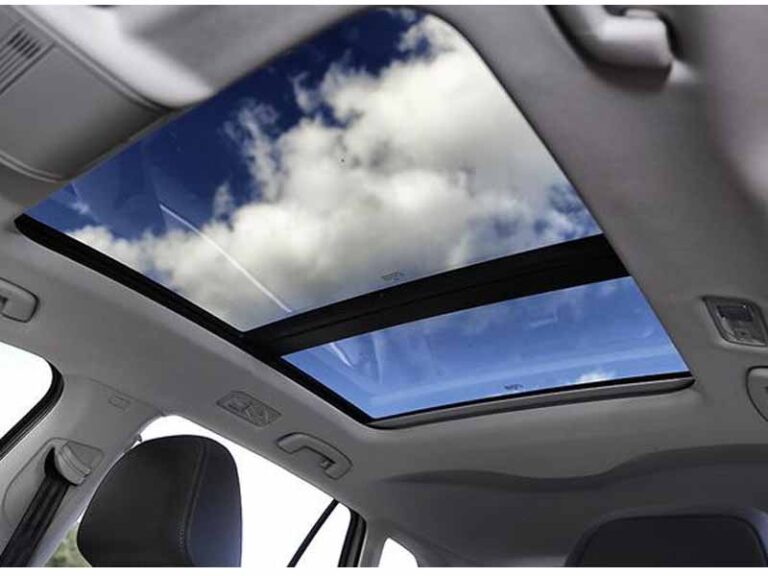
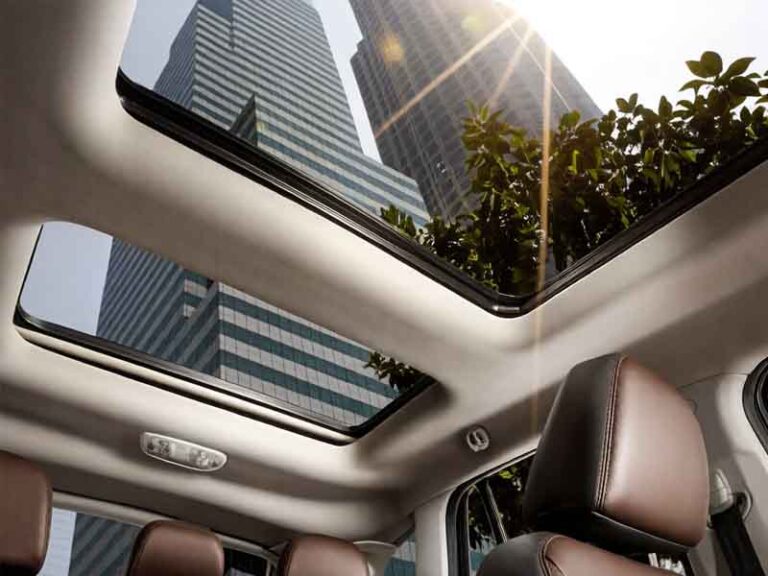
Panoramic style: usually equipped in high-end luxury cars, a whole piece of high-quality glass is used as the top sunroof, which can give passengers the greatest lighting vision and is an ideal choice for many users who pursue driving experience and a sense of space. Its design not only greatly increases the lighting area in the car, making the interior environment more transparent and bright, and creates a wide visual effect, but also enables passengers to enjoy the vast sky scene when they look up during driving, greatly improving the comfort and pleasure of riding. Some panoramic sunroofs also have the function of opening, which can further enhance the ventilation effect in the car by subsection or integral opening, so that fresh air can enter the car more smoothly and bring a more comfortable driving environment to passengers. At the same time, in order to meet different light requirements, panoramic sunroofs are generally equipped with an adjustable sunshade, and users can freely control the opening and closing degree of the sunshade according to the sunlight intensity, which not only ensures the lighting, but also effectively avoids the discomfort caused by direct glare.
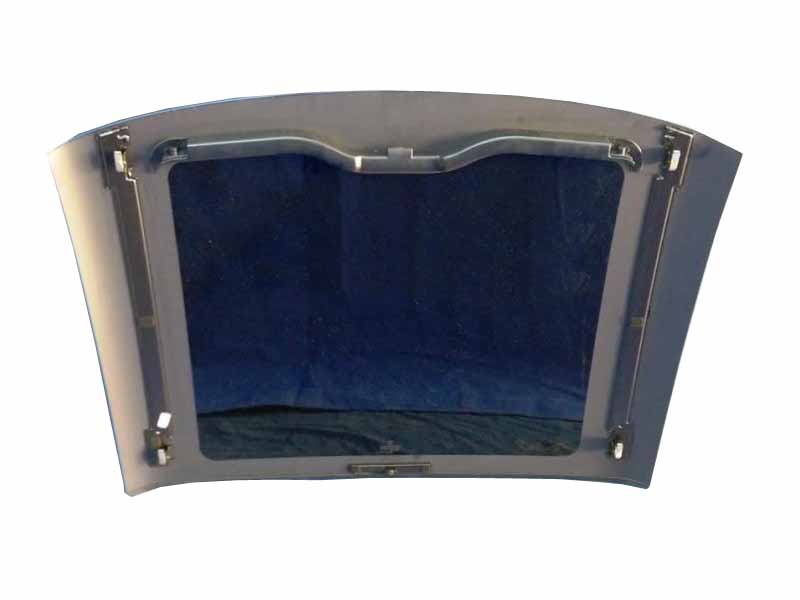
Structural assembly of the sunroof
1. Frame and slide rail
This kind of structure is made of aluminum alloy or plastic, including left and right sliding rails and front and rear beams, which can realize the sliding or overturning of glass.
2. Drive structure
Built-in type: suspended installation is adopted, and the switch of the sunroof is controlled by motor and transmission structure (gear, etc.).
Slip-out/Tilt-out: Rely on the guide rail and motor to drive the horizontal and inclined movement of the sunroof glass.
3. Sealing and drainage system
The sealing strip is arranged on the edge of the sunroof, roof, and glass of the car, which can prevent the infiltration of rain and ensure the dryness of the interior space of the car.
The drainage trough and deflector can ensure that rainwater can be drained in time and will not cause water seepage on the roof.
Common failures of the sunroof
The common faults of sunroof include: aging or damage of sealing rubber strip, which leads to rainwater infiltration into the car, accompanied by abnormal sound; Motor or transmission parts failure, manifested as switch stuck, unable to completely open or close, and even abnormal sound and vibration; The drain hole is blocked, and the accumulated water cannot be discharged in rainy days, causing internal humidity or water leakage; The glass lifting mechanism is out of order, which may cause the sunroof not to slide smoothly due to insufficient lubrication or worn parts; The failure of the control module causes the buttons to be unresponsive or abnormal in function, which affects the normal operation and adjustment of the sunroof.
Daily maintenance method of the sunroof
The habit of using the sunroof correctly
Avoid opening the sunroof on bumpy roads: Do not open the sunroof when driving on bumpy roads to prevent deformation of parts and motor damage caused by vibration.
Close the sunroof on rainy days and when washing cars: Do not open the sunroof in rainy days or when washing cars to prevent water from entering the car. After washing the car, it is necessary to dry the water around the sunroof glass, and do not directly impact the sunroof sealing ring with a high-pressure water gun.
Anti-freezing in winter: Pay attention to whether the sunroof is frozen before opening it after snowy days. When opening the sunroof, melt the ice around the glass before opening it. Forced operation will cause damage to the motor or sealing strip, and in severe cases, the whole sunroof system will be damaged.
FAQ
What is the difference between a panoramic sunroof and an ordinary sunroof?
Ordinary sunroofs are mostly single glass, which supports sliding or tilting. Panoramic sunroofs can be divided into two types. Generally, only the first half can be opened in the segmented type, and the whole glass can slide in the integrated type. Some models also support independent control in segments, and the power structure is more complicated.
What are the consequences of forcing the sunroof to open because it is frozen?
When the sunroof glass and sealing rubber strip are frozen in winter, forcibly opening them will lead to tearing of the rubber strip, burning of the motor due to overload, or deformation of the guide gear. The correct way is to start the vehicle to warm up the air, and then operate it after the ice surface melts.
What is the special function of the backward tilting mode of the sunroof?
The backward tilting mode uses the negative pressure principle to ventilate, which will not let strong wind blow directly into the car. It is suitable for opening a slot for ventilation on rainy days, or for ventilation at high speed while maintaining the quietness of the car.