How to Choose the Right Sunroof for Car Installation
Adding a sunroof to a car is a common personalized upgrade scheme to improve the driving comfort and spatial texture of the car. However, the selection of a sunroof is not determined by appearance preference alone. Unreasonable selection and installation will not only reduce the user experience, but also cause long-term hidden dangers to the structural safety and sealing performance of vehicles.
- First, give priority to vehicle type adaptability and establish basic constraints for vehicle type selection.
- Second, match the use requirements and select the corresponding sunroof type
- Third, pay attention to sealing and safety, and control core performance standards
- Fourth, implement installation and after-sales, and improve the final guarantee of the sunroof
First, give priority to vehicle type adaptability and establish basic constraints for vehicle type selection.
The first step of type selection is to clarify the constraints of the vehicle’s own conditions on the installation of a sunroof, rather than preconceivedly locking in the favorite style, which is the core premise to avoid subsequent adaptation problems.
First of all, it is necessary to check the structural parameters of the roof. There are significant differences in the roof, the clearance of the internal ceiling, and the layout of the top ribs among different models, and the size and installation position of the sunroof must match the above parameters.
If the model is a small passenger car, the overall size of the roof is limited, and the forced selection of a large-size sunroof will not only lead to position conflicts with components such as the ceiling lamp and the interior armrest, but also weaken the structural strength of the roof excessively, which will bring security risks.
Secondly, we need to pay attention to the influence of the modification scheme on the original car structure.
The compliant rear sunroof scheme should retain the structural integrity of the original vehicle to the maximum extent and avoid large-scale cutting and modification, which can not only maintain the original structural strength of the vehicle, but also reduce the impact of vehicle depreciation.
At present, the mainstream mature schemes all adopt the idea of adaptive installation and develop corresponding installation kits for different models, which can meet the upgrade requirements while retaining the original state of the vehicle to the greatest extent.
Second, match the use requirements and select the corresponding sunroof type
After confirming the scope of vehicle adaptation, you need to choose the sunroof type according to your own usage habits. At present, the mainstream sunroofs in the aftermarket can be divided into three categories, and different types correspond to different usage scenarios:
Open single sunroof
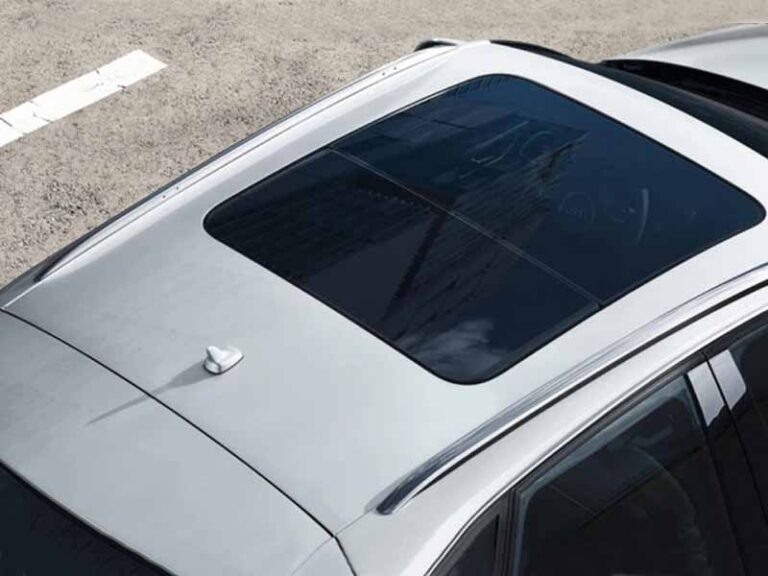
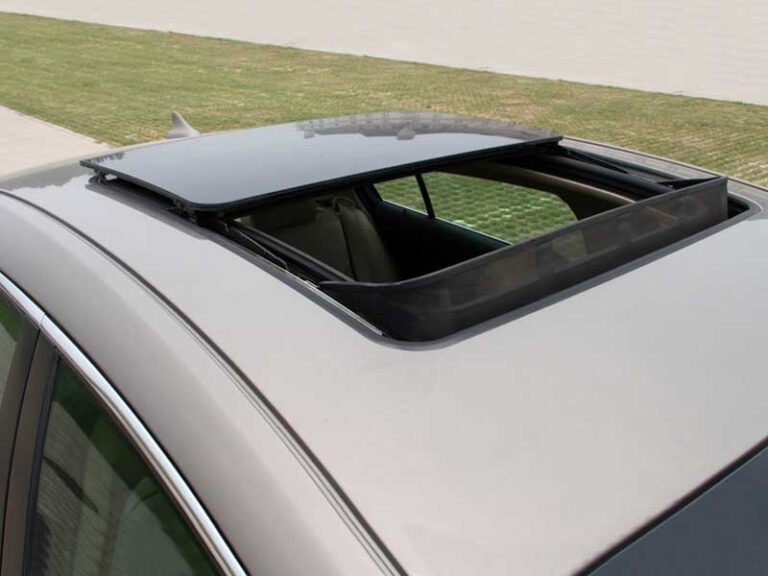
This type of sunroof is relatively small in size, supports outward lifting or semi-opening, is simple in structure, has a small in modification range, and easier to ensure sealing performance.
If only the air circulation in the car needs to be improved, the basic ventilation and lighting effects can be achieved, and there is no need for large-area ventilation. This type can fully meet the use requirements, has little impact on the roof strength, has a lower probability of water leakage, and has lower abnormal noise, which is suitable for most practical installation requirements.
Sectional panoramic sunroof
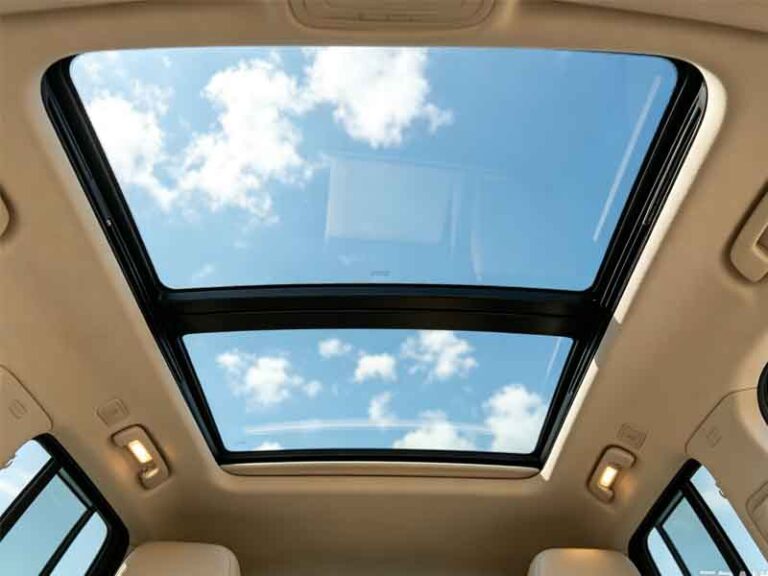
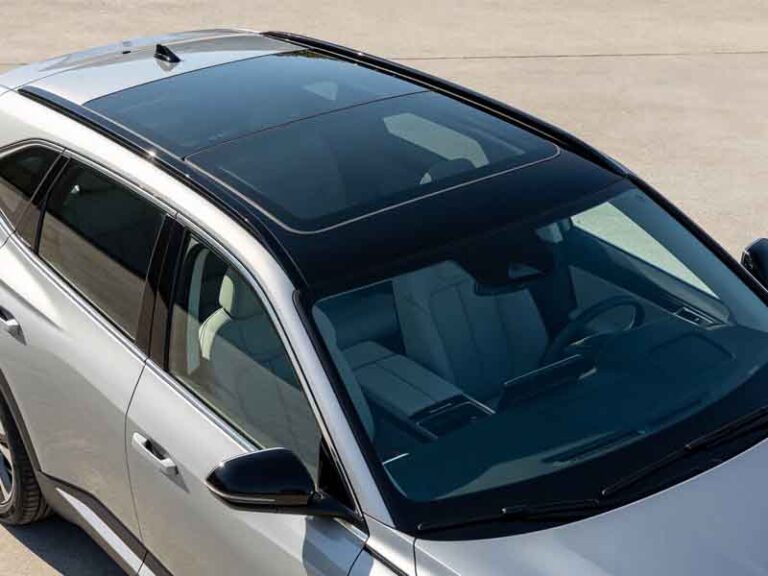
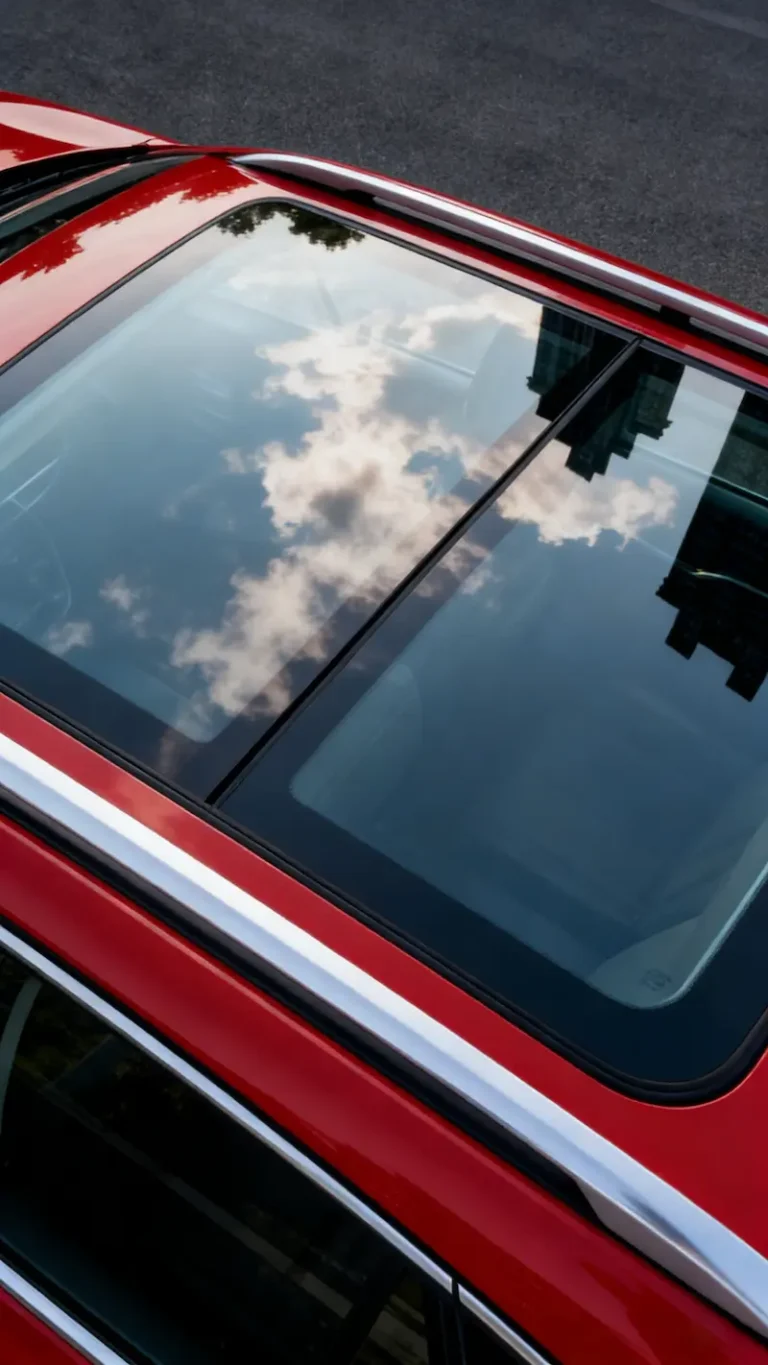
This type of sunroof has a larger size, which can significantly improve the lighting area and transparency of the carriage, and the sense of depression of the rear passengers will be significantly improved, and the experience advantages of long-distance travel and self-driving travel are outstanding.
However, this type of sunroof requires higher installation technology, and it needs a professional team to complete the positioning and sealing treatment to ensure the stability of long-term use.
Fixed panoramic sunroof
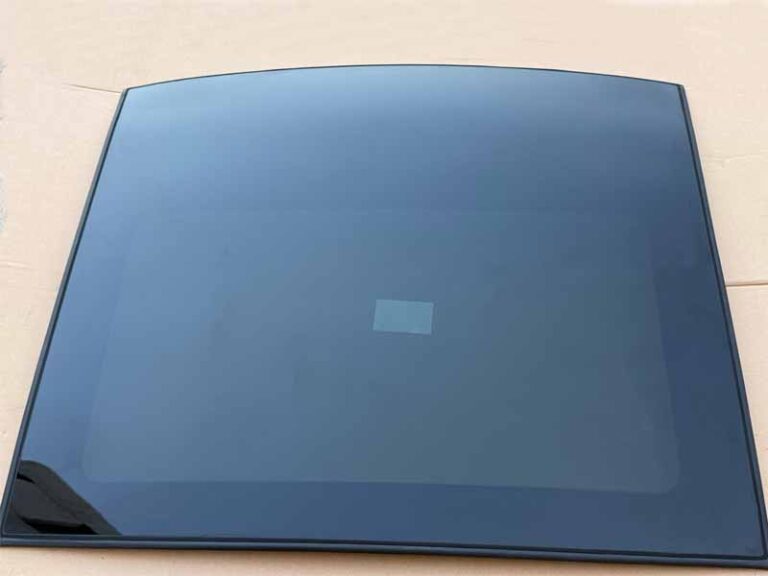
This type of sunroof can’t be opened and only provides a lighting function. Its advantages are a stable structure, no risk of water leakage, and lower modification cost. It is suitable for car owners who only need to improve the lighting effect in the car and have no ventilation requirements.
The core logic of model selection is demand priority, rather than blindly pursuing a large size. Choosing the corresponding type according to its actual use frequency and core requirements can provide the best cost performance and experience.
Third, pay attention to sealing and safety, and control core performance standards
Sealing performance and structural safety are the core implicit indicators of sunroof installation, which directly determine the long-term user experience. In the selection stage, we must focus on verification:
The first is the sealing material and technology. The sealing performance of the sunroof depends on the surrounding rubber sealing strips, and high-quality sealing strips should have the characteristics of high and low temperature resistance, aging resistance, and deformation resistance, and can withstand the sun and rain for a long time without cracking or degumming.
Regular products will adopt multi-layer sealing technology, and the sealing performance test will be completed before leaving the factory to reduce the risk of water seepage from the product end.
Secondly, structural safety guarantee. The core safety risk of sunroof installation comes from damage to the structural strength of the original car roof, and the compliance plan will complete the corresponding structural strengthening during the installation process without reducing the impact resistance of the roof.
It is necessary to avoid choosing a simplified scheme by an unqualified construction party, which directly cuts the original car reinforcement to reduce the cost and does not provide subsequent structural reinforcement, which will leave long-term security risks.
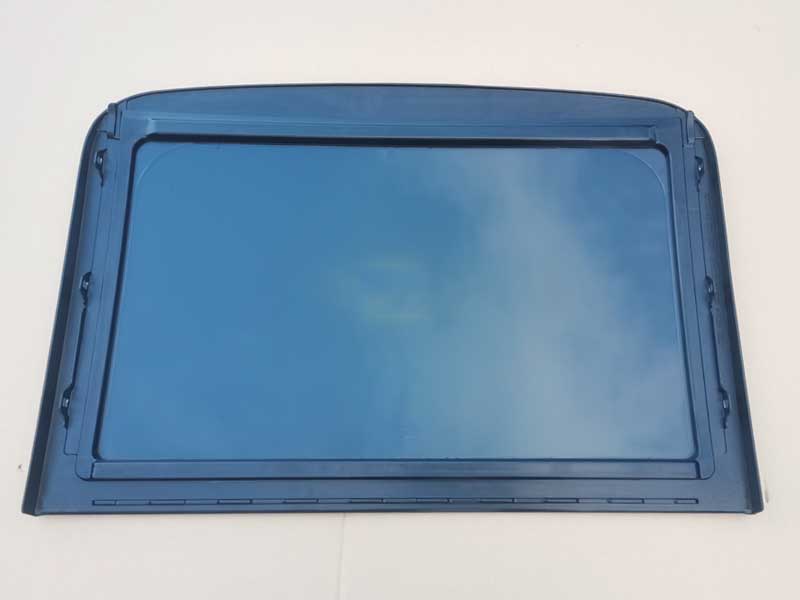
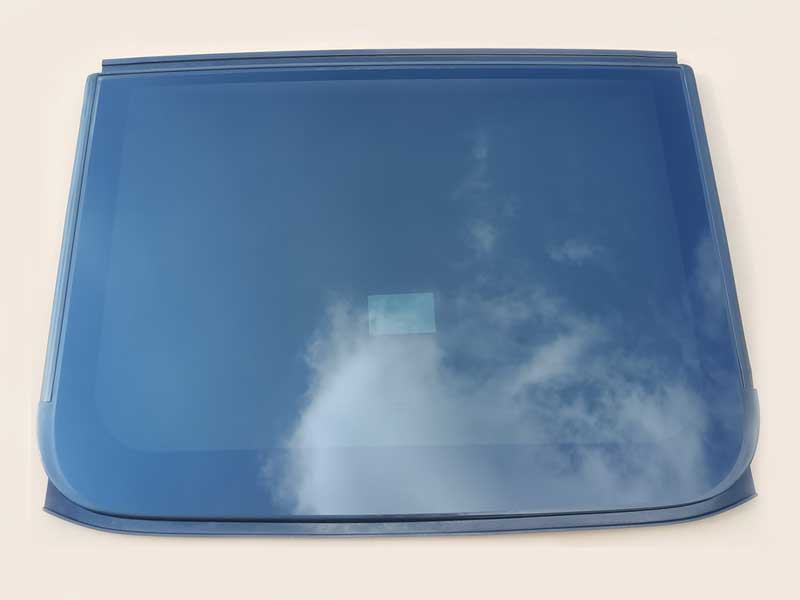
Finally, the glass properties. Sunroof glass must have the functions of heat insulation and ultraviolet blocking. High-quality sunroof glass will be coated, which can block most ultraviolet rays and heat, avoid the obvious increase in temperature in the car after opening the sunroof in summer, meet the safety glass standards for motor vehicles, and will not produce sharp fragments after being damaged, so as to ensure the safety of people in the car.
Fourth, implement installation and after-sales, and improve the final guarantee of the sunroof
The final effect of sunroof installation depends not only on the product quality but also on the standardized installation technology and a perfect after-sales guarantee. The installation and after-sales conditions should be confirmed simultaneously during the selection stage:
The first is the professional ability of the installation team. The installation of sunroofs requires extensive experience from construction workers, and the structural details of different models are different.
Professional teams can complete accurate positioning in advance, avoid damaging the original vehicle line and structure, and standardize the corner seal without causing additional damage to the interior of the vehicle, and the installation process meets the standardization requirements.
Followed by the after-sales guarantee clause. Regular service providers will provide clear warranty services and provide free maintenance and adjustments for problems such as seal failure and abnormal noise during the warranty period.
It is necessary to avoid choosing informal businesses without follow-up services after installation, otherwise it will not be possible to repair in time after problems occur, and the additional rectification cost is much higher than the initial price difference.
FAQ
Q: How long is the lead time for sunroof suppliers?
A: Conventional standard models of sunroofs can usually be delivered in 3-7 working days when the supplier has sufficient inventory. For non-standard products customized for a specific model, it usually takes 2-4 weeks from ordering to delivery, and the cycle involving imported parts may be longer. It is recommended to confirm the inventory status and expected delivery date with the supplier in advance to avoid affecting the modification schedule.
Q: Can sunroof fittings from different suppliers be common?
A: It is usually not universal. The glass size, the radius of the guide rail, the motor interface, and the layout of the drain pipe of the sunroof are all different due to the design of the vehicle model and the supplier, and mixed accessories can easily lead to seal failure or the inability to install. Even models with similar appearances may have different fixing bracket positions, so be sure to use the complete kit provided by the same supplier.
Q: Can the supplier provide the recycling or replacement service for the used sunroof?
A: Some large suppliers and refit chain organizations provide recycling service for old sunroofs, but the recycling value is generally low, which is more reflected in the new purchase discount in the form of a “trade-in deduction”. A few suppliers provide special replacement subsidies for users who upgrade the original sunroof, and the specific policies need to be consulted directly with the corresponding brands.