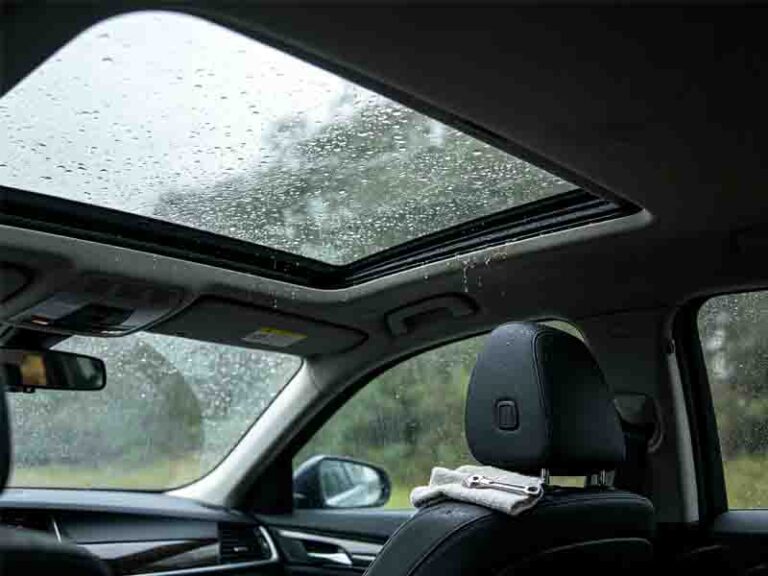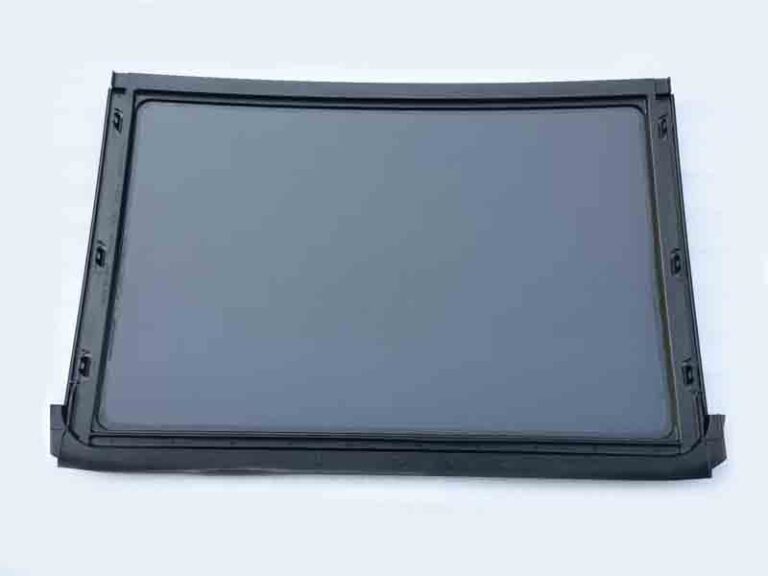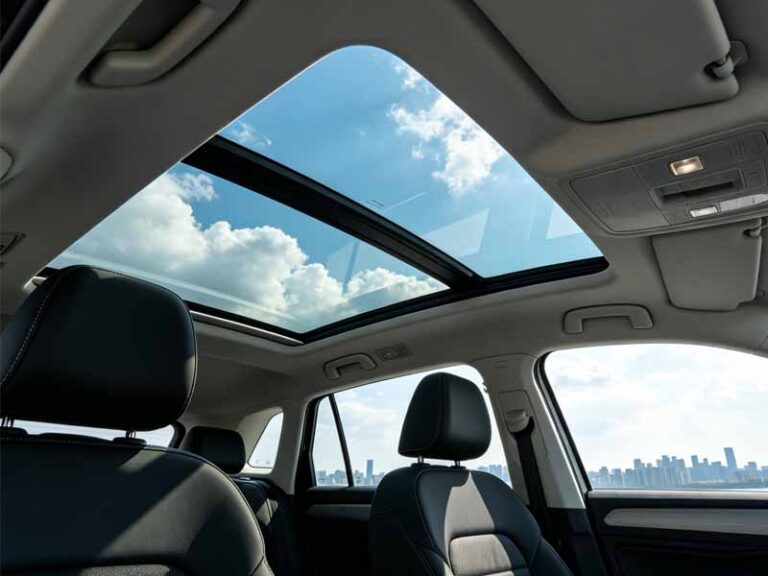
Why OEM Sunroof Glass Is the Best Choice for Your Car Repair
OEM sunroof glass is becoming the preferred choice in parts supply chains because its attributes meet the standards required throughout the vehicle production process.
The core advantages of OEM sunroof glass: quality, safety, and matching degree
1. Quality assurance: from raw materials to finished products.
The supplier of OEM sunroof glass must pass the strict supplier audit system of the OEM. From material selection, tempering treatment, interlayer technology, to the final edge grinding of the original glass, each link has clear process standards and testing requirements.
Taking tempered glass as an example, OEM parts require that the number, size, and shape of particles in a specific area meet safety standards to ensure that the damage to the human body is minimized when accidentally broken.

2. Safety performance: the details related to life cannot be compromised.
Sunroof glass is not only a lighting component but also an important part of vehicle structural safety. OEM sunroof glass has excellent performance in the following safety indicators:
Impact strength: it can withstand the impact test of simulated hail and flying stones, and the OEM sunroof glass of some models even passed the impact test of a 2 kg steel ball falling freely from 2 meters.
Compressive strength: OEM sunroof glass can provide enough support to prevent excessive deformation of the roof in the event of a vehicle rollover.
Ultraviolet blocking rate: The ultraviolet blocking rate of high-quality OEM sunroof glass can exceed 99%, effectively protecting the occupants and interior of the car.
Sound insulation performance: OEM parts can effectively reduce wind noise when driving at high speed through accurate interlayer technology and sealing design.
3. Perfect matching: worry-free installation, eliminating future troubles.
The installation accuracy of sunroof glass directly affects the sealing performance, wind noise performance, and normal operation of the sunroof mechanism. The advantages of OEM sunroof glass are:
Accurate size: The fit clearance with the opening of the car body is precisely calculated, and it is flush with the roof after installation, and the appearance is seamless.
The installation interface is consistent: the buckle position of the glass edge, the groove position of the sealing rubber strip, and the position of the drainage hole are all completely corresponding to the original car, so it can be installed directly without any modification.
Color matching: the transmittance and color temperature of OEM sunroof glass are completely consistent with the original car glass, and there will be no embarrassing situation of “yin and yang glass”.
In contrast, the common installation problems of auxiliary factory parts include: uneven glass and roof, which lead to increased wind noise; lax sealing, which leads to water leakage; and deviation of buckle position, which leads to difficult installation.
These problems not only affect the user experience, but also the cost of second rework often far exceeds the saved price difference.
Key points of installation and maintenance of OEM sunroof glass
After choosing OEM sunroof glass, correct installation and maintenance are equally important.
Precautions for installation
1. Professional construction: the replacement of sunroof glass involves the construction of body sheet metal and sealant and the debugging of the sunroof mechanism, and it is recommended to be performed by qualified professional technicians.
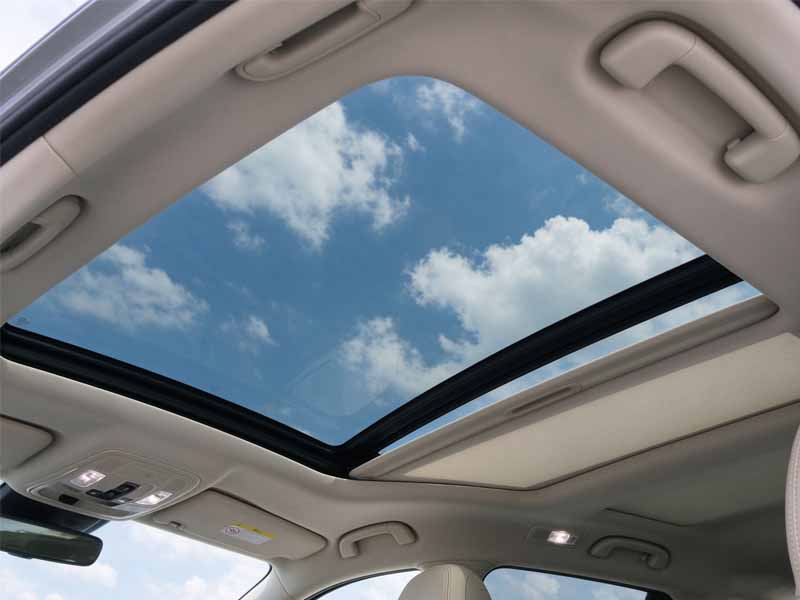
2. Sealing treatment: Polyurethane glass glue designated by the main engine factory shall be used for installation, and the water spraying test shall be conducted after the glue is completely cured in strict accordance with the curing time requirement (usually 1-2 hours).
3. Mechanism debugging: After replacing the glass, it is necessary to recalibrate the opening and closing stroke and anti-pinch function of the sunroof to ensure the smooth operation of the sunroof mechanism.
Daily maintenance suggestions
Regular cleaning: Clean up the dust and sundries in the sunroof guide rail and drainage groove every quarter to prevent the water from entering the car due to the blockage of drainage holes.
Lubrication and maintenance: lubricate the sunroof guide rail and mechanical mechanism every year, using special grease instead of ordinary butter.
Check the sealing strip: regularly check whether the sealing strip of the sunroof is aging, cracked, or deformed, and replace it in time to prolong the service life of the sunroof.
Attention in winter: In cold areas, avoid forcibly opening the sunroof in a freezing state to avoid damaging the motor or glass.
The replacement of automobile sunroof glass seems to be a small project, but the safety and matching problems involved can not be ignored.
Choosing OEM sunroof glass is essentially a choice of safety and reliability consistent with the vehicle’s factory standards. It is not a “cost item” in maintenance, but a necessary investment to protect vehicle performance, ensure travel safety, and retain vehicle value.
Whether for the convenience of daily use or for long-term cost and risk considerations, OEM sunroof glass is the best maintenance choice for a damaged vehicle sunroof.
FAQ
Q: Can the OEM sunroof glass of different models be universal?
A: No. The sunroof glass of each model is designed for a specific car body structure, and there are differences in glass size, radius, and installation hole position between different models, so even different models of the same brand cannot be used universally. Therefore, the special OEM sunroof glass of the corresponding model must be selected to ensure a proper fit.
Q: What maintenance items should be paid attention to after replacing OEM sunroof glass?
Answer: Avoid frequent opening and closing of the sunroof within one week after replacement, and avoid the high-pressure water gun directly impacting the sealing part of the sunroof; Regular cleaning of the guide rail and drain tank according to the requirements of the maintenance manual, regular inspection of the state of the sealing strip, and avoiding forced opening of the sunroof in cold areas can effectively prolong the service life of the sunroof.
Q: Do you need to do routine maintenance after the sunroof glass is replaced?
A: Yes. Regularly clean up the dust and debris in the sunroof guide rail and drain tank every quarter to prevent water from entering the car due to a blockage of the drain hole. Lubrication and maintenance: Use special grease to lubricate the sunroof guide rail and mechanical mechanism every year. Check the sealing strip regularly; check whether the sealing strip of the sunroof is aging, cracked, or deformed, and replace it in a timely manner to prolong the service life of the sunroof.