Car Sunroof Industry Report: Verified Supplier Selection Criteria
For the global car OEMs, customized vehicle manufacturers, it is no longer a simple unit price comparison to select the appropriate car sunroof supplier in 2026.
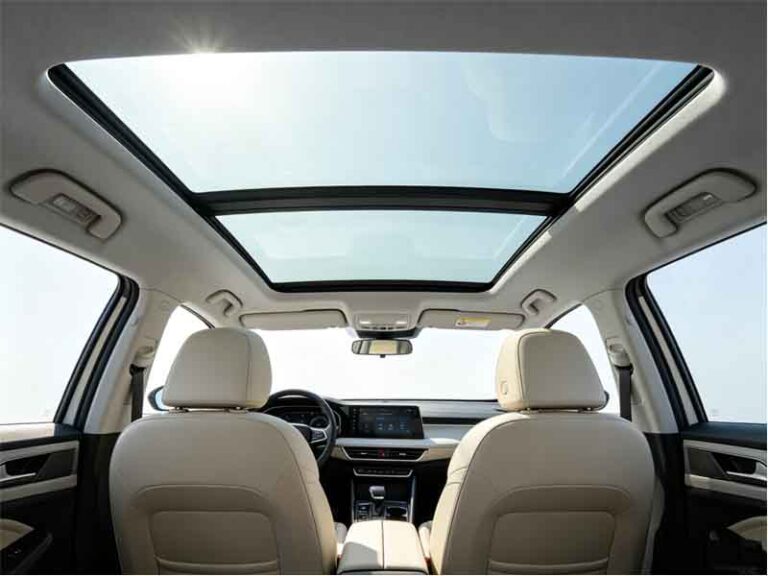
This decision will directly affect product safety performance, target market compliance, delivery stability, and long-term satisfaction of end users. At present, the global car sunroof market has passed the primary stage of “popularization of additional configuration”, and 82% of new passenger cars list an ordinary sunroof or panoramic glass canopy as a standard configuration.
- Compliance of car sunroof and adaptability of global supervision system
- Customized glass processing and synchronous engineering development ability
- Stability of the glass supply chain and capacity expansion of large-scale production capacity
- Supporting service and after-sales system guarantee after sunroof glass delivery
Compliance of car sunroof and adaptability of global supervision system
The first irrefutable verification standard in the procurement process is whether the base material performance of car sunroof glass completely covers the mandatory automobile safety standards in the target market.
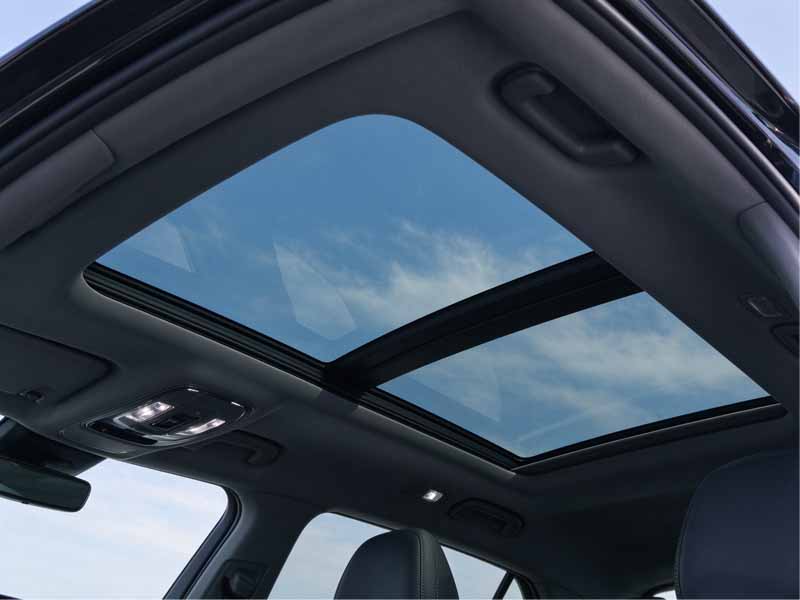
A large number of low-cost manufacturers who have not passed the qualification verification will reduce the cost in the selection of the original glass, which will eventually lead to the failure of the products to pass the FMVSS 216 rollover protection test in the United States and the relevant impact requirements of the E-Mark certification in the European Union, and the glass will break and splash under extreme working conditions, or there will be serious security risks of optical distortion after long-term exposure.
Qualified suppliers are required to provide complete third-party certification documents for each batch of sunroof glass, including E-Mark safety certification for the EU market, DOT compliance certificate for the North American market, and ISO 12312 anti-ultraviolet performance test report for the thermal insulation requirements of new energy vehicles.
Head manufacturing enterprises will complete more than 400 verification cycles for each piece of sunroof glass: steel ball impact test, ultraviolet accelerated aging test, and extreme temperature change test from -40℃ to 90℃.
Customized glass processing and synchronous engineering development ability
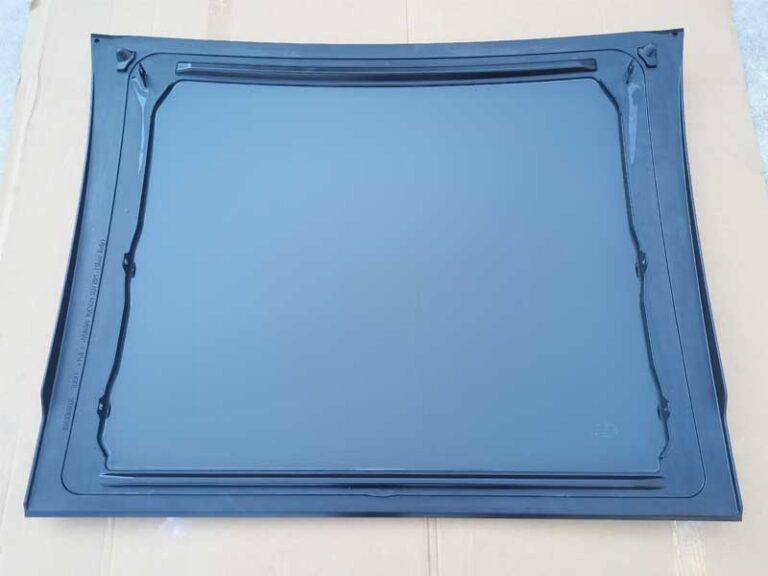
For customized vehicle manufacturers or brand-new energy vehicle companies, standardized mass-produced rectangular sunroof glass can never adapt to the streamlined roof design of exclusive models.
Reliable suppliers should not only accept the accurate 2D/3D drawings and opening positioning parameters provided by the purchaser, but also deploy a dedicated engineering team to complete the glass curvature check, optical path simulation, and strength redundancy measurement before the formal mold opening.
This ability is the core dividing line between ordinary glass trade middlemen and manufacturing enterprises with self-research ability.
High-quality suppliers can adjust the curvature of sunroof glass, the thickness of laminated PVB film, and the precision of edge chamfering according to the buyer’s demand, so that they can fully meet the requirements for the roof body stiffness of the vehicle model, and it is not necessary for the buyer to modify the original body design to accommodate standardized glass products.
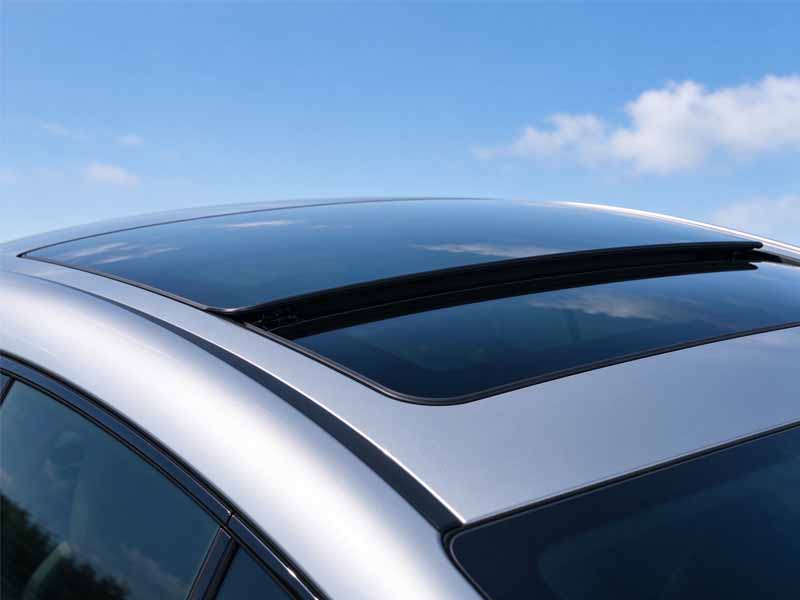
At the same time, optional functions such as electrochromic tone light, Low-E low-radiation heat insulation, and hidden starry sky top light guide layer can be integrated as required, and the overall project cycle will not be unreasonably prolonged.
Stability of the glass supply chain and capacity expansion of large-scale production capacity
Many overseas buyers have encountered similar pain points: small glass suppliers offered extremely low quotations for 50 trial production orders, but after 6 months, they could not expand the monthly production capacity of large-size curved sunroof glass to 500 pieces, or they encountered a shortage of original glass, which delayed the delivery cycle by more than 8 weeks.
The verified high-quality suppliers all set their production bases in the mature automobile glass parts industry cluster, and the suppliers of core raw materials such as high-permeability automobile-grade original glass, sound insulation PVB laminated film, and thermal insulation coating materials are all located within the supporting radius of 100 kilometers, which can shorten the delivery cycle of large-size sunroof glass by 40% compared with scattered small glass processing workshops.
Such suppliers will also maintain a safe stock of sunroof glass with core specifications for 30 days, and even if the global shipping or raw material market fluctuates, the purchaser’s vehicle production plan will not be disturbed.
Supporting service and after-sales system guarantee after sunroof glass delivery
High-quality suppliers facing the global market can provide overseas partners with multilingual sunroof glass installation alignment manuals, step-by-step video tutorials, and 7×24-hour technical work order response channels.
At the same time, exclusive spare parts such as replacement sunroof glass with different specifications and supporting installation of sealing kits will be stored in regional overseas warehouses, and the purchaser can deliver the replacement parts to the end customers within 3 to 5 days, without waiting for the 6-week ocean transportation cycle.
This system can greatly reduce the after-sales operating costs of purchasers and effectively protect their own brand reputation.
In 2026, the competition in the global car sunroof glass market is no longer a low-cost race, but a deep competition for long-term and reliable partnerships. By evaluating suppliers through the above four verified standards, buyers can avoid the common procurement traps that plague hundreds of automobile enterprises and find high-quality partners who grow synchronously with their own brands.
FAQ
Q: What is the regular delivery cycle of large panoramic sunroof glass?
A: The standard specifications will be issued within 7 working days, and the regular delivery cycle of customized products is 21 to 28 working days.
Q: Can your sunroof adapt to our local mainstream models?
A: Houming sunroof’s products cover more than 90% of the mainstream passenger cars in the world, including European, American, Japanese and Korean and local brands. The technical team has a complete model database, which can accurately match the corresponding products according to the model year, VIN code or sunroof parameters of the original car provided by customers.
Q: What are the price advantages of your products compared with the original accessories?
A: We adopt a “hierarchical pricing system”: the standard general-purpose sunroof provides highly competitive batch prices, and customized products are reasonably priced according to development costs. In addition, we also provide annual price lock-in agreements to help customers avoid the risk of raw material price fluctuations and stabilize procurement costs.