Sunroof for Car Installation: What Large Buyers Need to Know
When purchasing automobile sunroof installation services in batches, the first core issue is the adaptability of sunroof products. Different models, body structures, and production years correspond to different sunroof specifications.
Large-scale purchasers need to sort out the model adaptation list for all vehicles to be installed in advance and confirm with suppliers that each product matches the corresponding model to avoid installation failure or potential safety hazards due to model mismatch.
- Supply chain under the scene of sunroof batch installation
- Construction of Installation Technology Standardization System with sunroof Glass as the Core
- On-site management and efficiency optimization of sunroof glass in a batch installation scene
- Long-term operation and maintenance and risk avoidance after sunroof glass installation
Supply chain under the scene of sunroof batch installation
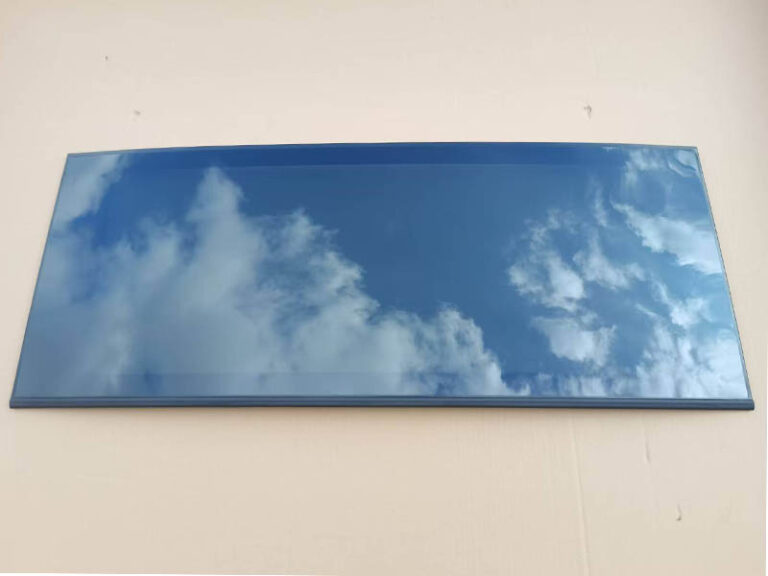
For the installation of a sunroof for large buyers, the starting point of all processes should return to the physical properties of the glass itself and the matching degree of the vehicle type, rather than directly entering the construction link.
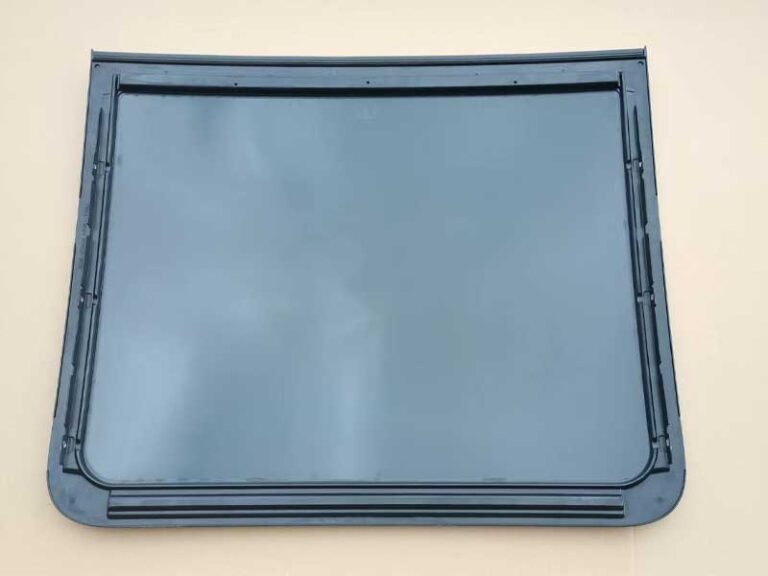
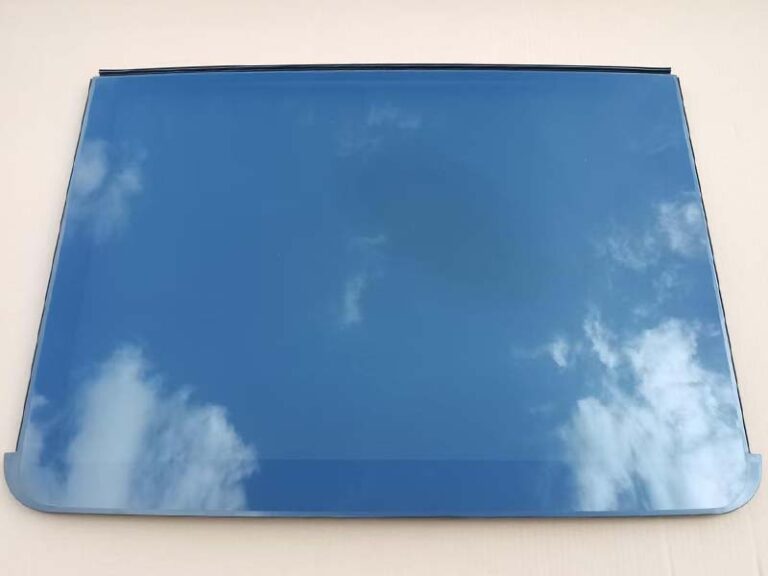
There are differences in the radius of the sunroof opening, the curvature of the glass, and the tolerance range of the reserved mounting groove of the frame of different models.

If the purchased glass products do not complete the three-dimensional scanning surface adaptation of the corresponding models in advance, the problems of insufficient fit between the glass and the body frame and uneven stress of the sealant will easily occur during installation, and the probability of water leakage and excessive wind noise will be greatly increased in subsequent long-term use.
At present, the mainstream OEM sunroof glass supply chain has generally adopted the model-specific pre-adaptation production mode.
Before leaving the factory, the radian, installation hole position, and peripheral sealing strip are integrated and calibrated according to the body parameters of the corresponding model, and there is no need to polish or cut the glass at the installation site.
In this mode, the installation and positioning time of a single piece of glass can be reduced by nearly 50%, which is fully suitable for batch installation projects with thousands of units shipped each year, thus avoiding the risk of batch rework at the source.
Construction of Installation Technology Standardization System with sunroof Glass as the Core
The sunroof glass is often installed as an ordinary accessory in the scattered installation of ordinary stores, while the process standard in the bulk purchase scenario, all processes are designed around the two core goals of glass safety and sealing.
When the glass is hoisted and aligned, the adsorption pressure should be kept uniform to avoid dark cracks in the local stress of tempered glass. The sizing path and thickness of the sealant should strictly match the bonding surface of the glass edge to ensure that the sealing pressure around the glass is completely consistent after installation.
After the installation, continuous opening and closing vibration tests should be made for the glass to verify that the connection between the glass and the frame will not be loose or abnormal.
Mature large-scale buyers have disassembled the glass-related processes into more than ten traceable inspection nodes, and the installation alignment record and sealing test results of each glass are linked to the VIN code of the corresponding vehicle, so the whole link can be traced back.
This system can reduce the probability of glass cracking and sealing failure in subsequent use to a very low level, and can also help buyers establish a stable quality reputation among downstream customers.
On-site management and efficiency optimization of sunroof glass in a batch installation scene
When the scale of the project reaches dozens or even hundreds of vehicles working at the same time, the on-site circulation and protection management of sunroof glass will directly determine the overall delivery efficiency and loss rate of the project. Glass is fragile, so it can’t be directly stacked and stored on site.
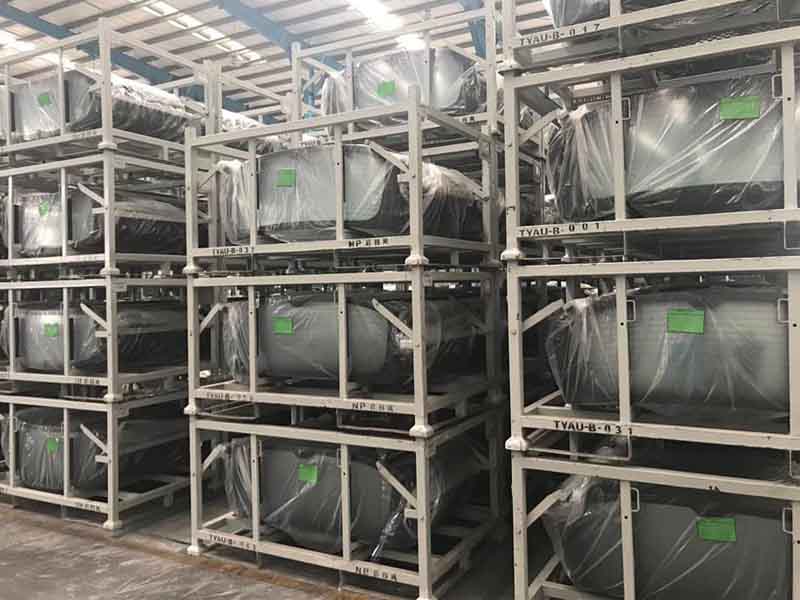
A special material rack with buffer protection must be set up to sort the glass of the corresponding model in advance according to the daily workload, so as to avoid the misuse of different types of glass.
At the same time, the layout of the installation station should include an exclusive lifting line for the glass to avoid the risk of injury caused by tools and hard objects bumping against the glass surface during construction.
An experienced purchasing team will divide the glass installation process into three independent processes: glass transfer, alignment and bonding, and fastening and shaping. Workers at each station are only responsible for the operation of the corresponding links, which greatly reduces the average installation time of a single vehicle through the assembly line operation mode.
At the same time, a small proportion of spare glass of the same model will be reserved on site to deal with sudden unexpected loss, and the whole production line will not be stagnant because of the lack of a single glass.
Long-term operation and maintenance and risk avoidance after sunroof glass installation
Many buyers tend to ignore the follow-up operation and maintenance link after the sunroof glass installation is completed. In fact, most after-sales disputes related to sunroofs are due to the failure to follow up on the details after the glass installation.
The first month after installation is a period of high failure rate. The purchaser can arrange a centralized re-inspection for all completed vehicles, focusing on the sealing condition around the glass and the smoothness during opening and closing, so as to deal with potential minor problems in the bud.
At the same time, it is also necessary to guide the downstream customers. Many subsequent glass failures are not caused by the installation process, but by improper use by users: for example, forcibly opening the sunroof when the glass surface is thick with ice, resulting in local stress cracking of the glass;
The sunroof drain hole has not been cleared for a long time, and the accumulated water overflows the sealing layer on the edge of the glass and seeps into the car. Informing customers of these basic precautions in advance can greatly reduce the amount of follow-up after-sales consultation and effectively extend the overall service life of sunroof glass.
For buyers who have been deeply involved in the automobile sunroof business for a long time, it is key to build their core competitiveness by building the full-link capability from adaptation and installation to operation and maintenance around the glass body.
FAQ
Q: How often do you need to do a routine inspection after installation?
A: It is suggested that the purchaser require the end users to make a routine inspection of the sunroof glass and supporting systems once every six months, focusing on the aging of sealing strips and the patency of drainage holes, so as to find and deal with potential risks in time.
Q: There is a slight crack in the sunroof glass. Must it be replaced?
A: If the crack does not affect the stability and sealing performance of the glass structure, it can be repaired according to the actual situation. However, if the crack has extended to the stressed area of the glass, it is recommended to replace it in time to avoid safety problems caused by the expansion of the fault.
Q: What operations do users need to avoid in daily use?
A: Avoid forcibly opening and closing the sunroof when the glass is frozen and stuck; avoid keeping the sunroof in a fully open state, other than inclined opening, for a long time, and close the sunroof in time when parking, to avoid rainwater and fallen leaves from accumulating and blocking the drainage system.