Sunroof Leak Causes and How to Fix Them — A Complete DIY Troubleshooting Guide
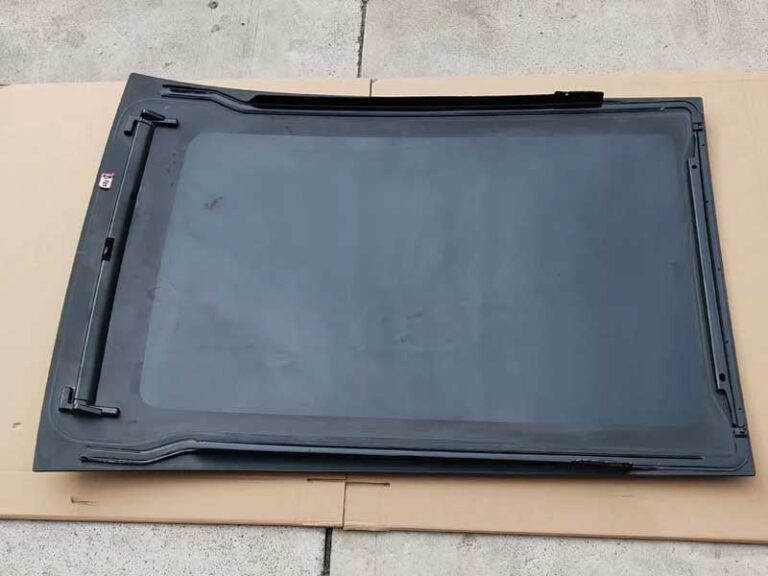
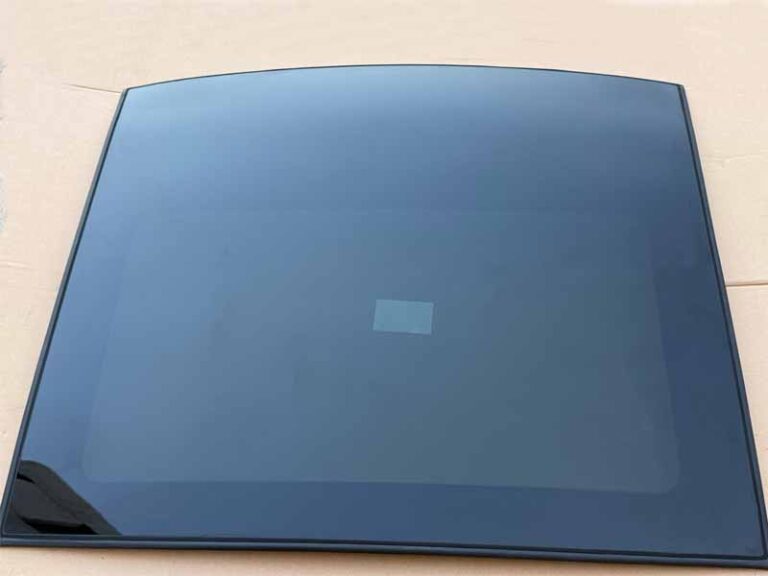
As a vehicle configuration to enhance the driving experience, sunroof glass can promote the air circulation in the car and create a broad field of vision, but its water leakage problem annoys many car owners. Whether it is water seepage on rainy days or dripping when washing the car, it will not only wet the interior but also cause circuit failure and mildew in the interior for a long time.
Four core causes of the sunroof leakage
The water leakage of the sunroof is not caused by a single problem, but is usually a comprehensive manifestation of the failure of the sealing system, drainage structure, or mechanical parts.
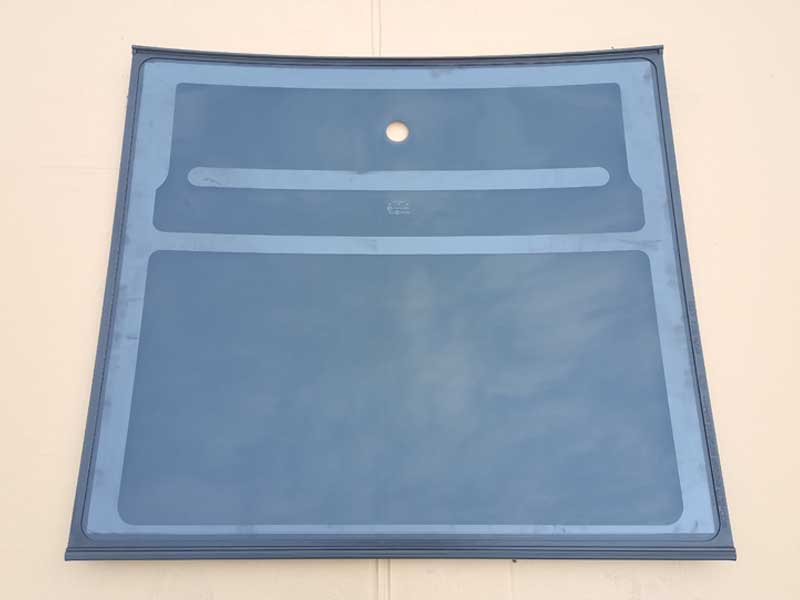
Aging of the sealing strip: This is the most common reason. Long-term exposure to ultraviolet light, rain, snow, and temperature differences will gradually cause the rubber sealing strip at the edge of the sunroof to lose its elasticity, crack, and deform, and it will not fit the sunroof glass closely, which will eventually lead to water seepage.
Drainage hole blockage: Drainage holes are arranged at the four corners of the sunroof, which are responsible for guiding the seeping water to the bottom of the vehicle. Fallen leaves, dust, silt, and other debris are easy to accumulate at the entrance of the drainage hole, which will cause blockage over time. If the accumulated water cannot be discharged, it will be poured into the car.
Track deformation of sunroof: The sunroof depends on the track transmission for opening and closing. Frequent use or being squeezed by external force (such as being hit by falling objects during parking) may lead to slight deformation of the track, so that the sunroof can not completely fit the adhesive tape when closing, leaving gaps.
Drain hose falls off: If the hose connecting the drain hole is loose or falls off, the accumulated water can’t be discharged out of the car normally, and it will leak to the ceiling or the inside of the car door from the hose joint.
DIY detection: quickly locate the leaking point of the sunroof
Finding the source of water leakage accurately before repairing can avoid blind operation.
Appearance inspection method: after closing the sunroof, carefully observe whether the sealing rubber strip has cracks, gaps, or obvious deformation, and at the same time, check whether the entrance of the drainage hole around the sunroof is blocked by sundries.
Flushing test method: flush with a high-pressure water gun at the edge of the sunroof and the position of the drain hole, and arrange one person in the car to observe the leaking part.
If it is a rubber strip problem, water leakage will directly penetrate from the gap between the glass and rubber strip; If the drain hole is blocked, the accumulated water will slowly overflow in the groove of the sunroof.
Track inspection method: manually open and close the sunroof, feel whether the track runs smoothly, whether there is jamming or abnormal noise, and check whether there are foreign objects in the track.
Sub-scene repair scheme: correspondingly solve different water leakage problems
According to the detected reasons, the corresponding repair methods are selected, and most problems can be solved by themselves.
Aging repair of sealing rubber strip: if the rubber strip is only slightly cracked, a special rubber repair agent can be used to fill the crack; If the rubber strip has been severely deformed or lost elasticity, it is recommended to replace it with a new one.
Pay attention to the selection of original accessories when replacing, and press evenly when installing to ensure that the rubber strip is completely attached to the edge of the sunroof.
Drainage hole dredging: prepare a thin wire or special dredge, gently insert it into the drainage hole, and stir it back and forth to clean up the blockage until the drainage is smooth. Rinse the drain hole with water after dredging to ensure that the accumulated water can be discharged quickly.

Correction of track deformation: For slight deformation, try to manually adjust the track position, loosen the track fixing screw with a wrench, slowly correct it, and then tighten it again.
When the deformation is serious, it is not recommended to handle it by yourself. You should go to a professional repair shop for an adjustment.
Repair of drainage hose: check whether the hose connector is loose. If it just falls off, plug it back into the drainage hole and fix it. If the hose breaks, it needs to be replaced with a new hose. When replacing, pay attention to ensure that the hose is tightly connected to avoid falling off again.
Daily maintenance: the key to preventing sunroof leakage
Daily maintenance can effectively prolong the service life of the sunroof glass and reduce water leakage.
Regular cleaning: clean the sundries at the sunroof groove and the entrance of the drain hole once a week, and wipe the sealing strip with a wet rag every month to keep the strip clean and elastic.
Rubber strip curing: use special rubber curing agent to apply the rubber strip every quarter to prevent aging and cracking of the rubber strip.
Avoid violent operation: avoid excessive force when opening and closing the sunroof, and stop inspection in time when encountering resistance to prevent track damage.
Parking Attention: Try to avoid parking vehicles under trees or in areas with a high risk of falling objects from high altitudes to prevent the sunroof from being damaged by external forces.
The leaking sunroof seems to be a minor problem, but it may cause a series of cascading failures. Through regular inspection and timely repair, not only can the maintenance cost be saved, but also the sunroof can continue to play its role. I hope this DIY guide can help you easily solve the problem of sunroof leakage and make the driving experience more comfortable.
FAQ
Q: What should I do if the sunroof stops under a tree and is covered with fallen leaves?
A: First, clean the fallen leaves on the surface, then focus on cleaning the grooves around the sunroof and the entrance of the drainage hole, and clean up the residual fine sediment and dead branches to avoid blocking the drainage channel.
Q: Is it necessary to replace the sunroof strip with slight cracks?
A: If there is only a slight crack on the surface, and there is no air leakage or water leakage in the sunroof, you can apply a special rubber curing agent to the cracked part first, and then increase the daily inspection frequency. If the crack is deep and the rubber strip has lost its elasticity, it is recommended to replace it in time to avoid water leakage.
Q: Will cleaning the drain hole of the car sunroof by yourself make the sundries stick in and block it more seriously?
A: When cleaning the drain hole, you can first hook out the caked impurities at the entrance with fine iron wire, and then flush them along the pipeline with low-pressure clean water. Don’t stab them violently, which generally won’t cause more serious blockage. If you are not sure about the operation, you can go to the repair shop to clean them.