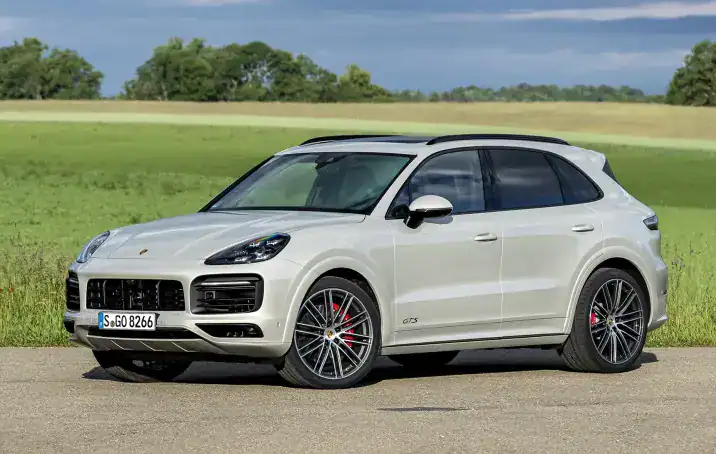
Custom Sunroof Manufacturer for Automotive Suppliers | Sunroof Glass Solutions
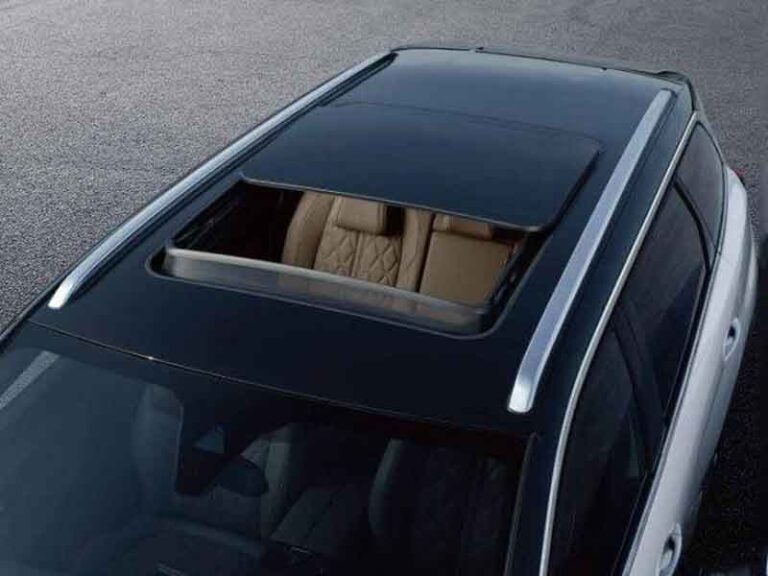
In today’s automotive market, the sunroof has become more than just a luxury feature. For many drivers, it represents openness, comfort, and a better driving experience. As vehicle designs continue to evolve, the demand for custom sunroof solutions is also increasing.
For automotive parts distributors, glass wholesalers, and repair chains, working with a manufacturer that offers custom sunroof design and manufacturing can make a significant difference in product availability, compatibility, and long-term supply stability.
This article explores how custom sunroof development works, why it matters for the automotive aftermarket, and how suppliers can choose the right manufacturing partner.

Why Custom Sunroof Solutions Are Becoming More Important
Over the last decade, car manufacturers have introduced a wide variety of sunroof types, including:
- Sliding sunroofs
- Panoramic sunroofs
- Fixed sunroofs
- Spoiler sunroofs
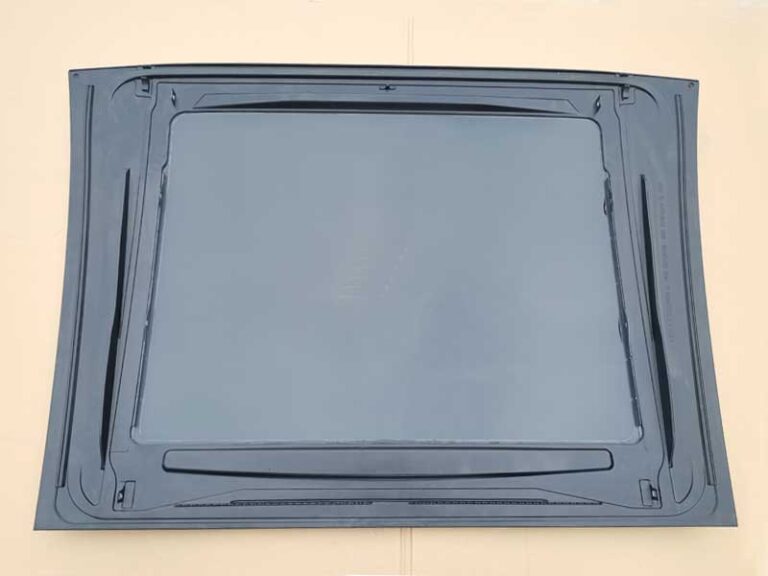
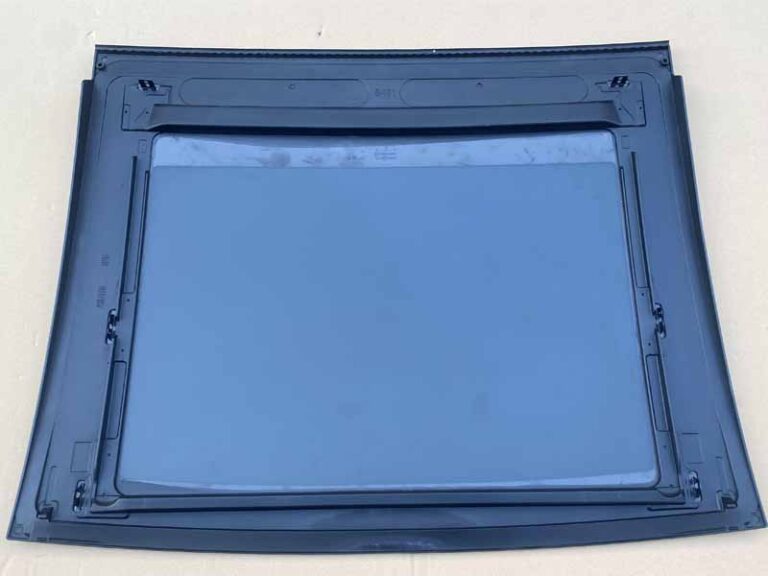
Each vehicle model often requires unique sunroof glass dimensions, curvature, and mounting structures. As a result, aftermarket suppliers frequently need customized sunroof production rather than standard universal parts.
For automotive distributors and repair centers, sourcing the correct sunroof replacement glass can sometimes be challenging if the supplier lacks manufacturing flexibility.
Custom sunroof production helps solve this issue by allowing manufacturers to:
- Match OEM specifications
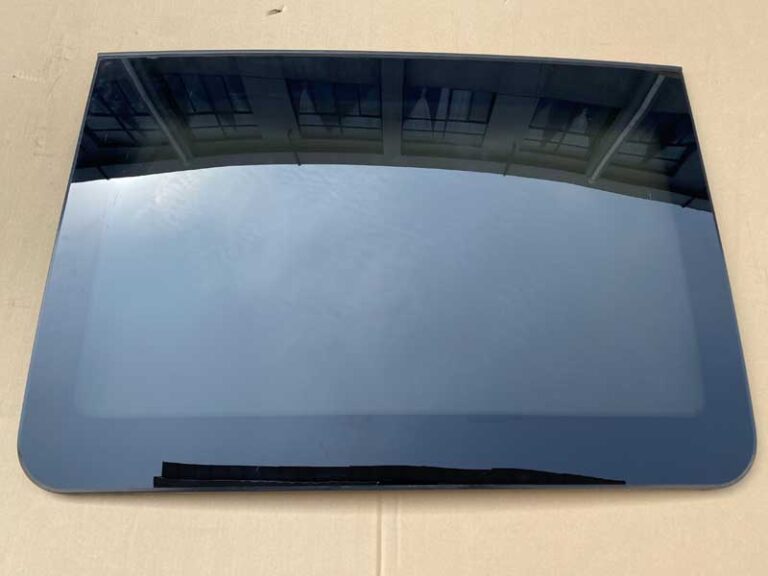
- Produce model-specific sunroof glass
- Support aftermarket repair demand
- Reduce compatibility issues during installation
The Process of Custom Sunroof Design
Custom sunroof manufacturing usually follows a structured engineering process. While every manufacturer may have slightly different workflows, the core stages are similar.
1. Vehicle Data Analysis
The first step is analyzing the vehicle specifications. This may include:
- Vehicle model and production year
- Sunroof structure type
- Glass thickness requirements
- Curvature and size specifications
Accurate data ensures the custom sunroof glass fits perfectly with the vehicle frame and sealing system.
2. Engineering Design and Prototyping
Once the data is collected, engineers develop a sunroof glass design that matches the vehicle structure.
This stage often involves:
- 3D modeling
- Structural strength evaluation
- UV and thermal performance considerations
A prototype may be produced for testing before full-scale manufacturing begins.
3. Material Selection for Sunroof Glass
Sunroof glass must meet strict safety and durability standards.
Most automotive sunroof glass uses:
- Tempered safety glass
- Laminated glass structures
- UV-resistant coatings
- Heat-reflective layers
These materials ensure the sunroof can withstand temperature changes, impact, and long-term exposure to sunlight.
4. Precision Manufacturing
After the design is approved, the sunroof enters the production stage.
Typical manufacturing steps include:
- Glass cutting and shaping
- Edge grinding and polishing
- Tempering process
- Surface treatments
- Quality inspection
Modern factories rely on precision equipment and strict quality control systems to ensure each sunroof meets automotive standards.
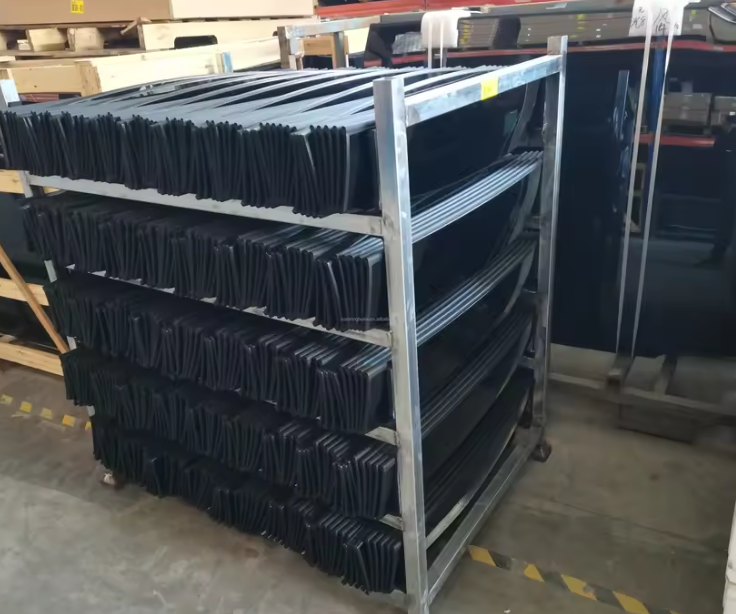
Advantages of Working with a Custom Sunroof Manufacturer
For automotive suppliers and distributors, partnering with a specialized sunroof manufacturer offers several advantages.
Wider Product Coverage
Custom manufacturing allows suppliers to offer sunroof glass for more vehicle models, including older or discontinued vehicles that are difficult to source.
Stable Supply for Aftermarket Demand
The global automotive aftermarket continues to grow, especially for sunroof replacement glass. Reliable manufacturing partners can provide a consistent supply for repair shops and distributors.
Better Product Compatibility
Custom sunroof designs reduce installation problems. When the glass matches the vehicle’s original design, repair time is shorter, and customer satisfaction improves.
Flexible Production
Experienced manufacturers can support:
- Small batch production
- Bulk wholesale orders
- Custom packaging and branding
This flexibility is especially important for international distributors.
Key Factors When Choosing a Sunroof Manufacturer
Not all manufacturers have the same level of experience in sunroof production. Automotive suppliers should evaluate several factors before establishing a long-term partnership.
Important considerations include:
- Manufacturing experience in automotive sunroof glass
- Quality control standards
- Production capacity
- Global export experience
- Ability to develop custom sunroof designs
A reliable manufacturer should also provide technical support and product consultation when new models enter the market.
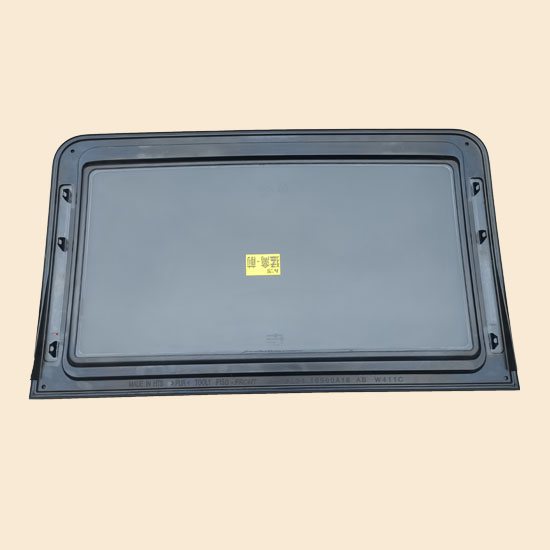
The Growing Demand for Sunroof Replacement Glass
Sunroofs are now installed in a large percentage of modern vehicles. With millions of cars on the road equipped with sunroofs, the demand for sunroof replacement glass continues to increase every year.
Common reasons for sunroof replacement include:
- Glass damage from road debris
- Weather-related cracks
- Mechanical failure in older vehicles
- Accidents or roof repairs
This growing demand creates opportunities for automotive glass distributors and aftermarket suppliers who can provide high-quality replacement parts.
Looking Ahead: The Future of Automotive Sunroof Design
The role of the sunroof in vehicle design is also evolving. New trends include:
- Larger panoramic sunroofs
- Smart glass technologies
- Improved thermal insulation
- Lightweight glass materials
As these innovations develop, custom sunroof manufacturing will become even more important for supporting both OEM and aftermarket needs.
Suppliers who build strong partnerships with experienced sunroof manufacturers will be better positioned to serve the growing global automotive repair market.
Frequently Asked Questions About Custom Sunroof Manufacturing
What is a custom sunroof?
A custom sunroof is a sunroof designed and manufactured to match the specifications of a specific vehicle model. It ensures proper fit, safety, and compatibility with the original roof structure.
What types of sunroofs can be customized?
Manufacturers can usually produce several types of sunroofs, including sliding sunroofs, panoramic sunroofs, fixed sunroofs, and universal sunroof designs.
Is sunroof glass different from regular automotive glass?
Yes. Sunroof glass is designed to withstand higher exposure to sunlight, temperature changes, and vibration. It typically uses tempered or laminated safety glass.
How long does custom sunroof manufacturing take?
The timeline depends on the complexity of the design and order volume. Initial development may take several weeks, while regular production orders are usually faster once the design is finalized.
Can aftermarket sunroof glass match OEM quality?
Yes. Many professional manufacturers produce aftermarket sunroof glass that meets or exceeds OEM standards through strict quality control and modern production technology.