The Common Issues for Car Roof Window Replacement
As an important configuration aimed at improving the lighting in the car, improving the driving comfort and experience, the car roof will inevitably encounter various functional failures or structural problems during long-term use of the car, making the final replacement a necessary maintenance option.
From the natural aging and daily wear caused by long-term exposure to sunlight, wind, rain and temperature difference changes, to the structural damage caused by external forces due to unexpected events such as bumps, collisions and foreign body impacts during driving, accurately understanding and systematically sorting out these common causes and inducing factors that urge the sunroof to be replaced can effectively help the majority of car owners to carry out preventive inspection and regular maintenance in advance in daily use, so as to find potential risks as early as possible and take corresponding measures to the greatest extent.
Aging of the car roof sealing strip
The sealing strip of the automobile sunroof is the first line of defense against rain and dust, and it is also one of the most aging parts. Long-term exposure to sunlight, ultraviolet rays, extreme temperature difference and wind and rain erosion will gradually cause the rubber strip to lose its elasticity and cause problems such as cracking, deformation, or hardening. At this time, vehicles are prone to water leakage on rainy days or when washing cars. At the initial stage, it may only be water seepage at the edge of the sunroof. If it is not treated in time, the accumulated water will seep into the car along the gap of the sunroof frame, resulting in moldy roof lining, short circuit, and even damage to interior parts such as seats and carpets.
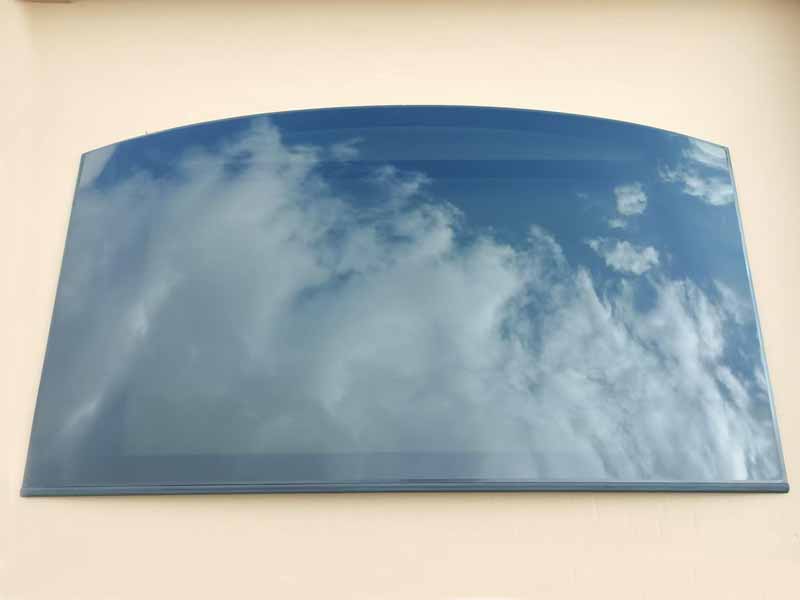
Judging whether the sealing rubber strip needs to be replaced can be observed by touching: the normal rubber strip feels flexible, and the surface is flat; The aging rubber strip is stiff to the touch and has obvious cracks or whitening on the surface. In daily maintenance, regularly wiping the rubber strip with a special rubber protective agent can delay the aging speed. If there are signs of water leakage, it is necessary to replace the original sealing rubber strip of the adapted vehicle as soon as possible. When replacing, attention should be paid to cleaning the impurities in the sunroof track to ensure that the rubber strip is closely attached to the edge of the sunroof.
Mechanical fault stuck
The opening and closing of the automobile sunroof depends on a complex mechanical structure, including guide rail, motor, steel wire rope, gear set, and other components. After long-term use, the dust and sand accumulated in the track will increase the wear of parts, and the lack of lubrication will easily lead to poor opening and closing of the sunroof, jamming, or even complete inability to move. Common manifestations are obvious abnormal sound and slow speed when the sunroof is opened, or it can only be partially opened and closed.
Another common mechanical failure is motor damage, which is mostly caused by frequent opening and closing, excessive load, or a short circuit in water. If the sunroof is unresponsive during operation, or there is an abnormal motor running sound but the sunroof does not move, there is a high probability that there is a problem with the motor. Mechanical failure not only affects the normal use of the sunroof, but also may cause the sunroof to stop in a half-open state in severe cases, which will expose the car to wind and rain in case of bad weather.
To deal with this kind of problem, we should first clean the sunroof track, remove the dust with a brush, and then apply special grease. If motor failure is suspected, professional technicians should test the circuit and motor performance and replace the motor assembly if necessary. In daily use, avoid forcibly opening and closing the sunroof track when there are foreign objects, and regular cleaning and lubrication can effectively reduce the occurrence of mechanical failures.
Crack or breakage of glass
As a part of automobile glass, the sunroof glass may be cracked or broken by flying stones, falling objects, or sudden temperature changes (such as washing the glass with hot water in winter) during driving, although it has been strengthened. Slight cracks may not affect the use at the initial stage, but with the vibration of the vehicle, the cracks will gradually expand, reducing the impact resistance of the sunroof, and even failing to provide adequate protection in an emergency.
In addition, the broken sunroof glass will weaken the sound insulation effect in the car, and the wind noise will increase obviously when driving at high speed, which will affect the driving comfort. If the glass is completely broken, it may also lead to the theft of items in the car or the danger of glass splashing while driving.
Once cracks are found in the sunroof glass, even if they are small, they should be dealt with in time. Slight cracks can be filled by glass repair agent to prevent crack propagation; If the crack is large or the glass is broken, the whole sunroof glass must be replaced. When replacing, be sure to choose the original glass or regular brand accessories that meet the safety standards to ensure the strength and sealing of the glass.
Blockage of drainage system
The automobile sunroof is designed with a special drainage system, which leads rainwater or car wash water to the bottom of the car for drainage through the water guide groove, drainage hole, and drainage pipe at the edge of the sunroof. However, in long-term use, fallen leaves, dust, sediment, and other debris will block the drainage hole or drain pipe, resulting in poor drainage. At the beginning, it may only be water in the water guide tank. If it is blocked seriously, the water will overflow into the car, soak the interior, and even damage the electronic equipment in the car.

The blockage of the drainage system is concealed, which is difficult to detect at the beginning. Many car owners discovered the problem only after water accumulated in the car. In daily maintenance, you can check whether there is water in the sunroof guide groove or dredge the drainage hole with a thin iron wire. When cleaning the drainage system, it is necessary to clean the debris in the water guide tank with a brush first, and then dredge the drainage pipe with high-pressure air or clear water to ensure smooth drainage.
FAQ
Q: How often does the sunroof drainage system need to be cleaned?
A: It is generally recommended to clean it once every six months to one year. The cleaning interval can be appropriately shortened in the environment where there is a lot of rain and vehicles often park under trees.
Q: Can I dredge the drainage hole by myself?
A: Yes, the foundation can be dredged by preparing fine wire, brush, and high-pressure air blowing. Be careful not to puncture the drainage pipe too hard during operation. If the blockage is serious, it is recommended to go to a professional repair shop for treatment.
Q: What should I do if the drainage blockage has caused water in the car?
A: Dry the accumulated water in the interior in time, and open the window for ventilation to dry. If the accumulated water soaks the carpet in the car or soaks the electronic components, you need to go to the repair shop to disassemble the interior and clean it to avoid the problems of mildew and circuit failure.