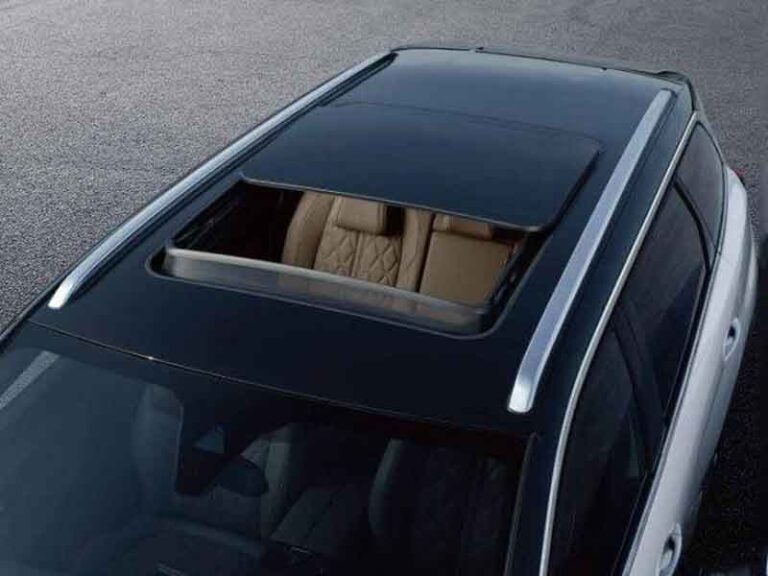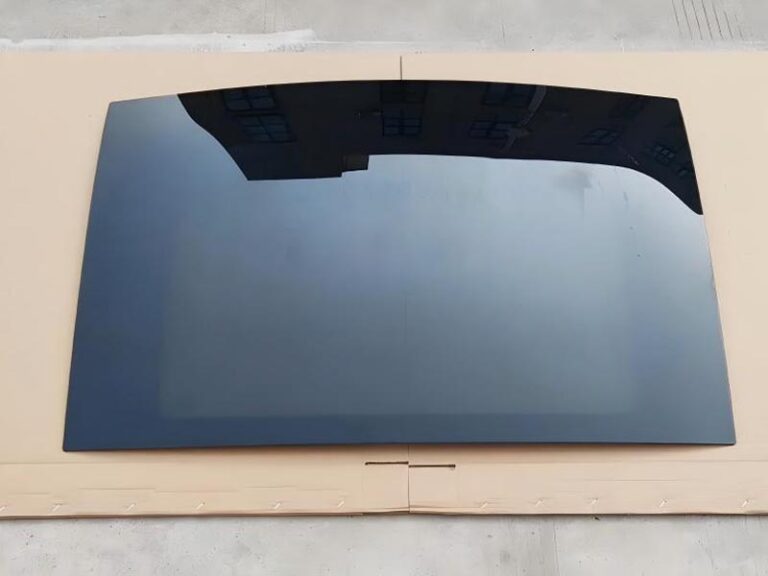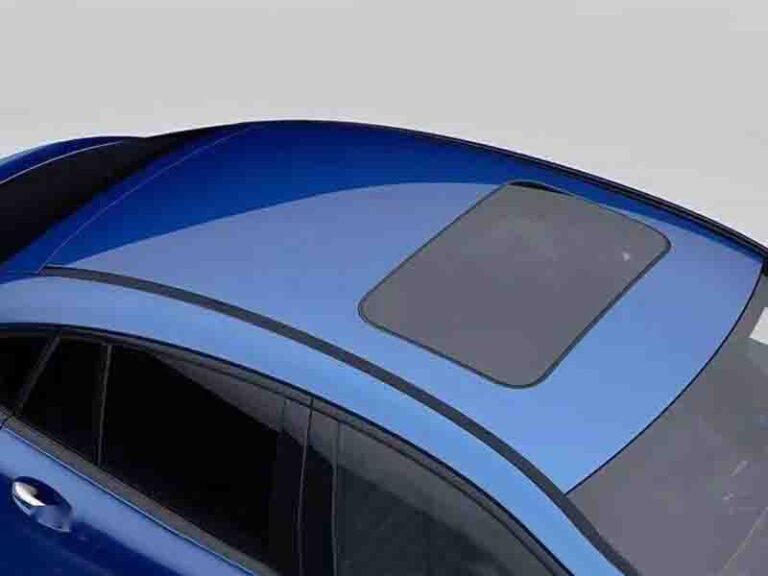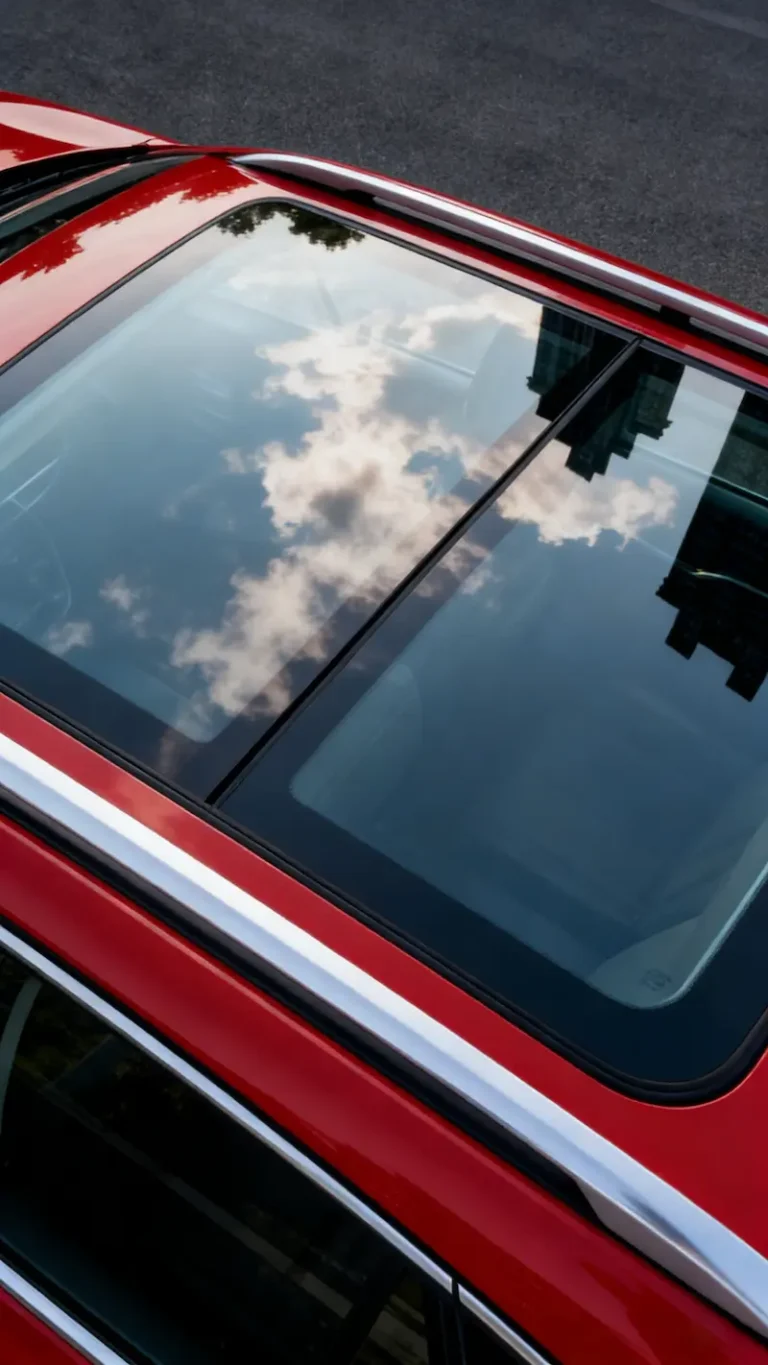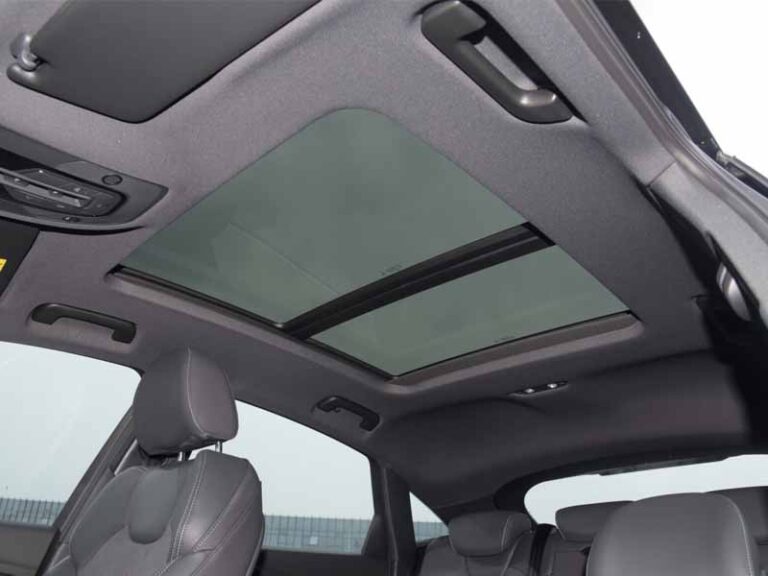
How to import sunroof glass from China
With the continuous development of the global automobile industry, sunroof glass has gradually become the standard of mid-to high-end models from the luxury configuration. As the world’s largest producer and exporter of automobile glass, China is attracting more and more overseas buyers to purchase with its mature supply chain system, leading manufacturing technology, and competitive price.
For auto parts dealers, repair shops, or foreign trade practitioners, China, as the world’s largest auto parts production base, is undoubtedly a good choice for purchasing sunroof glass. However, cross-border import involves logistics, customs clearance, quality control, and other links, and it is necessary to make preparations to successfully complete the procurement.
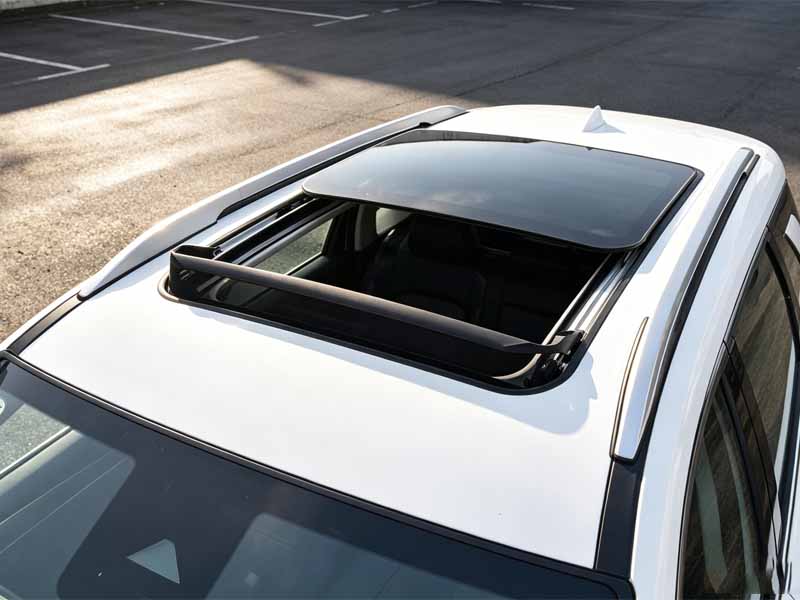
Why did you choose to import sunroof glass from China?
First, the core preparation before import: compliance and demand combing
Before starting purchasing, we must first make clear our compliance requirements and product requirements, which is the basis for avoiding subsequent risks.
Compliance qualification verification: different countries and regions have different import standards for automobile glass. For example, the European Union needs ECE certification and the United States needs DOT certification. sunroof glass produced in China usually comes with these international certifications, but it is necessary to confirm the access requirements of the target market in advance. At the same time, it is necessary to prepare the importer’s qualification documents, such as a business license, import and export right certificate, etc., and in some areas, the consignee needs to be filed in advance.
Confirmation of product parameters: sunroof glass is not a universal accessory, and it needs to accurately match the model, year, and even specific configuration. It is necessary to provide the supplier with detailed parameters such as vehicle model code, glass size, curvature, whether heating wire is taken, whether sunshade track is integrated, etc. If necessary, it can provide photos of the original glass or disassembled physical samples to avoid the return cost caused by inconsistent parameters.
Second, supplier screening: find reliable partners from massive resources.
There are a large number of automobile glass suppliers in China, ranging from large listed companies to small factories. Screening suitable suppliers is the key to successful procurement.
In addition to checking the qualification documents, it is also necessary to verify the production capacity of suppliers, such as whether there is an automated production line, how much annual production capacity, and whether there is a stable supply of raw materials. Suppliers can be required to provide samples, and indicators such as light transmittance, impact resistance, and heat insulation performance of glass can be tested by professional institutions. At the same time, understand the supplier’s after-sales service system, such as whether to provide quality assurance, return policy, and whether there is cross-border logistics cooperation experience.
Third, logistics and customs clearance: the last mile of cross-border transportation
Logistics and customs clearance are the difficulties of cross-border import, and a little carelessness will lead to the delay of goods or extra expenses.
Logistics scheme planning: choose the appropriate transportation mode according to the quantity and timeliness of goods. Small batch samples can choose international express delivery, which is quick in time but high in cost; Large quantities of goods are suitable for sea transportation, with low cost but long cycle, usually taking 20-45 days.

You can entrust a professional international freight forwarder, who can provide door-to-door service, responsible for domestic trailer, customs declaration, shipping, customs clearance, and delivery in the destination country, saving your time and energy.
Preparation of customs clearance materials: Prepare the commercial invoice, packing list, bill of lading, certificate of origin, product certification documents, and other customs clearance materials in advance to ensure that the information is accurate, such as the product name, quantity, and unit price on the invoice, which should be consistent with the contract.
Some countries may need additional documents; for example, the United States needs to submit to the FDA for filing, and the European Union needs to provide a CE certification statement, which should be understood in advance and fully prepared to avoid customs clearance delays due to incomplete information.
Fourth, after-sales and long-term cooperation: establish a stable supply chain relationship.
The completion of procurement does not mean the end of cooperation. Good after-sales service and long-term cooperative maintenance can save costs for subsequent procurement.
Inspection and after-sale: After the goods arrive, the goods should be inspected in time to check whether the packaging is intact, whether the products meet the contract requirements, and whether there are any damages or defects. If you find a problem, you should take photos as soon as possible to keep the evidence, and contact the supplier to negotiate solutions, such as return, compensation, or maintenance. At the same time, keep all transaction documents for possible subsequent dispute handling.
Long-term cooperative maintenance: establishing a long-term cooperative relationship with reliable suppliers can not only get more favorable prices, but also ensure product quality and delivery time. Communicate with suppliers regularly to understand the industry trends and product updates, and jointly optimize the procurement process, such as adjusting the order cycle and optimizing the packaging method, so as to achieve mutual benefit and win-win results.
Houming Sunroof owns the production line of automobile sunroofs, and at the same time undertakes the batch OEM business of customized sunroofs. It can provide full-process supporting support from mold opening design to mass production for special partners such as refitting plants and customized automobile enterprises, to meet the flexible supply demand of such characteristic cooperation channels, and can flexibly adjust the production scheduling plan according to the order scale of the partners to ensure the delivery cycle.
FAQ
Q: How to judge whether the qualifications of overseas suppliers are reliable?
A: Suppliers can be required to provide corresponding industry qualification certificates and past cooperation records, and their registration information can also be inquired through local industrial and commercial associations. If conditions permit, they can also entrust a third party to conduct on-site factory inspection.
Q: How to prevent the sunroof glass from being damaged during transportation?
Answer: It is suggested to use A-frame to fix the glass, with high-density EPE pearl cotton buffer between the glasses, and the outer layer reinforced with wooden boxes and affixed with IPPC logo. At the same time, it is recommended to insure with a premium of 110% and additional risk of breakage.
Q: What are the main advantages of buying our sunroof glass?
A: China’s sunroof glass industry has the world’s leading manufacturing capacity and a mature supply chain system. The procurement cost is usually 20%~40% lower than that of European and American suppliers, and suppliers are more flexible in customization.