Automotive Sunroof Glass Market 2026: The Ultimate Sourcing Guide for Procurement Professionals
The global automobile sunroof glass market is experiencing unprecedented growth. According to industry data, the global sunroof glass market has reached about 12.3 billion US dollars in 2025, and it is expected to climb to 18.6 billion US dollars in 2032, with a compound annual growth rate (CAGR) of 6.08%.
For sunroof buyers, 2026 is both a year of opportunity and a year of challenge-the penetration rate of panoramic sunroofs has exceeded 31%, the technology of smart glass has accelerated, and the supply chain pattern has continued to evolve.
- Panorama of automobile sunroof glass market: scale and growth momentum
- Material and technology selection: smart glass trend of the automobile sunroof glass market
- Guide to the whole process of purchasing strategy and cost optimization in the automobile sunroof glass market
Panorama of automobile sunroof glass market: scale and growth momentum
Market size and growth trend
In 2025, the global market value of automobile sunroof glass is about 12.3 billion US dollars, among which the OEM (original equipment manufacturer) channel accounts for more than 70% of the market share, and it is the absolute main market.

As consumers’ demand for interior lighting, space sense, and luxury experience continues to rise, sunroofs have gradually evolved from a high-end feature to the “standard” feature of mid-to high-end models. It is estimated that by 2032, the market scale will exceed $18.6 billion, and the compound annual growth rate will remain above 6%.
Panoramic sunroof: the fastest-growing segment
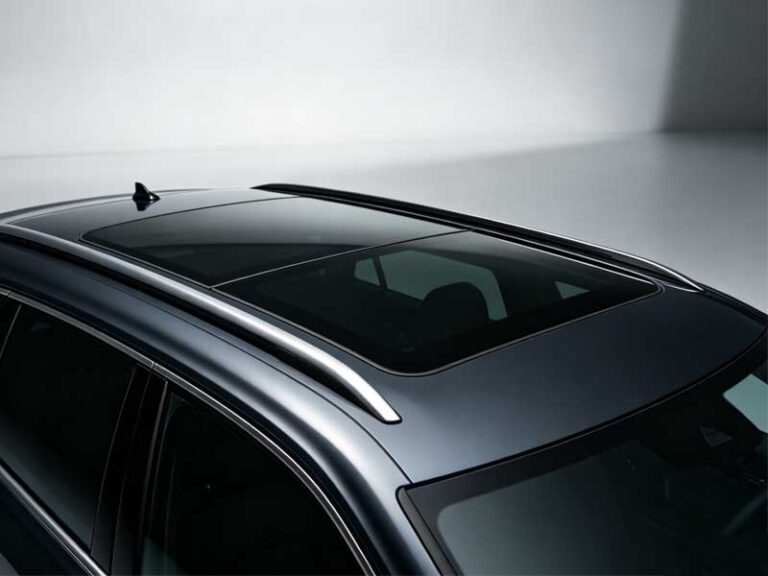
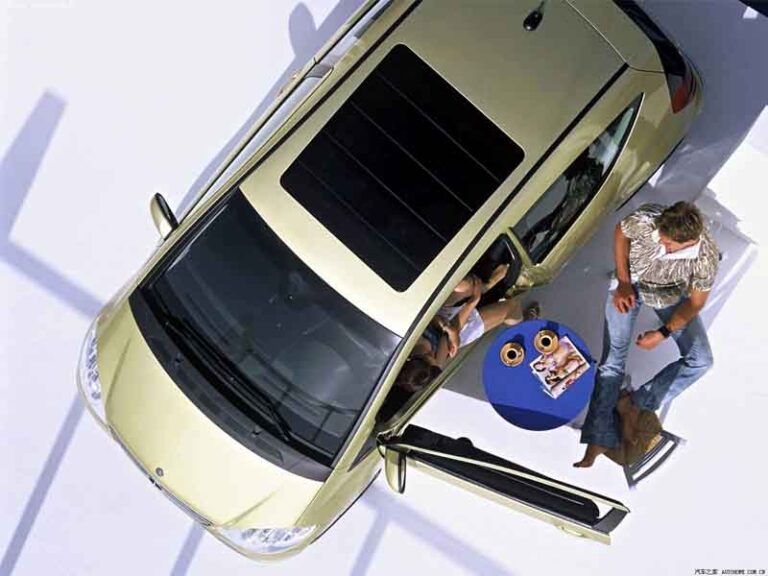
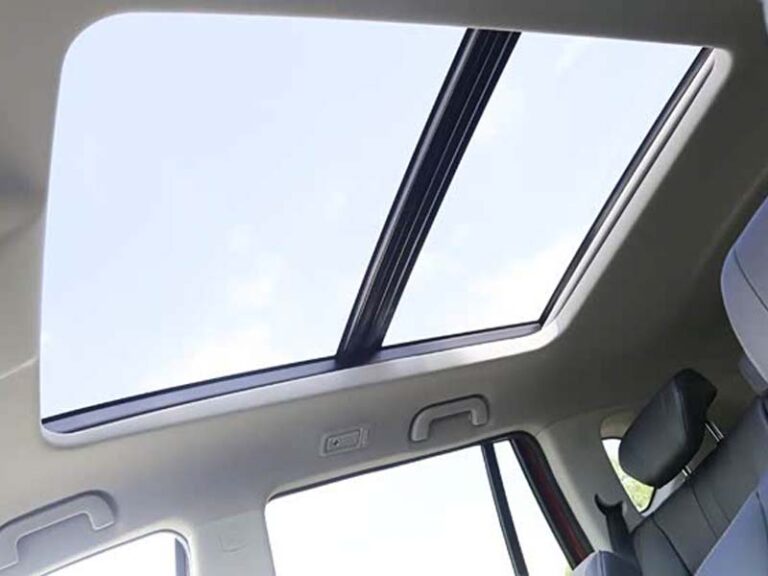
Among all kinds of sunroof products, panoramic sunroofs are the fastest-growing sub-category. In 2025, the penetration rate of panoramic sunroofs in new cars has reached 31%, and it is expected to further increase to 46% by 2033.
Behind this trend, SUVs and crossover vehicles continue to sell well in the global market. SUVs have accounted for more than 45% of global new car sales, and a panoramic sunroof is one of the most sought-after configurations in this market segment.
Key dimensions for buyers to screen suppliers
1. Production scale and capacity layout
Whether a supplier has multiple production lines and production bases in multiple regions is directly related to the stability of order delivery. It is suggested that suppliers with production capacity in Asia-Pacific, Europe, and North America should be given priority to reduce geopolitical and logistics risks.
2. Quality certification system
Sunroof glass involves driving safety and must meet strict laws and regulations. The purchaser shall mainly check whether the supplier has obtained the following certifications:
FMVSS 216 (American Federal Motor Vehicle Safety Standard-Roof Compressive Strength)
ECE R43 (Economic Commission for Europe-Automobile Glass Safety Regulation)
ISO 9001/IATF 16949 (quality management system of automobile industry)
3. Technology R&D and customization capabilities
Different models have different requirements for sunroof glass: new energy vehicles need a higher thermal insulation rate to reduce air conditioning energy consumption, and hardcore off-road vehicles need stronger impact resistance.
Whether a supplier can quickly adjust the production process and develop customized products according to customer needs is an important criterion for measuring its overall strength.
Material and technology selection: smart glass trend of the automobile sunroof glass market
Comparison of mainstream materials
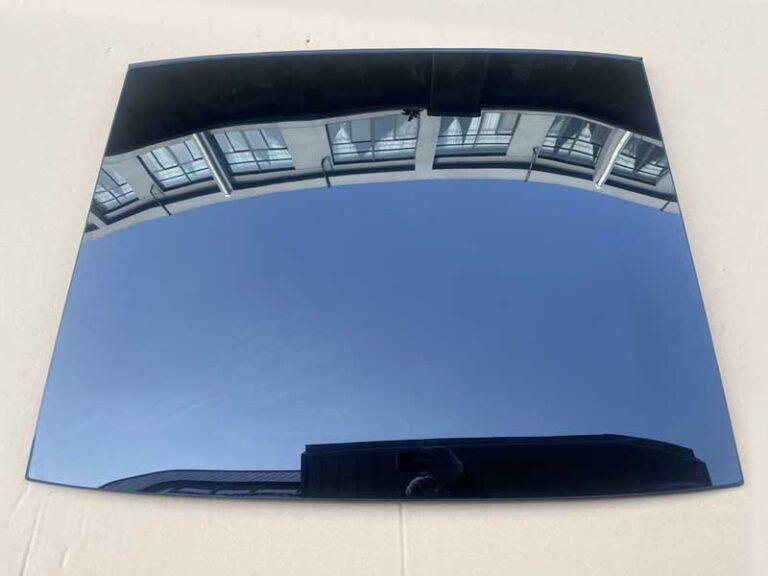
The choice of the core material of sunroof glass directly affects the cost, safety, and user experience. At present, the two mainstream materials on the market-tempered glass and laminated glass-have their own advantages and disadvantages.
| Contrast dimension | Tempered glass | Laminated glass |
| Market share | ~54% | ~35% |
| Cost | lower | Higher (about 20-30% higher) |
| Security | Crushed into fine particles, reducing the damage. | The broken fragments adhere to the intermediate film and do not splash. |
| Sound insulation value | common | Excellent (PVB intermediate film effectively reduces noise) |
| Heat-proof quality | Dependent coating | The intermediate film can integrate heat insulation function. |
| Applicable scenario | Small and medium-sized sunroofs and economical models | Panoramic sunroof, high-end models |
Procurement suggestion: for low-end models or cost-sensitive procurement projects, tempered glass is a cost-effective choice; For high-end models, panoramic sunroofs, or projects with strict requirements on NVH (noise, vibration, and acoustic vibration roughness), it is recommended to give priority to laminated glass.
Smart glass: the future trend that cannot be ignored.
Electrochromic EC) glass is becoming an important growth point in the sunroof glass market. In 2025, EC technology has occupied about 48% of the dimmable sunroof glass market. It is estimated that by 2030, the penetration rate of the dimmable sunroof glass market will increase from the current 1.6% to 10%.
The core advantages of EC glass are:
1. The dimming state can be maintained without continuous power supply, and the energy consumption is extremely low.
2. The solar thermal gain coefficient (SHGC) is well controlled, which can effectively reduce the indoor temperature.
3. Cooperate with the thermal management system of electric vehicles to reduce the air conditioning load and extend the cruising range.
Enlightenment for buyers: Although the cost of smart glass is relatively high at present (an integrated system may increase the car price by hundreds to thousands of dollars), with the maturity of technology and the appearance of scale effects, it is expected that the penetration rate in the mid-end market will reach more than 35% around 2028.
Buyers are advised to establish cooperation with suppliers with EC technical capabilities in advance to prepare for future product upgrades.
Guide to the whole process of purchasing strategy and cost optimization in the automobile sunroof glass market
Cost composition and optimization space
The purchase cost of sunroof glass mainly consists of the following parts:
Cost of raw materials (original glass sheet, coating material, PVB intermediate film, etc.): about 50-60%.
Manufacturing cost (cutting, tempering/laminating, coating, testing, etc.): about 25-30%.
Logistics and packaging costs: about 10-15%
Management and profit: about 5-10%
Suggestions for cost optimization
1. Directly connect the source factory and reduce intermediate links.
Although the process of purchasing through middlemen is simple, it usually generates a channel premium of 15-25%.
Establishing direct cooperation with production plants can not only obtain better quotations but also enable quality traceability and flexible customization. For large-scale centralized procurement, the unit production cost will be significantly reduced due to the scale effect.
2. Pay attention to the cost performance of Low-E coating technology.
High-quality Low-E coating technology can effectively block ultraviolet and infrared rays and greatly reduce heat transfer in the car without obviously affecting the visible light transmittance.
Although the unit price of coated glass is higher, it can reduce the air conditioning load of the whole vehicle and improve energy efficiency, which is particularly important for electric vehicle customers.
3. Reasonable planning of order batch and delivery cycle.
Different factories have different requirements for MOQ-some factories can arrange production with 50 pieces, which is suitable for small-batch trial production;
Others require thousands of pieces to order. Buyers should negotiate reasonable MOQs and rolling delivery plans with suppliers according to their own needs, so as to avoid overstocking or supply failure.
4. Establish a multi-source supply system to reduce the risk of single dependence
At present, the four major suppliers control 71% of the global sunroof glass supply, and the risk of supply chain concentration can not be ignored. It is suggested that buyers cultivate at least 2-3 qualified suppliers, at least one of which is a regional small- and medium-sized supplier, so as to enhance the resilience of the supply chain.
Key nodes of procurement process
| Stage | Key action | Matters need Attention |
| Supplier initial screening | Check qualification certification, production capacity scale and customer cases. | Focus on IATF 16949 and ECE R43 certification. |
| Sample confirmation | Provide vehicle model parameters and require proofing test. | Confirm the size, curvature, mounting hole position and sealing strip matching degree. |
| Small batch trial production | Arrange 50-200 pieces of trial production to verify the yield. | Pay attention to optical properties (transmittance, haze) and mechanical properties. |
| Bulk purchase | Sign a framework agreement to lock in the price and delivery cycle. | Agreed price adjustment mechanism (to deal with fluctuations in raw materials) |
| Continuous monitoring | Regularly review supplier quality system and delivery performance. | Establish KPI assessment mechanism (yield, on-time delivery rate, etc.) |
FAQ
Q: How to choose tempered glass and laminated glass when purchasing sunroof glass?
A: Tempered glass has a low cost and is suitable for economical models and small-size sunroofs. Laminated glass has better sound and heat insulation performance, which is suitable for panoramic sunroofs and high-end models. At present, tempered glass accounts for about 54% of the market, and laminated glass accounts for about 35%.
Q: How long is the lead time for customized sunroof glass?
A: Regular-size products can be delivered in 7-10 days, and the delivery period for special customized models is 15-30 days, according to the complexity. Houming Sunroof can flexibly adjust its production capacity according to the order priority.
Q: How to ensure the long-term reliability of products?
A: Houming sunroof adopts the float glass original sheet+tempering process. After 1000 hours of ultraviolet aging tests and temperature cycle tests, the product warranty period is as long as 3 years, far exceeding the industry average.