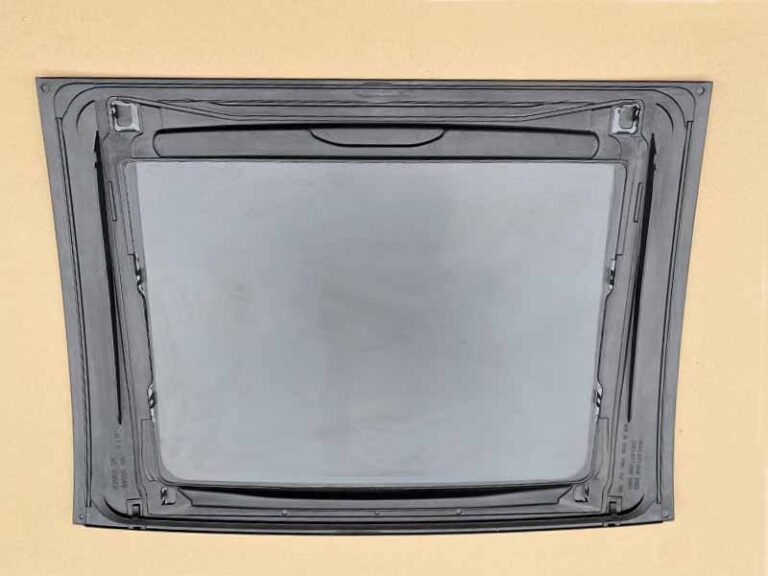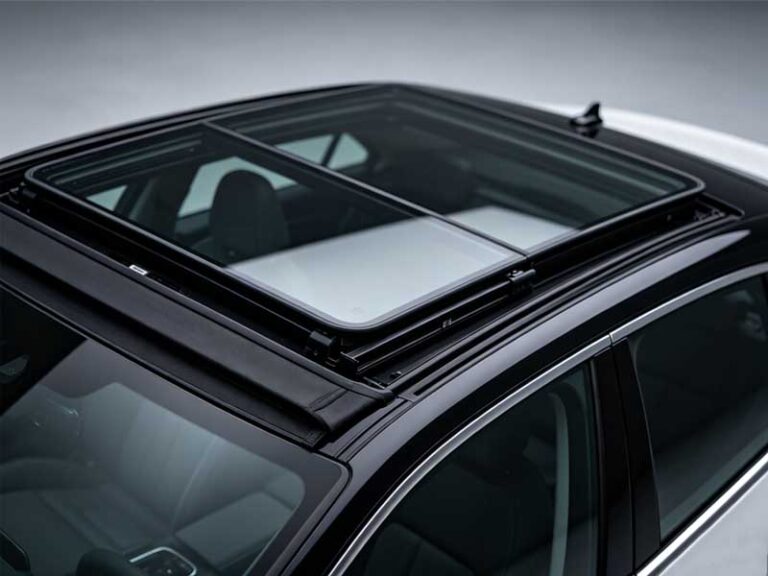
The Guide to Panoramic Sunroof Types: Fixed & Sliding
As a core link in the automobile supply chain, the selection of a panoramic sunroof system directly affects the market competitiveness, manufacturing cost, and user reputation of the whole vehicle.
In the field of panoramic sunroofs, fixed and sliding are the two most widely used technical routes in the current market, and there are significant differences between them in design concept, performance, and supply chain management.
- Deep comparison of technical characteristics of panoramic sunroof: core differences and supply chain impact
- Cost structure analysis: the core dimension of purchasing decision
- Adaptive Scene and Purchasing Strategy of Panoramic Sunroof: Precise Matching Vehicle Positioning
- Market trend and future prospect of panoramic sunroof: a forward-looking perspective of purchasing decision
Deep comparison of technical characteristics of panoramic sunroof: core differences and supply chain impact
Fixed panoramic sunroof: the engineering advantage of minimalist structure
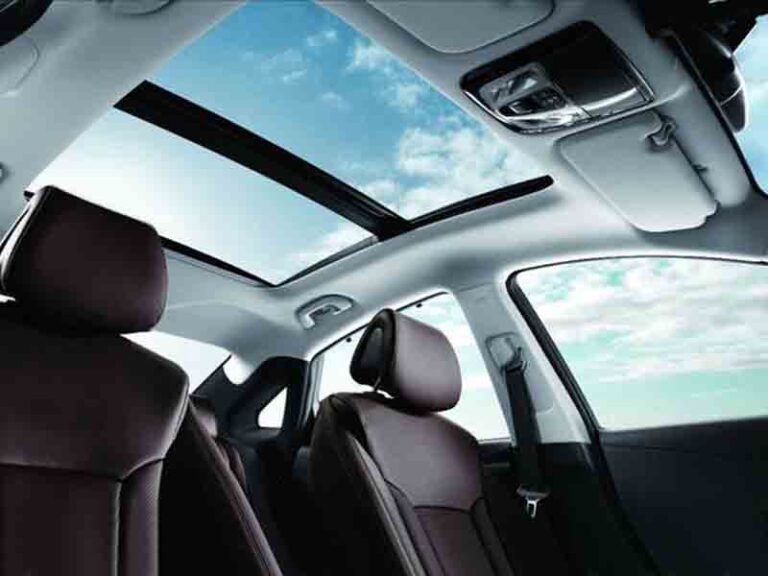
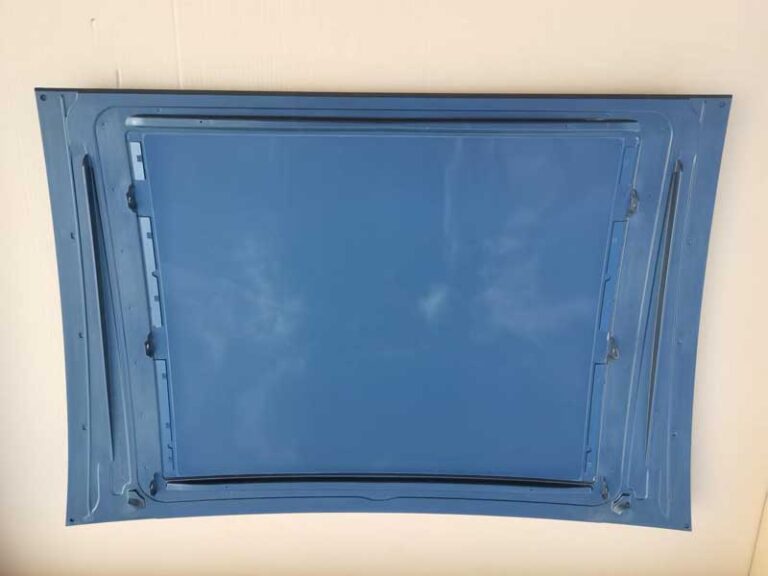
The core design logic of the fixed panoramic sunroof is “de-mechanization”, which covers the roof area with a whole piece of glass, leaving only the sealing and sunshade system of the foundation. The core advantages of this design are:
Structural stability: there are no mechanical moving parts, which avoids the problems of sliding rail wear and motor failure, and the system reliability is higher.
Lightweight performance: due to the elimination of the complex driving system, the overall weight is lighter, which is helpful to achieve the goal of vehicle lightweighting.
Production efficiency: fewer parts, a simpler assembly process, suitable for large-scale assembly line production, and can effectively improve production capacity.
Design flexibility: the complete glass surface provides more creative space for body design, which can realize smoother roof lines.
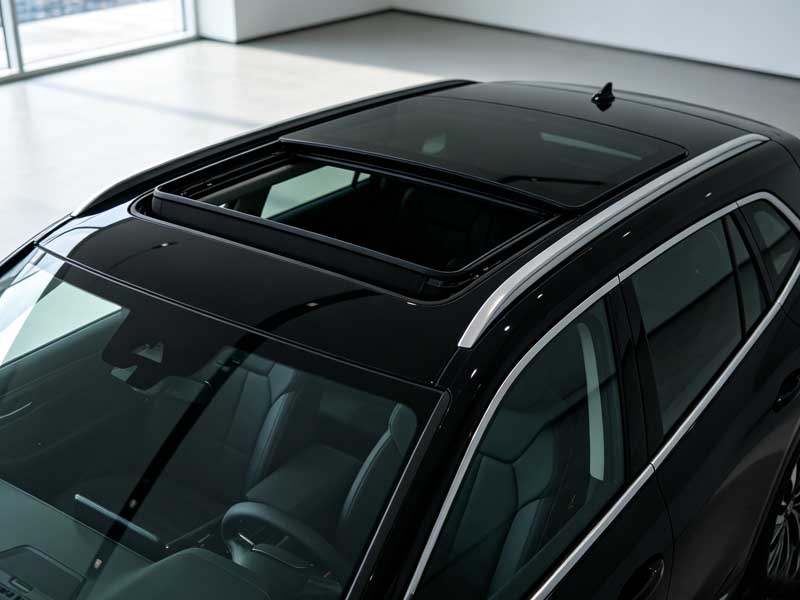
From the perspective of the supply chain, the fixed sunroof has relatively broad technical requirements for suppliers, and it is less difficult to purchase and manage, and it is easier to realize the diversified layout of the supply chain.
Sliding panoramic sunroof: technical challenge of multifunctional design
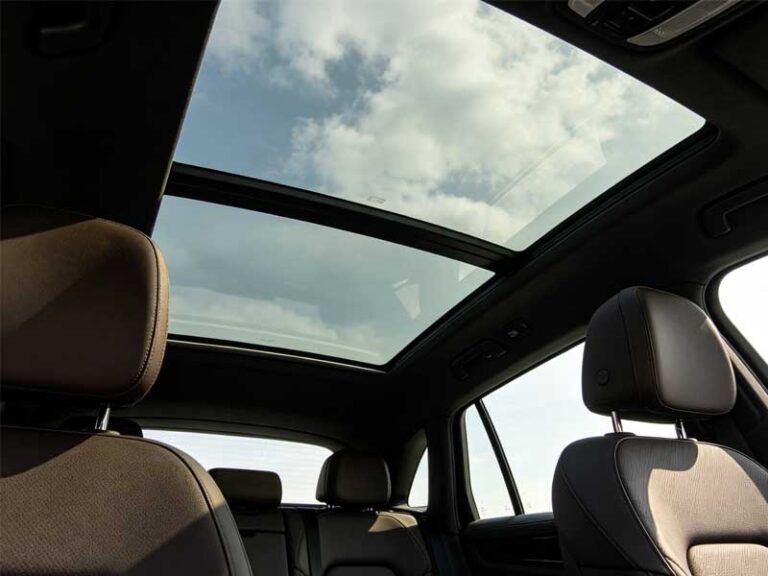
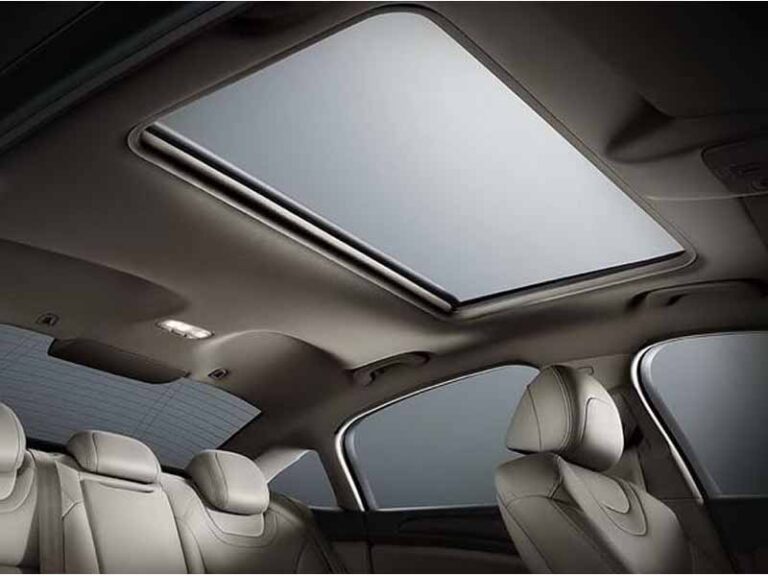
The sliding panoramic sunroof centers on “functional diversity” and delivers multiple opening modes through complex mechanical systems. The core features of this design include:
Functional richness: it supports multiple opening modes and can meet the ventilation and lighting needs of users in different scenes.
Technical complexity: It involves many systems such as motor drive, precision guide rail, anti-pinch sensor, etc., which require extremely high manufacturing technology.
Sealing requirements: it is necessary to deal with the sealing problem in the process of glass sliding, and the requirements on the material and installation process of sealing strip are stricter.
User experience: the dynamic opening mode can create a driving experience closer to the convertible and enhance the user’s perceived value.
The supply chain of sliding sunroofs is more complex, which requires the cooperation of professional precision machinery suppliers, and puts forward higher requirements for suppliers’ quality management and delivery ability.
Cost structure analysis: the core dimension of purchasing decision
Fixed sunroof: lower life cycle cost
The cost advantage of a fixed panoramic sunroof is reflected in many links in the whole life cycle:
Procurement cost: the number of parts is small, the technical threshold is low, and the procurement price is more competitive.
Manufacturing cost: simplify the assembly process, reduce the staffing of the production line, and reduce the manufacturing cost of the whole vehicle.
After-sales cost: low mechanical failure probability, less after-sales maintenance demand, and lower long-term use cost.
Logistics cost: lighter weight, less resource consumption during transportation, and lower overall logistics cost.
For vehicles that pay attention to cost control, the fixed sunroof can effectively optimize the cost structure of the whole vehicle and enhance the price competitiveness of the products.
Sliding sunroof: return on investment of high-value configuration
Although the purchase cost of sliding sunroof is higher, it can bring higher value return to the whole vehicle:
Product premium: As a mid-to-high-end configuration, it can improve the market positioning of models and bring higher price space.
User recognition: Rich functions can better meet the diverse needs of users and help to improve user satisfaction and brand loyalty.
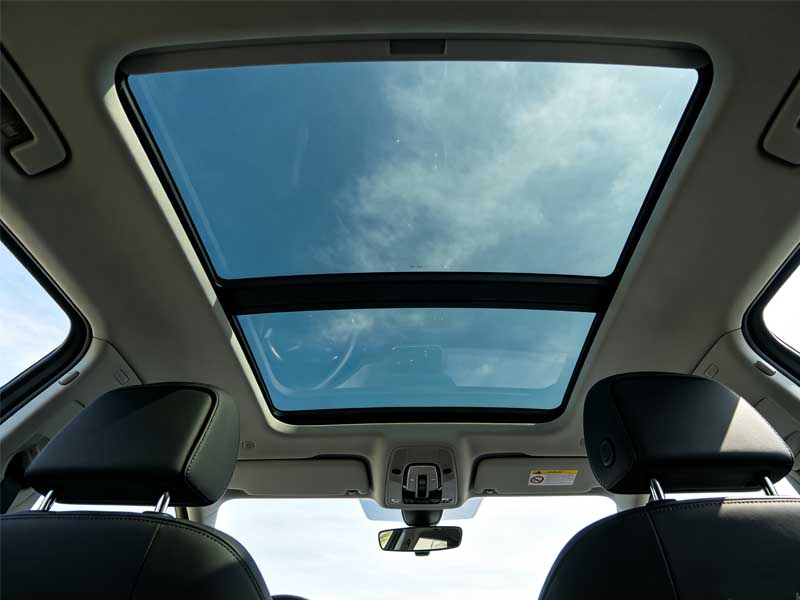
Market competitiveness: In the middle- and high-end market, a sliding sunroof has become the mainstream configuration and an important means of product differentiation competition.
Technical reserve: mastering the supply chain resources of sliding sunroofs will help enterprises to lay out a higher level of intelligent sunroof technology.
For mid-to-high-end vehicles, a sliding sunroof has a higher return on investment, which can effectively enhance the market competitiveness of products.
Adaptive Scene and Purchasing Strategy of Panoramic Sunroof: Precise Matching Vehicle Positioning
Adapting Scenarios and Purchasing Points of Fixed Sunroofs
A fixed sunroof is more suitable for the following types of vehicles:
Economical vehicle type: the core goal is to control the cost, and the requirements for sunroof function are relatively basic.
Urban commuter models: pay attention to practicality and reliability, and have low demand for complex functions.
New energy vehicles: Lightweight design helps to improve endurance, which is in line with the technical direction of new energy vehicles.
Shared travel vehicles: low failure rate and maintainability are the core requirements, which can reduce operating costs.
Adaptive Scenarios of Sliding sunroofs and Key Points of Purchasing
A sliding sunroof is more suitable for the following types of vehicles:
Mid-to-high-end models: Pay attention to user experience and product premium ability, and enhance product competitiveness through configuration.
Household SUV models meet the diverse needs of family users and enhance the transparency of the interior space.
Luxury brand models, as part of a high-end configuration, enhance brand image and user-perceived value.
Sports model: Create a more dynamic driving experience and satisfy users’ pursuit of driving pleasure.
Market trend and future prospect of panoramic sunroof: a forward-looking perspective of purchasing decision
Current market structure and trend
At present, the penetration rate of panoramic sunroofs in the market continues to increase. Fixed sunroofs occupy the mainstream market by virtue of their cost advantages, while sliding sunroofs maintain steady growth in the middle- and high-end market.
In the future, with the intelligent development of automobiles, the sunroof system will evolve in the direction of multi-functionality and intelligence, and integrate more innovative functions.
Technological innovation direction
Intelligent dimming technology: glass technology with adjustable light transmittance will be gradually popularized, taking into account the needs of lighting and shading.
Integrated design: the sunroof will be integrated with other functional modules of the roof to realize more innovative applications.
Application of new materials: the use of lightweight and environmentally friendly materials will further improve the performance of sunroofs.
Intelligent control: Intelligent technologies such as voice control and automatic induction will be integrated into the sunroof system to enhance the user experience.
The selection of a panoramic sunroof needs to consider technical performance, cost structure, and market demand comprehensively. A fixed sunroof is suitable for cost-effective vehicles because of its advantages of low cost and high reliability.
Sliding sunroofs have become the first choice for mid-to-high-end models because of their versatility and high premium capacity.
Purchasing decision-makers should formulate an accurate sunroof purchasing strategy according to vehicle positioning, so as to achieve a balance between cost control and market competitiveness.
FAQ
Q: How do fixed and sliding sunroofs match vehicle positioning?
A: The economic models that pay attention to cost control are preferred to be fixed; Pursuing premium and user experience, mid-to-high-end vehicles adapt to a sliding type.
Q: What are the key points for controlling the core cost of sunroof procurement?
A: Give priority to locking long-term prices through centralized procurement; Simplify the level of the supply chain and give priority to the choice of integrated solution suppliers.
Q: How to balance the quality, reliability, and procurement cost of sunroofs?
A: Establish a hierarchical supplier system. Head suppliers are selected for core components, and cost-effective suppliers can be introduced for non-core components.