Panoramic Sunroof Toyota vs Standard Sunroof: Is the Upgrade Worth It?
When buying a new Toyota car, the sunroof is often one of the configurations that many consumers weigh repeatedly. As a traditional configuration, ordinary sunroofs have been proven by the market for decades.
In recent years, panoramic sunroofs, which are highly sought after, have quickly won many people over with their large, transparent glass view. However, is it worthwhile to upgrade from an ordinary sunroof to a panoramic sunroof? This article will analyze the Houming sunroof from four dimensions.
- Structural differences between Toyota panoramic sunroof and traditional sunroof
- Configuration, orientation, and value consideration of the Toyota sunroof
- Adapt to the scene: A panoramic sunroof upgrade can achieve a clear value of customer positioning
- Maintenance and long-term reliability of automobile sunroof: hidden cost that can not be ignored
Structural differences between Toyota panoramic sunroof and traditional sunroof
In the global automobile supply chain, automobile sunroof, as an optional configuration to enhance the cockpit experience, has always been the focus of mass buyers. For the sunroof configuration options provided by Toyota models, it is necessary to clarify the official definition and structural differences of the two products first.
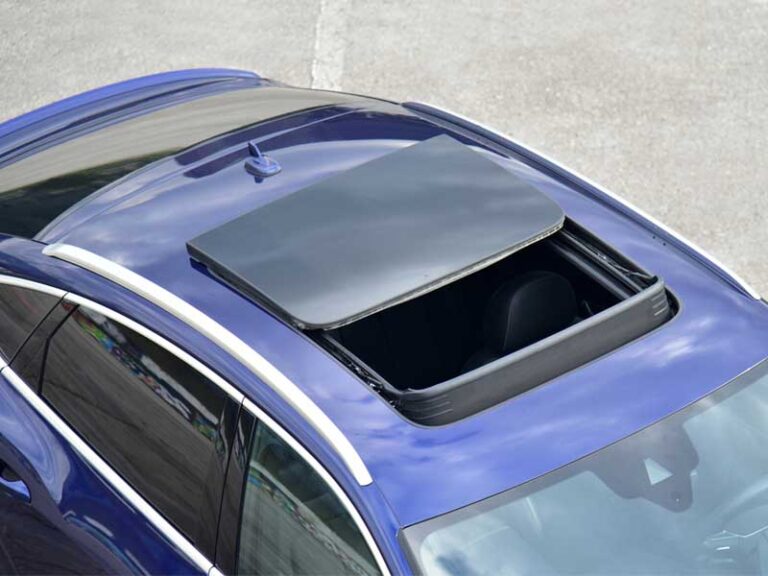
According to Toyota’s official configuration specification, the traditional standard sunroof is designed as a supporting facility for the front cockpit, and its lighting and opening area only cover the top of the front passenger’s head; the openable area is usually maintained in the range of 0.3 to 0.5 square meters.
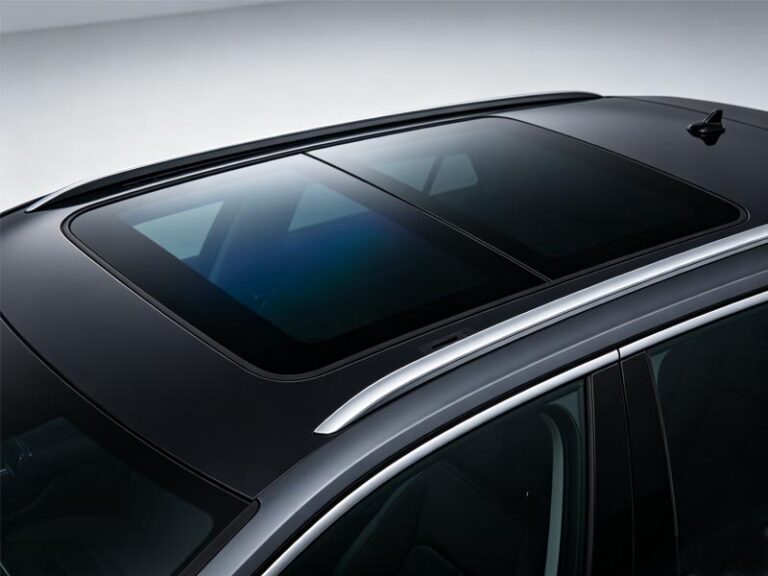
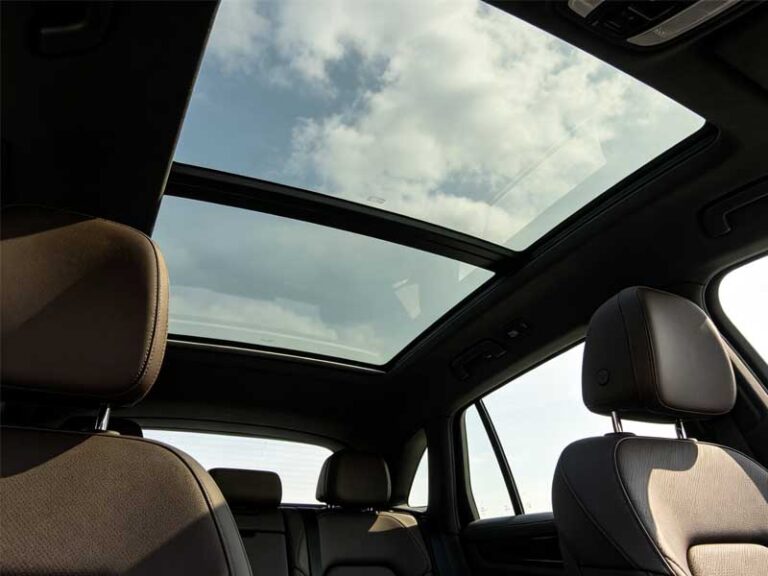
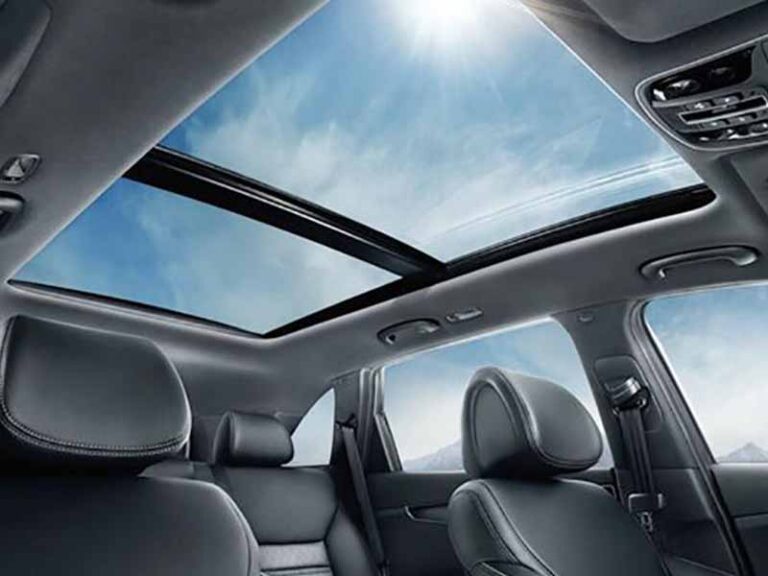
Most entry-level versions only support tail-tilting ventilation, and only a few high-profile versions support full sliding opening. At present, Toyota’s panoramic sunroof is designed by subsection integration, covering the entire cockpit top from the front row to the back row, and the overall lighting area generally exceeds 1 square meter.
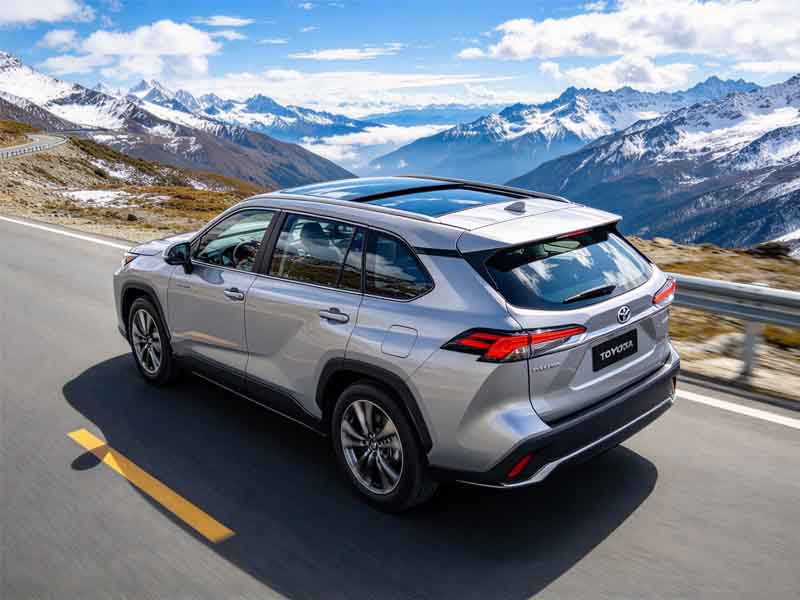
On medium and large models such as Highlander and Saina, the openable area is close to 1.2 square meters, realizing the transparent design of the entire roof.
In addition to the area difference, there are essential differences in material and structural design: traditional standard sunroofs mostly use single-layer tempered glass with a manual sun visor, without special heat insulation treatment;
Toyota’s mass-produced panoramic sunroofs are all equipped with tempered glass with a thermal insulation coating, which can block more than 80% of ultraviolet rays and more than 90% of infrared radiation.
Even if it is exposed for a long time in summer, it can effectively avoid the high temperature at the top of the cockpit. Toyota has optimized the roof frame of the panoramic sunroof model in view of the car body rigidity problem that the industry is generally concerned about.
The panoramic sunroof glass can help improve the roof bearing capacity under the rolling condition of the vehicle, and the head protection ability of the occupant is not lower than that of the traditional standard sunroof model.
It should be noted that Toyota panoramic sunroofs are divided into two types of products: one is a fixed glass panoramic sunroof, which is low in price but does not support the opening function; The other is the openable panoramic sunroof, which is the upgrade option discussed in this paper. It needs to increase the extra cost on the basis of the standard sunroof and meet market demand with higher requirements for ventilation and lighting.
Configuration, orientation, and value consideration of the Toyota sunroof
In Toyota’s product series, ordinary sunroofs usually appear on mid-range models as standard or optional configurations to improve comfort.
Panoramic sunroofs, on the other hand, are often only equipped on high-profile or top-profile vehicles, which are often accompanied by other differences in comfort and technology configuration, so the overall price difference is more significant.
For consumers with limited budgets, whether this extra investment is worthwhile needs to be judged in combination with their own car scenes.
Ordinary sunroof: The configuration threshold is low, the function is practical, and it is suitable for users with low demand for sunroofs or a relatively tight budget.
Panoramic sunroof: The configuration threshold is high, but it provides a visual space experience and cockpit atmosphere far beyond ordinary sunroofs, which is suitable for users who pay attention to quality and driving ceremony.
Adapt to the scene: A panoramic sunroof upgrade can achieve a clear value of customer positioning
Combined with feedback from Toyota owners in different markets around the world, more than 70% of buyers and end users who upgraded to a panoramic sunroof gave positive comments on the upgrade effect. In the following scenarios, upgrading to a panoramic sunroof can achieve a clear return on investment:
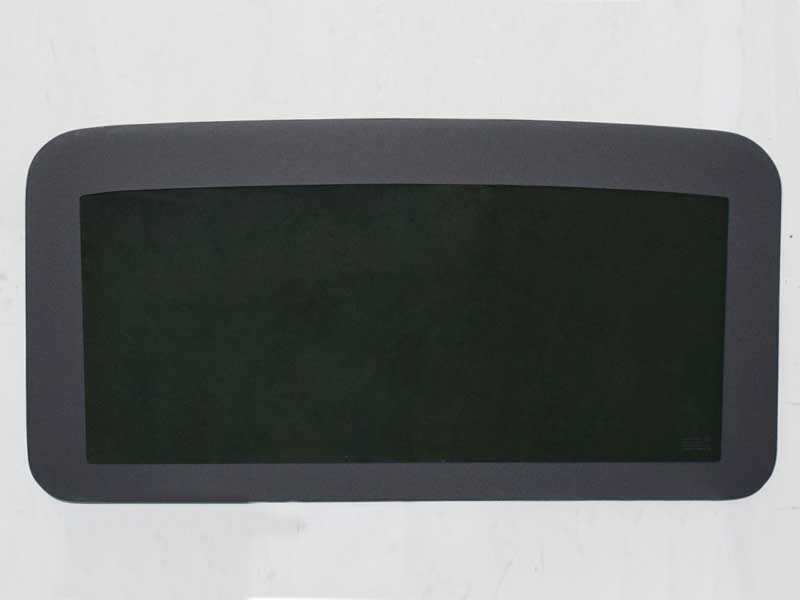
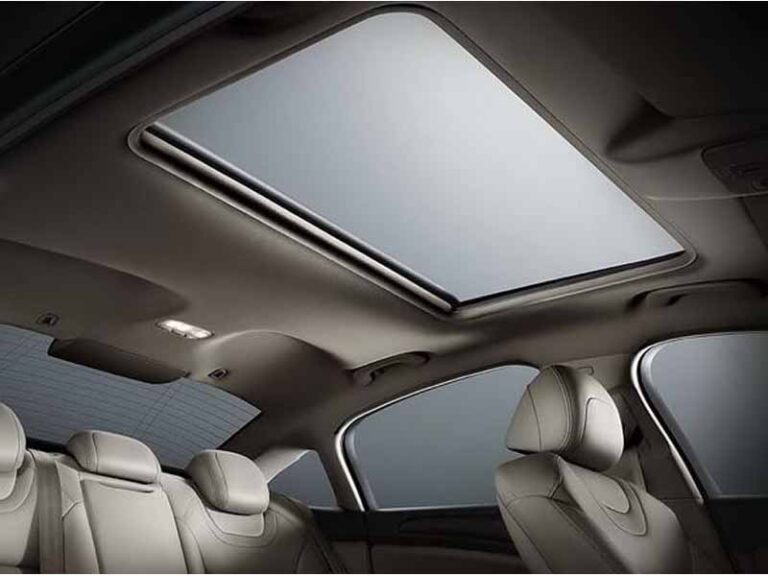
Terminal vehicle procurement for the home market. The core value of a panoramic sunroof is to eliminate the depression in the rear cockpit. For large-space vehicles such as SUV and MPV, panoramic sunroof can greatly improve the riding comfort of rear passengers, reduce the probability of motion sickness of passengers during long-distance travel, and improve the overall satisfaction of family users.
For the home-based terminal market, this configuration can effectively improve the competitiveness and transaction conversion rate of the models, and the upgrade investment can be quickly covered by the increase in the terminal price.
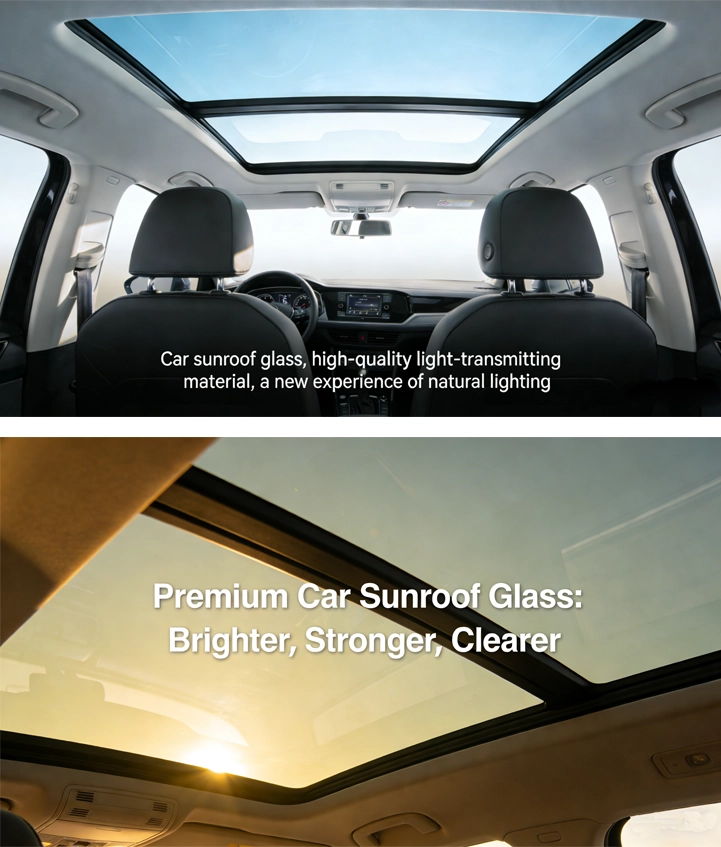
Vehicle demand for outdoor leisure and tourism scenes. With the development of the global outdoor leisure industry, more and more end users pay attention to the adaptability of vehicles for camping and travel. After the Toyota panoramic sunroof is fully opened, the rear roof can be fully transparent.
When parking and camping, the occupants can directly observe the starry sky in the car, and natural lighting can also enhance the photography and leisure experience in the car. This configuration has a clear appeal to outdoor-loving user groups.
Long-term storage in an indoor garage, low outdoor exposure scene. For customers who have long-term indoor parking conditions, such as corporate procurement and high-end users, the thermal insulation disadvantage of a panoramic sunroof will hardly be noticeable.
Toyota’s thermal insulation glass can fully meet daily use needs, but it can ventilate quickly through the sunroof in summer, reducing air conditioning energy consumption and improving the user experience.
Fourth, the vehicle configuration scheme with a light interior. In recent years, the penetration rate of light-colored interiors in the global passenger car market has continued to increase.
The combination of light-colored interiors and a panoramic sunroof can greatly enhance the brightness and advanced feeling of the cockpit and avoid the sense of oppression caused by dark-colored interiors. The two are highly complementary configurations. If the terminal model chooses light-colored interiors, the panoramic sunroof is almost necessary to upgrade.
From the market feedback, a clear law can be summarized: the higher the frequency of vehicle use and the larger the number of passengers, the more prominent the value of panoramic sunroof; It is difficult to give full play to the advantages of the scene that only one person commutes.
Maintenance and long-term reliability of automobile sunroof: hidden cost that can not be ignored
Risk of water leakage
A leaking sunroof is one of the most worrying problems for all car owners. The structure of an ordinary sunroof is relatively simple; the maintenance of the sealing strip and drainage pipeline is relatively easy, and the probability of water leakage after long-term use is low.
However, the panoramic sunroof has a higher risk of water leakage after long-term use because of its large glass area, longer sealing strip, and more complicated drainage system.
Toyota has always been known for its reliability in quality control, but if the drainage hole of panoramic sunroof is blocked by dust or sundries, it may still cause rainwater to seep into the car. It is recommended that the owner regularly check the sunroof drainage pipeline to ensure unimpeded.
Maintenance and replacement costs
If the sunroof fails, the maintenance cost is another factor that needs to be considered. The replacement cost of the motor, guide rail, and glass of an ordinary sunroof is relatively low, and the supply of accessories is more adequate.
The glass panel of a panoramic sunroof has a large area and complex structure. Once it is damaged by external force, the replacement cost will be significantly higher than that of an ordinary sunroof.
The long-term maintenance cost of a panoramic sunroof is higher than that of an ordinary sunroof, but the reliability of a Toyota panoramic sunroof is still trustworthy as long as regular maintenance is done. It is suggested to pay attention to the extended warranty service when buying a car to reduce the potential maintenance risk.
FAQ
Q1: What is the biggest difference between a Toyota panoramic sunroof and an ordinary sunroof?
A: The biggest difference lies in the area and visual experience. Panoramic sunroofs usually extend from the front row to the back row, covering an area far exceeding that of ordinary sunroofs, which can significantly improve the lighting and space transparency in the car; The ordinary sunroof is only located above the front row and has a small area. Its main function is ventilation.
Q2: Can Toyota’s panoramic sunroof be opened?
A: It depends on the specific model. Some models have a fixed design and cannot be opened; On the other hand, some models provide an openable panoramic sunroof, and the first half can be slid open for lighting and ventilation.
Q3: Will the panoramic sunroof leak more easily?
A: Due to the larger glass area, longer sealing strip, and more complicated drainage system of the panoramic sunroof, the risk of water leakage after long-term use is theoretically higher than that of an ordinary sunroof. However, as long as the drainage pipeline is cleaned regularly and the sealing strip is kept intact, the reliability of the Toyota panoramic sunroof is still trustworthy.