How to Fix Common Auto Sunroof Leaks in 5 Simple Steps
Water leakage from the auto sunroof will cause the seats and carpets in the car to be soaked and moldy, and may also seep into the control module along the gap in the roof to damage the circuit. Long-term water accumulation may even lead to the corrosion of the metal frame on the roof, which will affect the structural safety of the vehicle.
Many car owners’ first reaction to this problem is to spend money on maintenance points for an overhaul. In fact, most common auto sunroof leaks can be solved by themselves in just a few minutes.
Step 1: Accurately locate the source of water leakage.
To solve the problem of a leaking auto sunroof, we must first find out what the problem is. The most common reasons are these:
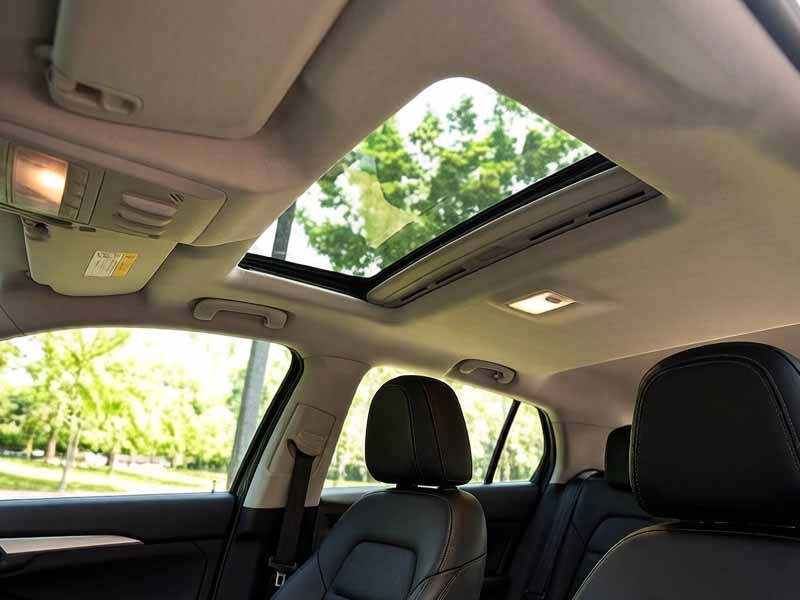
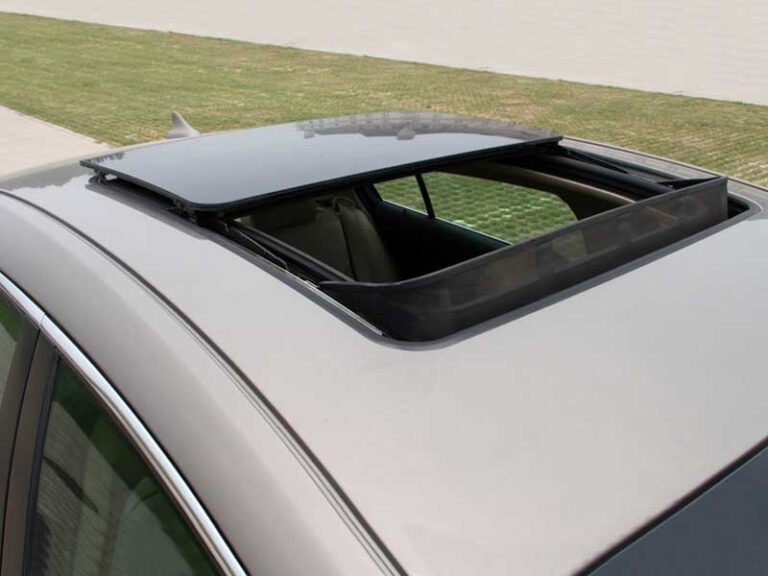
Blockage of the drainage system: the water guide channel and drainage hole of the auto sunroof frame are easily blocked by fallen leaves, dust, and sediment, and rainwater will seep into the car if it cannot be discharged. You can open the sunroof, check whether there are any sundries accumulated in the water guide tank, and then see if the drainage holes in the four corners (usually near the A-pillar and C-pillar) are unobstructed.
Aging damage of the sealing strip: The sealing strip around the sunroof is the key to preventing water leakage. Long-term exposure to the sun, wind, and rain will make it hard and crack, and the sealing performance will decrease. Touch the sealing strip by hand. If it feels rough and cracked, or if it can’t rebound quickly after pressing, it means it should be replaced.
Dislocation of sunroof installation: If the vehicle has an accident, or the sunroof has been removed, there may be installation dislocation, resulting in poor sealing. In this case, there will be a clear gap between the sunroof and the roof.
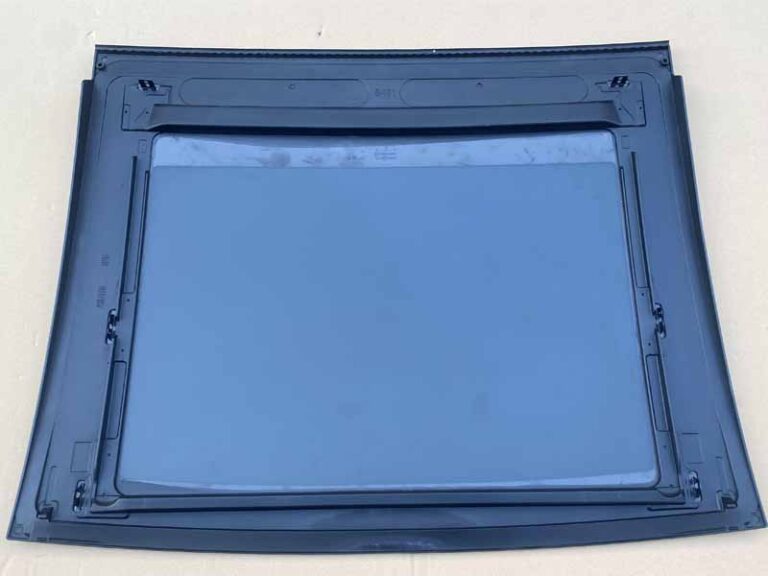
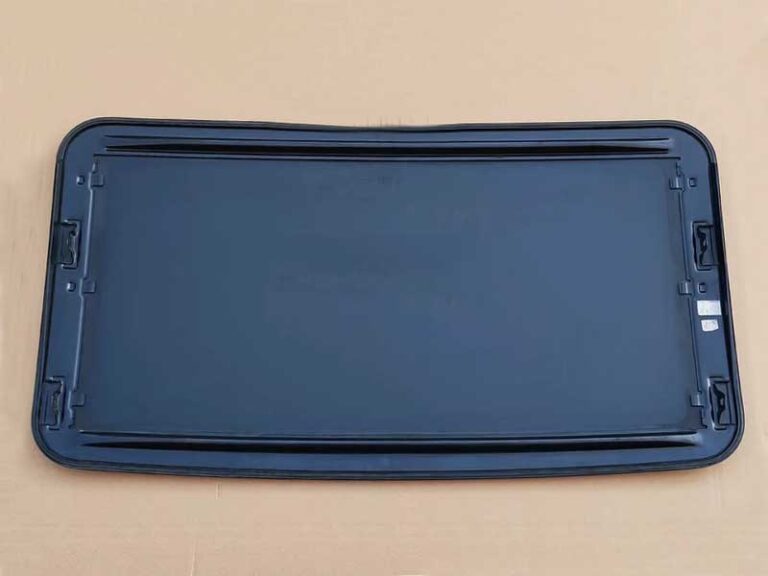
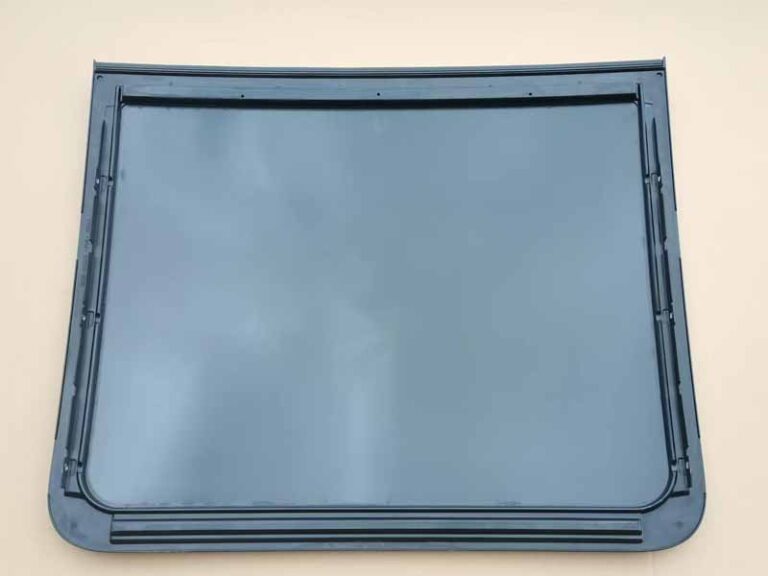
Broken sunroof glass: If there are cracks and gaps in the sunroof glass, rainwater will also seep in from the broken place. Carefully observe the glass surface, especially the edge, to see if there is any visible damage.
Step 2: Clean and dredge the drainage system.
After finding the source of water leakage, we can solve it. If the drainage system is blocked, these steps can be done:
Cleaning the gutter: first, use a soft brush or dry cloth to clean up the fallen leaves, dust, and other sundries in the gutter of the sunroof frame. Be careful not to use a hard brush to avoid scratching the surface of the auto sunroof.
Dredge the drain hole: prepare a slender soft iron wire or a special drain hole dredge, gently insert it into the drain hole, and slowly stir it to push out the blockage inside. If there are no tools, you can also use a high-pressure air gun to blow at the drainage hole to blow out the sundries, but pay attention to the air pressure not to be too high to avoid damaging the drainage pipeline.
Test the drainage effect: after dredging, take a pot of water and slowly pour it on the sunroof, observe whether the drainage hole can drain water quickly, and see if there is water leakage in the car. If the drainage is smooth, the problem is solved.
Step 3: Repair or replace the sealing strip.
If the sealing strip is aged and damaged, it needs to be repaired or replaced:
Slight aging: If the sealing strip is only a little hardened and there is no obvious crack, you can apply it with a special rubber maintenance agent and wipe it several times to restore its elasticity. Maintenance agent can moisten rubber and delay the aging speed.
Serious damage: If the sealing strip is cracked and deformed, it can only be replaced. You can buy the same type of sealing strip online or in an auto parts store and replace it yourself. First, pry the old sealing strip down slowly, clean up the dust and glue marks in the installation groove, then press the new sealing strip in and gently press it with your hand to make it closely fit the sunroof frame. If you are not sure about it yourself, you can also go to the repair shop and ask the master to help you replace it.
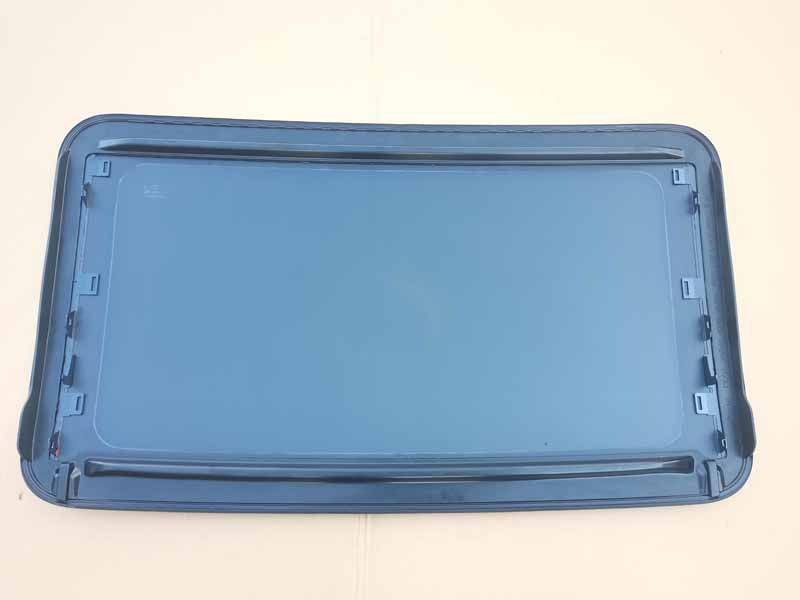
Step 4: Adjust the installation position of the auto sunroof.
If the sunroof is misplaced and causes water leakage, it needs to be adjusted. This operation is a bit complicated, so it is recommended to find professional maintenance personnel to do it. They will first loosen the fixing screws of the auto sunroof, gently move the sunroof to align it with the roof, and then tighten the screws to adjust the opening and closing gap of the sunroof to ensure the seal is tight. After the adjustment is completed, it is also necessary to test whether the sunroof opens and closes smoothly and whether there is any abnormal noise.
Step 5: Repair or replace the sunroof glass.
If the auto sunroof glass is damaged, it must be treated according to the degree of damage:
Slight cracks: If the glass has only tiny cracks and does not penetrate, it can be repaired with glass restorer. Clean up the crack first, then inject the repairing agent into the crack and irradiate it with ultraviolet light to make it cure. After the repair, the strength and sealing of the glass can basically be restored, but there may be some traces on the appearance.
Severe damage: If the glass has cracked and broken, it must be replaced. To replace the sunroof glass, you should find a regular repair shop to ensure that the original parts are used and the installation process is qualified. After the installation is completed, check whether the glass is sealed tightly and whether there is water leakage.
FAQ
Q: Why do automobile sunroofs leak frequently?
A: Most of the sunroof leaks are related to the blockage of the drainage system. If you don’t pay attention to cleaning up fallen leaves and dust accumulation in your daily car, it is easy to block the drainage holes and drainage pipes, and rainwater will seep into the car if it can’t be discharged in time. In addition, the aging of the sealing strip, the displacement of the sunroof position, and the lax glass seal will also cause water leakage.
Q: Can the sunroof leak be handled by itself?
A: If it is only a slight water leakage caused by the blockage of the drainage hole, you can clean it up and dredge it yourself according to the previous steps; If the sealing strip is seriously aged, the glass is broken, or the sunroof frame is deformed, it is recommended to go to a regular repair shop to avoid improper operation to expand the fault.
Q: Do sunroofs need regular maintenance? How long is the maintenance interval?
A: Regular maintenance is required. Generally, it is recommended to clean the sliding rail and drainage system of the sunroof once every six months, and to maintain the sealing strip once every six months to avoid aging and cracking. Before the rainy season comes, the sunroof can be inspected in advance to avoid water leakage in advance.