Is Sunroof Replacement Covered by Insurance?
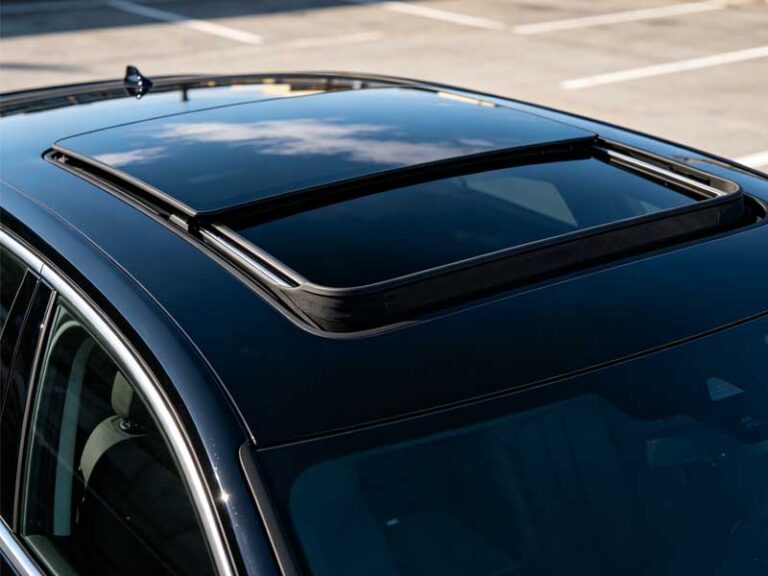
The claim for replacing the sunroof depends on the specific insurance clauses, the cause of the accident, and the type of insurance purchased.
Claim conditions for the damaged sunroof
Generally speaking, if the damage to the sunroof is caused by accidents (such as traffic accidents, falling objects, natural disasters, etc.) and the owner has purchased car damage insurance, the cost of replacing the sunroof can usually be covered by insurance claims.
However, if the sunroof damage is caused by man-made sabotage, natural wear or aging in daily use, or the damage caused by failure to maintain it in time, the insurance company may refuse to pay compensation.
Different insurance companies may have different definitions of the scope of insurance liability. Some insurance products may list the sunroof as a special component alone or set a certain deductible. Therefore, it is necessary to carefully refer to the specific terms in the insurance contract or directly consult the customer service staff of the insurance company to determine whether it is within the scope of protection.

Several types of sunroof damage
There are many types of sunroof damage, including physical damage, functional failure, and sealing failure.
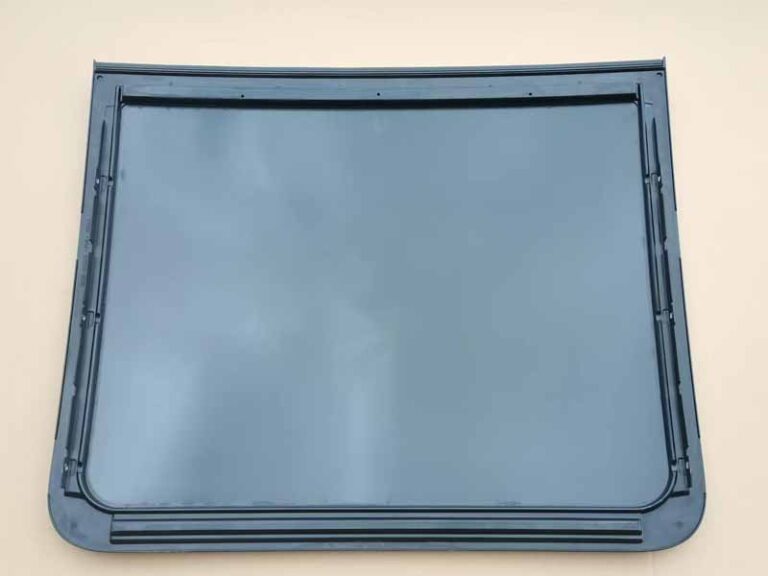
Physical damage is the most intuitive one, usually caused by the direct action of external forces, such as falling objects (such as stones, branches, building materials, etc.) hitting the sunroof glass, causing the glass to crack, break or even break as a whole; The collision of vehicles in traffic accidents may also lead to deformation of the sunroof frame, broken glass or damage to the joint between the sunroof and the car body. In addition, man-made malicious damage, such as deliberately smashing windows, can also cause such damage.
Functional failures involve the abnormality of mechanical or electronic systems, such as the opening, closing, and tilting of sunroofs. For example, the failure of the sunroof motor may cause the sunroof to fail to open or close normally, which is manifested by unresponsiveness or slow action after pressing the switch; If foreign objects (such as dust, leaves, etc.) accumulate in the sunroof track, or the track itself is corroded and deformed, the sunroof will produce abnormal sound, jam, or even fail to completely close in place during operation; Short circuit, open circuit or poor contact of the electronic circuit controlling the sunroof will also affect its normal function, which may cause the sunroof to open or close automatically out of control, or the related indicator light will not light up.
The sealing failure is mainly manifested in the leakage of the sunroof when it rains or washes the car. This may be due to the aging, hardening, cracking, or falling off of the sealing strip of the sunroof, which makes it unable to closely fit the edge of the sunroof, thus allowing water to penetrate into the car. The blockage of the sunroof drainage hole is also one of the common reasons. When it rains, the rainwater cannot be discharged smoothly through the drainage hole and accumulates in the sunroof slot. When it exceeds a certain amount, it will overflow and penetrate into the car, which may damage the seats, carpets, and electronic equipment in the car. In addition, if the sealant between the sunroof glass and the frame is aged and cracked, it will also reduce the sealing performance and cause water leakage.
Methods to prevent sunroof damage
1. Clean the sunroof regularly. Wipe the sunroof glass and frame with a soft cloth at least once a week to remove dust, leaves, and other sundries on the surface. Every quarter, it is necessary to focus on cleaning the sunroof track to ensure a smooth track and avoid operation jams or abnormal noise caused by debris accumulation.
2. Pay attention to the use frequency and operation specifications of the sunroof. Avoid opening or closing the sunroof frequently and hastily. When operating, wait for the sunroof to stop completely before proceeding to the next operation, so as to prevent the motor and transmission mechanism from being damaged due to excessive instantaneous load. When the vehicle is driving, especially on bumpy roads or at high speed, try not to open the sunroof, so as to avoid the sunroof glass and related components from being loosened or deformed by strong vibration.
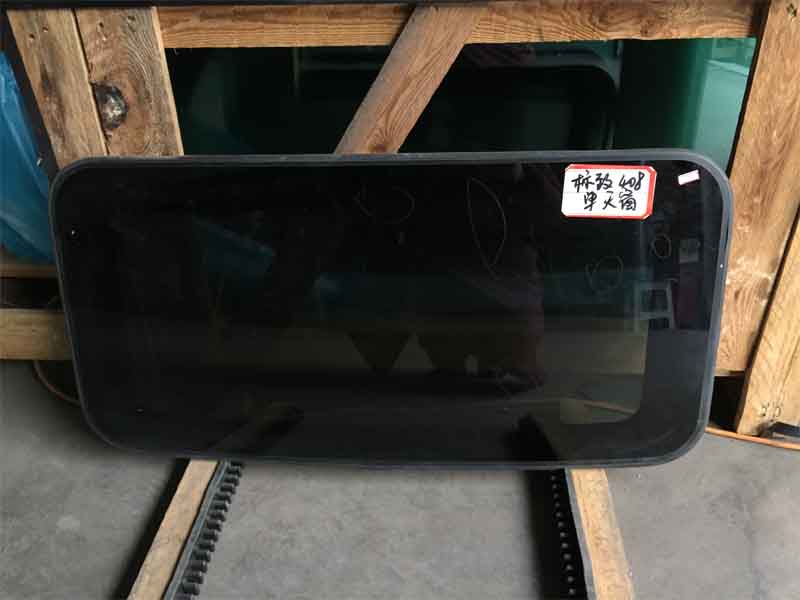
3. Do a good job in sealing and maintaining the sunroof. Check the sunroof sealing strip once every six months. If it is found that the sealing strip is aging, cracking, and hardening, it should be replaced with a new sealing strip in time. At the same time, regularly check whether the sunroof drainage hole is unobstructed to prevent water leakage caused by blockage of the drainage hole. After washing the car or raining, dry the water on the edge of the sunroof and the sealing strip in time to avoid the accelerated aging of the sealing strip caused by long-term residual water.
4. Try to park the vehicle in an indoor parking lot or a place with a sunshade to avoid the sunroof being exposed to the hot sun for a long time or being eroded by bad weather such as rain and snow; If you need to park outdoors for a long time, you should close the sunroof and ensure that it is completely closed to prevent dust, rain, etc. from entering the car and damaging the sunroof components. Through these preventive measures, the service life of the sunroof can be effectively extended, and the probability of failure can be reduced.
FAQ
Is the panoramic sunroof insured?
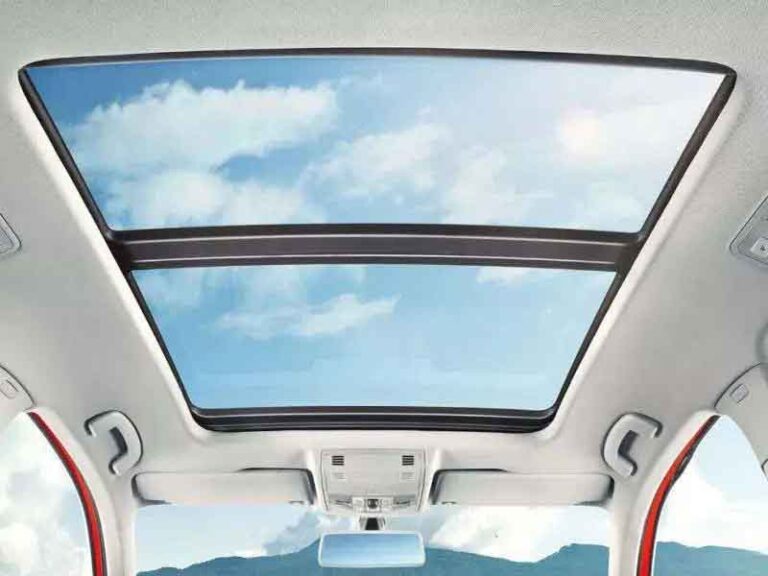
Yes, panoramic sunroofs are usually covered in the same way as standard sunroofs. However, because they are larger and more complicated to replace, the cost is usually higher. Make sure your insurance limit is enough to cover the replacement cost of a panoramic sunroof.
Will the insurance cover leaking sunroofs?
If the sunroof leakage is caused by insured risks, such as hail damaging the seal or branches falling on it, the insurance may cover the sunroof leakage. However, if the leakage is due to lack of maintenance (for example, blocked drainage pipes, aging seals), it is considered normal wear and will not be covered.
When I make a claim, can I ask for the replacement of the sunroof with the original parts?
Yes, but there may be an extra charge. Before maintenance, clearly communicate with your insurance adjuster and repair shop about the choice of accessories, and understand the possible extra costs.