Sunroof Installation Methods and Tips
The sunroof can not only make the interior lighting more abundant and the air circulation smoother, but also enhance the fashion sense and driving experience of the whole vehicle. However, sunroof installation is a professional and precise project. From the selection of installation method to the control of details, every step directly affects the final use effect and safety. The following will be a detailed disassembly of the core methods and practical skills of sunroof installation to help you avoid misunderstandings and successfully complete the installation.
Analysis of the sunroof installation method
At present, there are four common sunroof installation methods in the market, and different methods are suitable for different models, sunroof types, and installation scenarios, each with its own advantages and disadvantages.
Embedded installation method
This is the most traditional and widely used installation method, which is suitable for most models with a reserved sunroof position. During installation, firstly, the interior trim panel and waterproof layer at the corresponding position of the roof are removed, the sunroof skeleton is accurately embedded into the groove reserved on the roof, the skeleton is fixed by welding or bolts, then the sunroof glass and sealing adhesive tape are installed, and finally, the interior trim and waterproof layer are restored. The advantage of this method is that it has high fit, can retain the original structural strength of the roof to the greatest extent, and has better sealing performance., The disadvantage is that the installation accuracy is extremely high. Once the skeleton is positioned incorrectly, it may cause the sunroof to leak raibe n or the switch is not smooth.
External lifting installation method
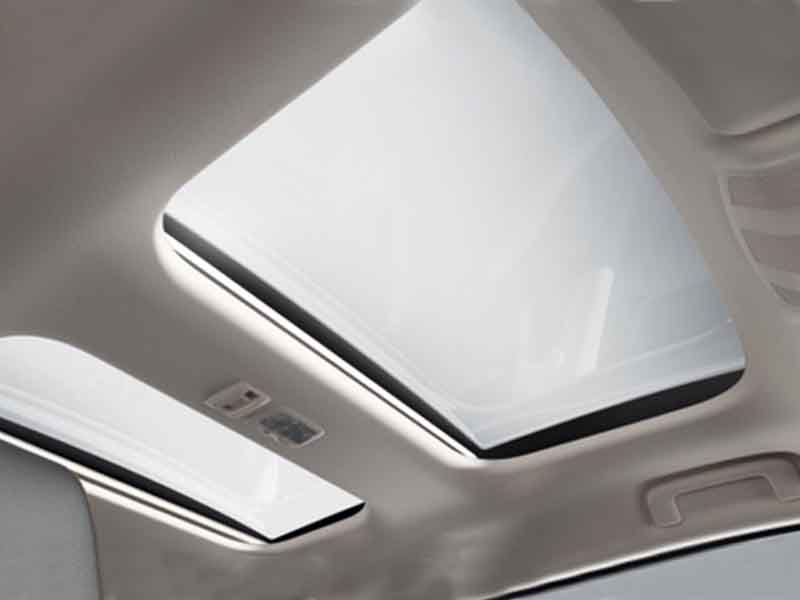
This installation method is usually used for the outward-lift sunroof, which is more common in small cars and compact cars. When installing, it is not necessary to remove the interior decoration of the roof in a large area; just drill a suitable hole in the roof, fix the hinge structure of the sunroof on the outside of the roof, then connect the glass with the hinge, and finally install the sealing strip and the drainage system. The advantages of this method are low construction difficulty, short time consumption, and less damage to the original structure of the roof. The disadvantage is that the sunroof is relatively weak in sealing, and air leakage and rain leakage may occur after long-term use, and the opening angle and ventilation effect of the external sunroof are limited.
Panoramic sunroof sectional installation method
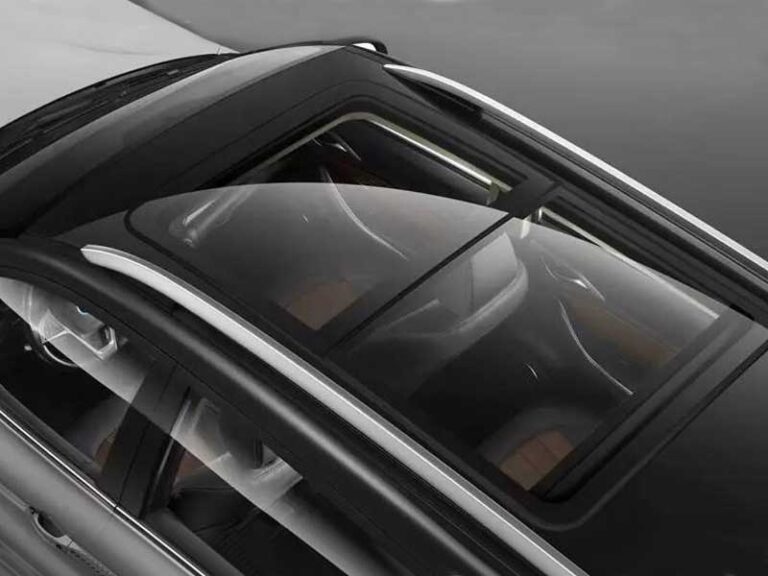
Panoramic sunroofs are mostly installed in sections because of their large area and complex structure. Firstly, according to the sectional design of the sunroof, a plurality of sunroof frames are fixed on the roof in turn, and then the glass in the corresponding area is installed respectively. Finally, the joint of each section of glass with the frame and the roof is sealed by special sealant, and a unified drainage system is built at the same time. The advantage of this method is that it can achieve large-area lighting and ventilation effects and enhance the sense of luxury in the car; The disadvantage is that the construction process is complicated and the requirements for sealing technology are extremely high. Once a certain section of the seal fails, it may lead to a large area of rain leakage, and the installation cost and later maintenance cost of the panoramic sunroof are relatively high.
Modular installation method
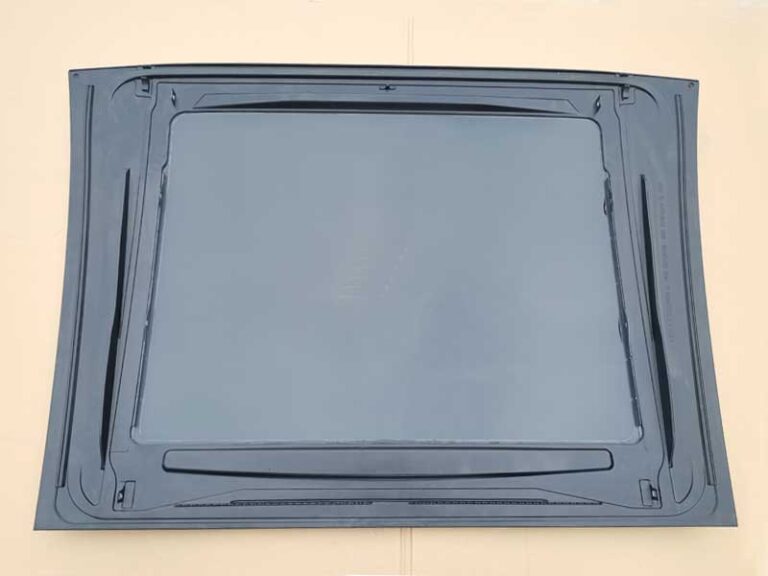
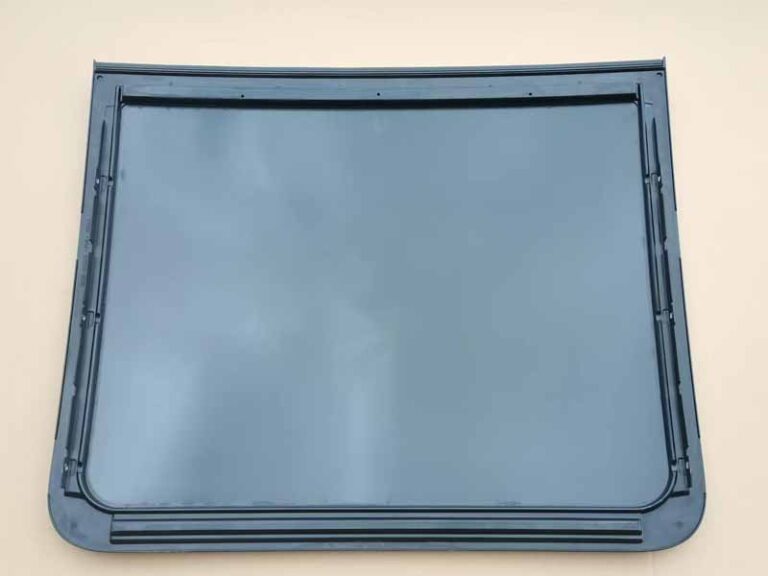
With the upgrading of automobile manufacturing technology, the modular installation method has gradually become mainstream. Sunroof manufacturers will assemble the sunroof skeleton, glass, sealing strip, drainage system, and other components into a complete modular unit in advance. When installing, just insert this unit directly into the installation position reserved on the roof and fix it with bolts. The advantages of this method are high installation efficiency and guaranteed accuracy, which can effectively reduce manual errors. The disadvantage is that the size of the reserved installation position on the roof is extremely strict, and the customization cost of the modular sunroof is high, which is only suitable for some new models.
Main points of preparation before installation
Preparing well before installation is the premise to ensure the smooth installation of sunroof. These preparations seem trivial, but they can effectively avoid all kinds of unexpected problems in the installation process.
Vehicle type suitability inspection
First of all, it is necessary to confirm the adaptability of the selected sunroof to the vehicle model, including the size of the sunroof, the installation interface, the layout of the drainage system, etc. You can consult the original maintenance manual of the vehicle, or consult the professional sunroof installation manufacturer to avoid the installation failure caused by the mismatch between the sunroof and the model. In addition, we should also pay attention to the bearing capacity of the roof. The roof structure strength of some small cars or old models is insufficient, which may not be able to bear the weight of the panoramic sunroof, and there will be safety hazards in forced installation.
Preparation of tools and materials
A series of professional tools, such as electric drill, wrench, sealant gun, level meter, etc., are needed to install the sunroof. These tools must ensure accuracy and quality, otherwise the installation effect will be affected. At the same time, it is necessary to prepare high-quality sealant, waterproof tape, anti-rust paint, and other materials. The sealant should be a special automobile sealant with strong weather resistance and good adhesion. The waterproof tape should be completely matched with the size of the sunroof to avoid cracks.
Construction environment arrangement
sunroof installation needs to be carried out in a dry and dust-free environment. It is recommended to choose a professional automobile maintenance workshop or refit factory. Before construction, the dust, oil stain and impurities on the roof surface should be cleaned to avoid these substances affecting the bonding effect of the sealant. At the same time, it is necessary to do a good job in the protection of the car, and cover the seats, instrument panels, and other parts with dust-proof cloth to prevent dust and debris generated during construction from polluting the interior.

Key skills in installation process
Every detail in the installation process is related to the use, effect, and safety of the sunroof. Mastering these key skills can effectively improve the installation quality.
Precise positioning and fixing
The positioning of the sunroof skeleton is the core link of installation, and it must be accurately measured with a level gauge and tape measure to ensure that the parallelism and verticality between the skeleton and the roof meet the requirements. When fixing the skeleton, tighten the bolts according to the torque specified by the manufacturer, so as to avoid deformation of the skeleton due to excessive torque or looseness of the skeleton due to too small a torque. For the welded fixed skeleton, rust prevention treatment should be done at the welding place to prevent rust corrosion in the later stage.
Sealing process control
Sealing is the key to preventing the sunroof from leaking rain and air. When applying sealant, it should be uniform and continuous, and there should be no breakpoints or bubbles. The thickness of the sealant should be moderate; too thick will affect the opening and closing of the sunroof, and too thin will not play an effective sealing role. When installing the sealing rubber strip, ensure that the rubber strip is completely attached to the contact surface of the sunroof and the roof, and no wrinkles or gaps can occur. After the installation is completed, you can check the tightness by a the water spray test. If you find any leakage, you should apply sealant or adjust the position of rubber strip in time.
Commissioning of drainage system
The drainage system of the sunroof is directly related to the use of safety on rainy days, and it must be carefully debugged after installation. It is necessary to check whether the drainage pipeline is unobstructed, whether it is bent or blocked, and whether the position of the drainage outlet is reasonable to ensure that the rainwater can be discharged from the car smoothly. You can test the drainage effect by pouring water into the sunroof. If you find that the drainage is not smooth, you should dredge the pipeline or adjust the angle of the drain in time.
Guide for acceptance and maintenance after installation
After the sunroof is installed, it can’t be put into use directly. Only by strict acceptance and good maintenance can the service life of the sunroof be extended.
Key points of installation and acceptance
At the time of acceptance, we should first check whether the sunroof opens and closes smoothly, and whether there is any jam or abnormal sound. Secondly, we should check the tightness and observe whether there is rain leakage or air leakage through the water spray test. Also, check the drainage system of the sunroof to ensure smooth drainage. Finally, it is necessary to check the restoration of the roof interior to ensure that the interior trim panel is closely attached to the roof and there is no looseness or abnormal sound.
Daily maintenance skills
In daily use, it is necessary to regularly clean the dust, leaves, and other impurities on the track and drain of the sunroof to prevent these substances from affecting the opening and closing and drainage of the sunroof. Check the condition of the sealing rubber strip regularly. If the rubber strip is found to be aging, cracked, or deformed, replace it in time. In addition, it is necessary to avoid driving at high speed when the sunroof is open and to prevent the sunroof glass from being damaged due to excessive wind pressure.
Frequently asked questions
If the sunroof leaks rain and air, first check whether the sealing rubber strip is aging or shifting. If there is no problem with the rubber strip, it may be that the sealant has cracked or fallen off and needs to be reapplied. If the sunroof is stuck or abnormal, it may be that there are impurities or insufficient lubrication in the track. You can clean the track and apply special sunroof lubricating oil.
FAQ
After installing the sunroof, why do you need to carry out the sealing test?
Answer: If the sealing treatment of the sunroof is not in place during installation, it will easily lead to the problem of subsequent rain and air leakage, which will not only wet the interior of the roof, but also lead to the corrosion of the roof sheet metal for a long time. Through the water spray test, the sealing defect can be found in advance and repaired in time to avoid failure in subsequent use.
Why should the drainage system be specially inspected after installation?
Answer: If debris remains in the drainage channel of the sunroof or the pipeline is not in place, it is easy to cause drainage blockage, and rainwater will leak into the carriage if it cannot be drained smoothly. Confirm the smooth drainage in advance to avoid this kind of problem from the source.
Why do you want to check the restoration of the roof interior?
Answer: The sunroof installation needs to disassemble the interior trim panel of the roof. If the buckle is not clamped or installed incorrectly during recovery, the vehicle will have loose and abnormal sounds in the later driving process, which will affect the driving experience. Check in advance and adjust it in time to avoid subsequent rework.