Sunroof Glass Solutions for Electric Vehicle Manufacturers | OEM & Aftermarket Supply
Imagine you’re sitting inside an electric vehicle that is parked by the sea, you open the sunroof, let the golden sunlight spill into every corner of the cabin, you could close your eyes, feel the soft sea wind blowing toward your hair. What’s your feeling now? It’s a sense of comfort and openness that the sunroof glass of electric vehicles brings to us.
We have to admit that electric vehicles are playing a more and more important role in people’s lives. In recent years, the global market for electric vehicles has experienced a period of rapid growth, and more and more people have started to choose electric vehicles.
The electric vehicles are changing the way that people define “cars”. In the past, cars were a vehicle from Point A to B, but nowadays, in many modern EVs, it becomes a mobile space. You will notice that it’s quieter and more comfortable. So the electric vehicles also have different requirements for sunroof systems.
First, the electric vehicles almost don’t have any engine noise, makes the inside of cars more quiet. This “quietness” will enhance people’s perception of the space itself – passengers will pay more attention to the light, the view, the materials and the overall atmosphere.
Second, The focus of users on the in-car experience has gradually shifted from “performance and handling” to below points:
Is it bright and transparent? Does it have a sense of space? If it makes people feel relaxed and comfortable?
In other words, the users are now willing to pay for “experiences” rather than just functionality. Just because of the change in experience, the large sunroof has rapidly become a mainstream trend.
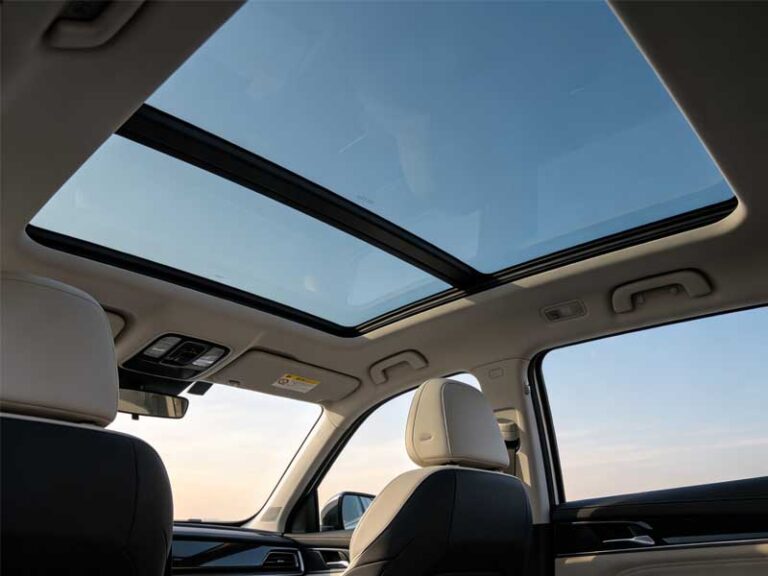
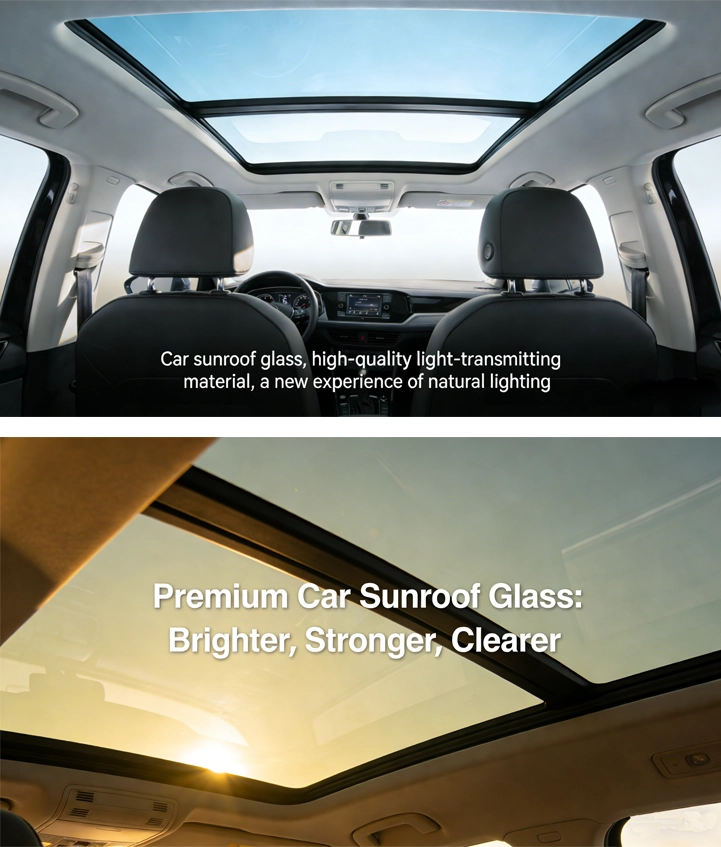
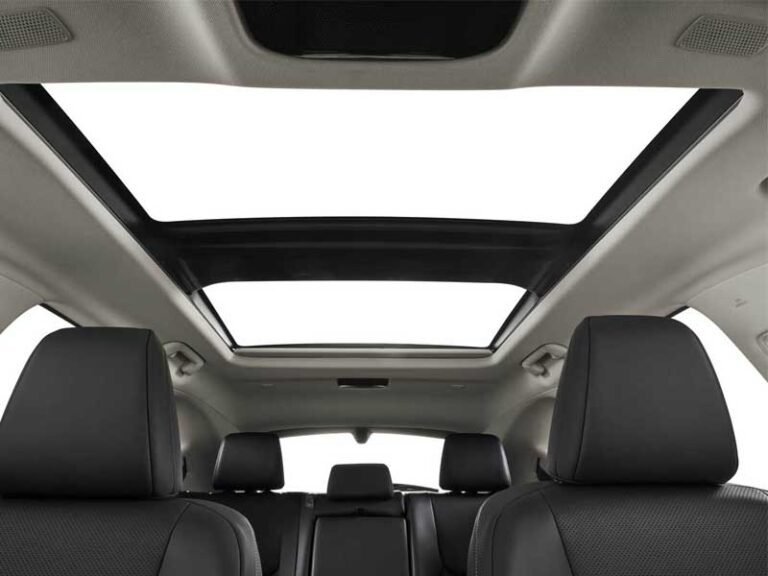
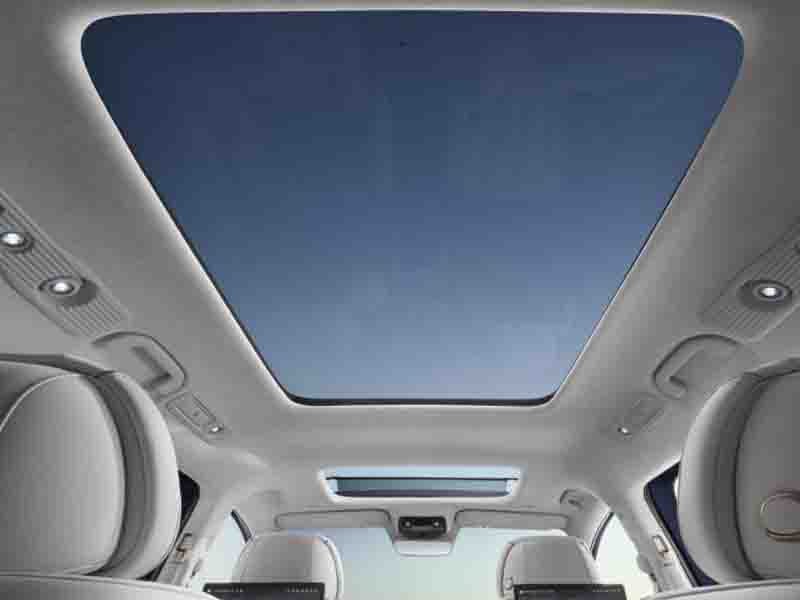
As the large panoramic sunroofs are becoming more and more common in electric vehicles, they are not just a piece of glass; we can say they are a combination of advanced glass technologies to meet strict requirements for safety, comfort, and performance. Compared to traditional fuel vehicles, sunroofs in electric vehicles have many new features that could better meet the needs of drivers. Most electric vehicles are equipped with large panoramic sunroofs, which provide a wide field of view and a stylish appearance. These sunroofs are designed to be lighter and thinner, increasing headroom inside the vehicle for greater comfort while also reducing the vehicle’s weight, which helps improve the driving range. In terms of performance, electric vehicle sunroofs utilize high-quality safety glass that offers excellent sun protection and heat insulation, effectively blocking UV rays to keep the interior cool and comfortable in summer. High-end models are also equipped with smart dimming sunroofs that could adjust the light transmission by voice command or the infotainment system freely. Additionally, these sunroofs have good sealing and high safety, minimizing noise during driving and enhancing the overall driving experience.
As we know, the panoramic sunroof is only one of the common types of sunroof we can see. According to the opening ways, the sunroof could be divided into a sliding sunroof, a tilt sunroof, and a fixed sunroof. On the basis of technological type, the sunroof can be classified into a common glass sunroof, heat insulation, a smart glass, and a solar roof. In our daily life, the sliding sunroof and fixed sunroof are the most commonly used in cars:
-Sliding sunroof: could open completely or partly, support ventilation and lighting and is suitable for traditional fuel vehicles.
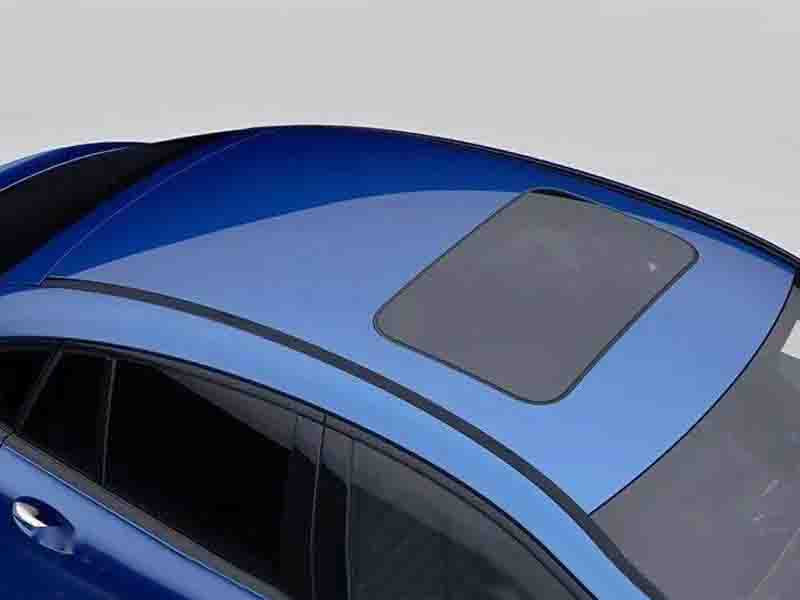
– Fixed sunroof: can’t open, only for lighting, installed mostly on the panoramic sunroof of electric vehicles.
As a reliable sunroof supplier for EV manufacturers, we should consider: Can we customize parts exactly what they need? Do the products keep stable, consistent quality? And can they deliver on time, even in large volumes?
These are the things we care about most.
But once we start working together, real problems often appear: Parts don’t fit because of poor dimensional accuracy, sealing issues lead to water or dust leakage, or structural mismatches that slow down assembly and cause extra rework.
That’s exactly what we solve. We work closely with your team to tailor components to your vehicle design, ensuring perfect size matching, reliable sealing, and smooth structural fit from the first sample.
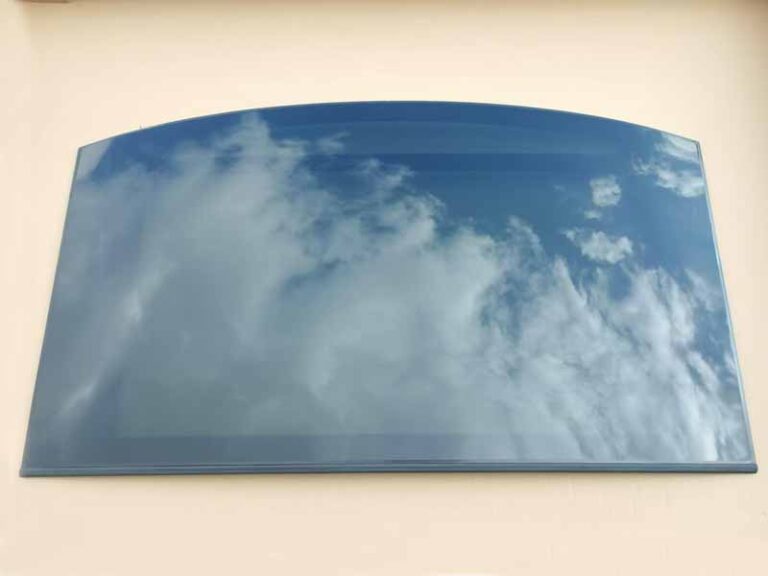
Besides, the sunroof glass replacement is a pretty common need in the auto aftermarket. It’s not hard to see why—most of the time, it comes down to daily damage, car aging, and real demand from repair shops and dealers.
First of all, accidents and damage happen all the time. Road stones, hail, falling branches, minor collisions—any of these can chip or crack the sunroof glass. Small damages often get worse over time, and once the crack is too big to fix, replacement becomes the only choice.
Then there’s wear and aging. As cars get older, sunroof glass and its seals start to fail. Rubber gaskets harden, crack, and no longer seal properly, leading to water leaks, wind noise, and even interior damage. Some glass also becomes cloudy or scratched after years of sun exposure. For cars that are 5 years old or more, sunroof issues are almost normal.
This also creates steady demand from repair shops and car dealers.
Insurance claims for sunroof damage are frequent. Used-car dealers often replace broken or leaking sunroofs to make vehicles look better and sell faster. When cars are out of warranty, most owners won’t go for expensive original parts—they turn to aftermarket options directly.
When it comes to replacement, the market is basically split between OEM original glass and universal aftermarket glass. The OEM glass fits perfectly, matches the original quality, and is easy to install, but it’s costly and sometimes hard to get for older models. Universal aftermarket glass is much more affordable, usually in stock, and works well for daily use. The only defect is that it may not be suitable 100%, and sometimes needs minor adjustment during installation.
From years of working with different partners in the auto parts industry, we learned that as a reliable supplier we don’t provide the low cost sunroof products, but the high quality products with competitive prices. In practice, consistency matters more than price. The experience, stable quality, on-time delivery, and responsible after-sales support are all very important for you to choose a reliable supplier.
RFQ:
1. What type of glass is used for EV sunroofs?
Reply: For EV sunroofs, generally, the large panoramic sunroofs are chosen and used for electric vehicles.
2. Can sunroof glass be replaced separately?
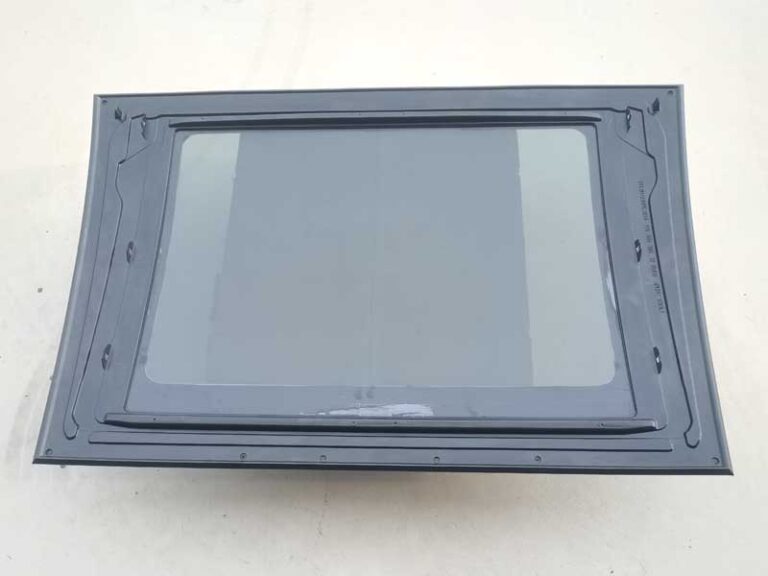
Reply: Yes, if your single sunroof glass or part of panoramic sunroof glass is broken, but there is no damage to the motor, metal frame, or other parts, you just need to replace the broken glass.
3. Do you offer OEM and aftermarket sunroof glass?
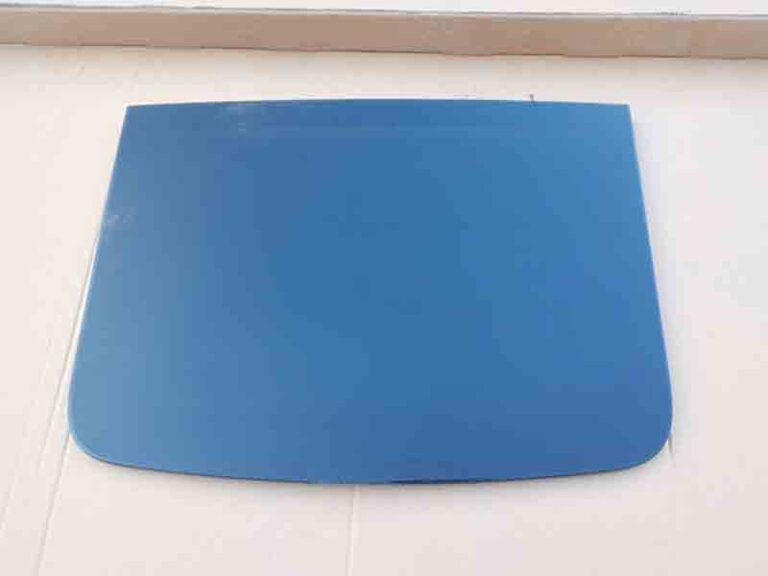
Reply: Yes, we mainly manufacture and supply sunroof glass for the aftermarket, with high brand coverage, the quality and dimensional accuracy comparable to OEM quality, adequate stocks, prompt delivery, and 3 years of warranty.