What Is the Difference Between Sliding and Fixed Sunroofs?
There are many different types of automobile sunroofs, which can bring different experiences to customers in many ways.
Introduction of the sliding sunroof
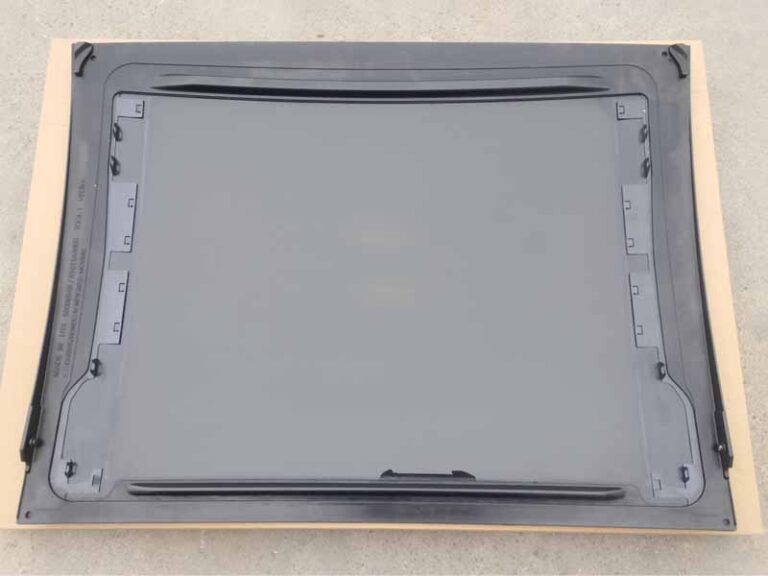
The sliding sunroof of the car is a design of moving the roof window through the mechanical structure, which breaks through the limitation that the fixed sunroof can only provide light, and has both lighting and ventilation functions. Users can manually or electrically operate the sunroof glass to partially or completely open along the roof rail, and also support the upward tilting opening mode.
Common types and structural characteristics
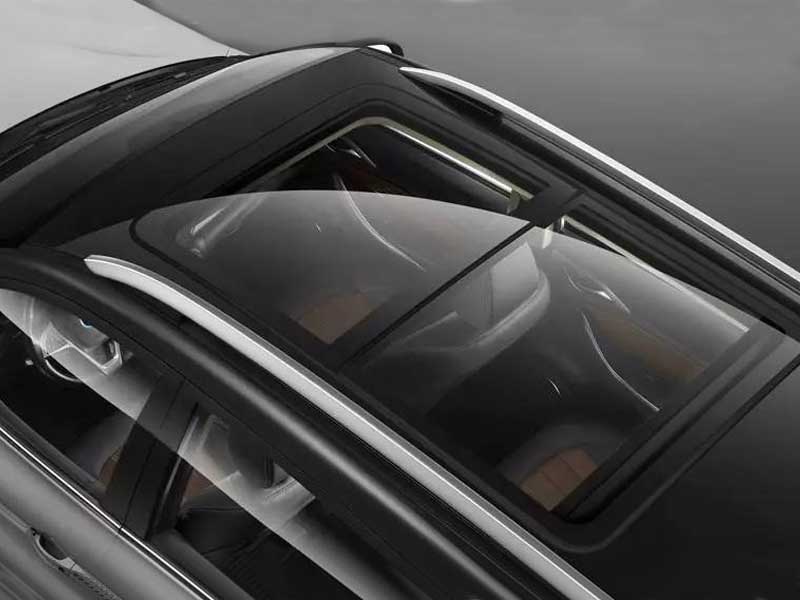
Single sliding sunroof: the most common style, a piece of glass slides backwards along the roof, and the opening area is about 1/3 to 1/2 of the roof.
Double sliding sunroof: the front and rear glass can slide independently, and the rear passengers can control the opening and closing of the sunroof independently.
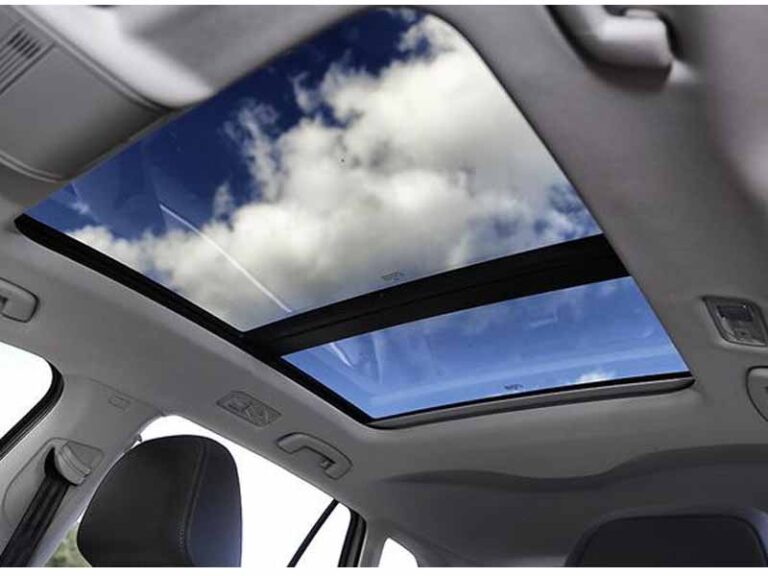
Panoramic sliding sunroof: a large sunroof covering most roofs, which can be opened in sections or as a whole. Some models are equipped with sunshade curtains that can be controlled separately.
Track design: the sunroof glass moves along the preset track of the roof, and the sealing strip ensures the waterproof and mute effect when sliding.
Core functions and advantages
Active ventilation: sliding the sunroof during driving can form a “stack effect”, which can quickly discharge the odor, hot air, and harmful gases in the car.
Diversified opening modes: support three modes: fully sliding, partially opening, and upward ventilation, to meet the needs of different scenes.
Improve the driving experience: when driving at high speed, open the sunroof to tilt sideways, which can realize ventilation without generating strong wind noise.
Increase the sense of space: the large sliding sunroof can significantly improve the sense of transparency in the car and reduce the sense of oppression.
Introduction of a fixed sunroof
Core definition of fixed sunroof
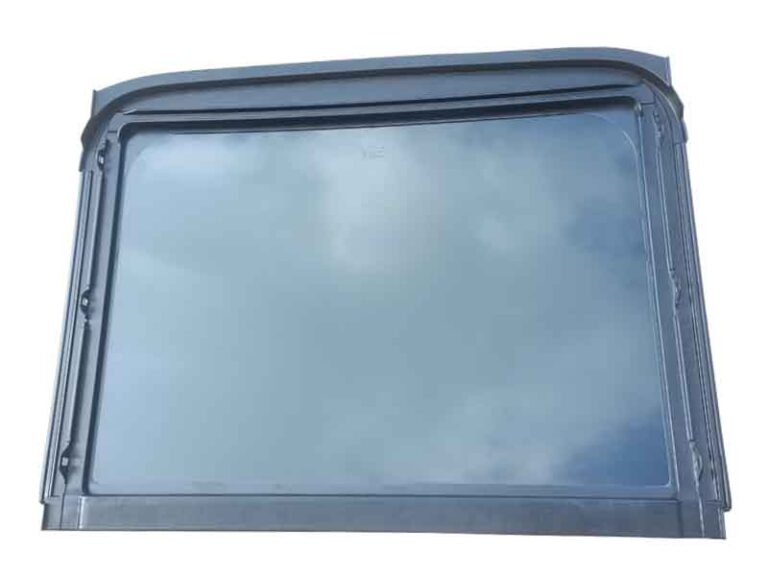
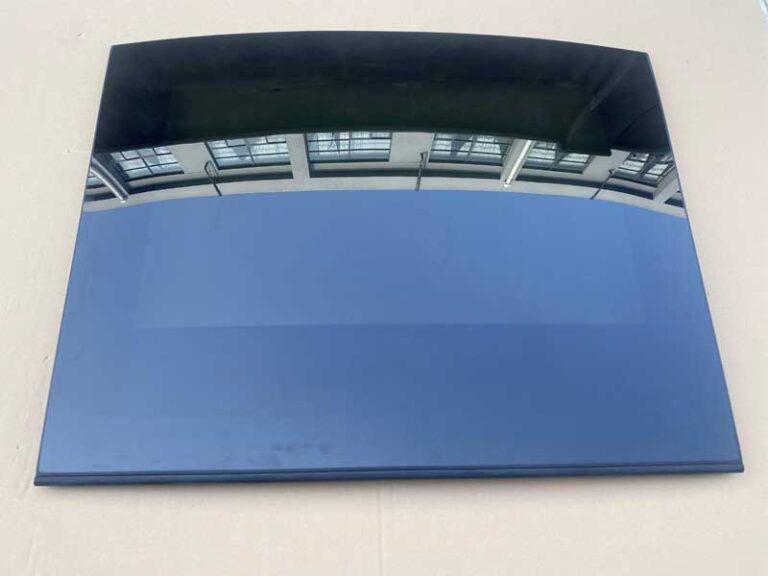
The fixed automobile sunroof is a kind of unopened roof glass structure, which is completely attached to the roof frame through sealing strips. It is only used as a lighting device and has no movable functions such as sliding and tilting. This kind of sunroof is simple in structure, usually covering about 1/4 of the front of the roof, and some panoramic fixed sunroofs can cover the whole roof.
Structural characteristics and types
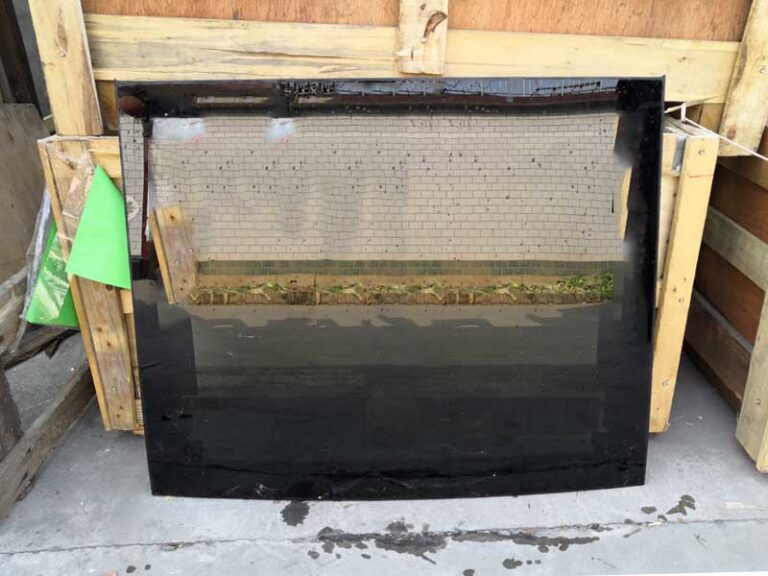
Single glass design: the whole piece of tempered glass or laminated glass is used, which is installed integrally with the roof without mechanical moving parts.
Panoramic fixed sunroof: it is made up of several pieces of glass, covering the whole roof, but all the glass cannot be opened.
Matching of sunshade system: usually equipped with a manual or electric sunshade curtain, which can block the sun as needed and reduce the temperature inside the car.
Sealing structure: a high-strength sealing rubber ring is used to ensure a complete fit with the roof and prevent water leakage risk.
Core advantage
Ultra-high reliability: no track, motor, or other vulnerable parts, the failure rate is almost zero, and the later maintenance cost is extremely low.
Excellent sealing performance: integrated installation structure, waterproof and dustproof performance is better than sliding sunroof.
Lightweight design: simple structure, lighter than a sliding sunroof, and less influence on vehicle fuel consumption.
Cost advantage: the production and installation costs are lower, and it is usually used as a sunroof configuration for entry-level models.
Difference between a sliding sunroof and a fixed sunroof
The core difference between the sliding sunroof and the fixed sunroof lies in the functional positioning. The sliding sunroof has both lighting and active ventilation functions. Users can adjust the air intake by sliding and tilting, and can quickly exhaust the odor and hot air in the car while driving, so as to adapt to more car scenes. However, the fixed sunroof only exists as a lighting device, so it cannot be opened for ventilation actively, and ventilation depends on side windows or air conditioning systems. Structurally, the sliding sunroof includes complex parts such as the track, driving motor, and drainage system, which leads to a higher failure rate and maintenance cost. The fixed sunroof is composed of a whole piece of glass and a sealing apron, and has no moving parts, so the reliability and sealing performance are better.
From the perspective of use cost and experience, the manufacturing cost of a sliding sunroof is higher, and it is usually used as a middle-high option when buying a car. In the later stage, the track needs to be cleaned regularly, and the drainage holes need to be dredged. After 3-5 years, there may be problems such as abnormal sound and water leakage. The fixed sunroof has a simple structure, lower cost, and almost no maintenance, which is suitable for users who pay attention to practicality and low use cost. There are also differences in the influence on vehicle performance. A sliding sunroof will increase the weight and wind resistance of the roof and may weaken the local body rigidity. The fixed sunroof has little influence on vehicle handling and fuel consumption, and can better maintain the structural integrity of the car body.
In terms of scene adaptability, the sliding sunroof is more suitable for users who often drive long distances and pay attention to the ventilation effect in the car. When driving at high speed, the tilting ventilation can avoid strong winds. A fixed sunroof is more suitable for users who mainly commute in cities and only need the lighting function, and its reliability advantage is more obvious in areas with frequent sandstorms and heavy rains. In addition, the glass storage design of the sliding sunroof can keep the roof line intact, while the fixed sunroof has a higher degree of integration with the car body, and the large-size version can bring a more transparent sense of interior space
FAQ
What kind of sunroof can provide better ventilation and air circulation?
Sliding sunroof provides active ventilation control in multiple opening modes (fully sliding open, partially open, or tilted upward), allowing drivers to adjust air flow according to driving speed and weather conditions. The fixed sunroof can only provide passive lighting and cannot open for ventilation. Drivers need to rely on side windows or climate control systems for air circulation.
Which sunroof type is more suitable for vehicle customization and after-sales upgrade?
Fixed sunroofs are usually easier to install as after-sales upgrades because they require less structural modification and have simpler installation requirements. Because of its mechanical parts, the transformation of the sliding sunroof is more complicated, which requires the accurate alignment of the track and motor.
How do these sunroof types affect the interior temperature and ultraviolet protection?
Sliding sunroof and fixed sunroof usually have anti-ultraviolet glass, which can block 95-99% harmful ultraviolet rays. However, fixed sunroofs will lead to higher indoor temperature in direct sunlight, because they can’t open ventilation. Sliding sunroofs allow drivers to reduce internal heat by partially opening them. Many models include electrically operated sun visors, which can be closed when the sunroofs are not in use, providing additional heat reduction.