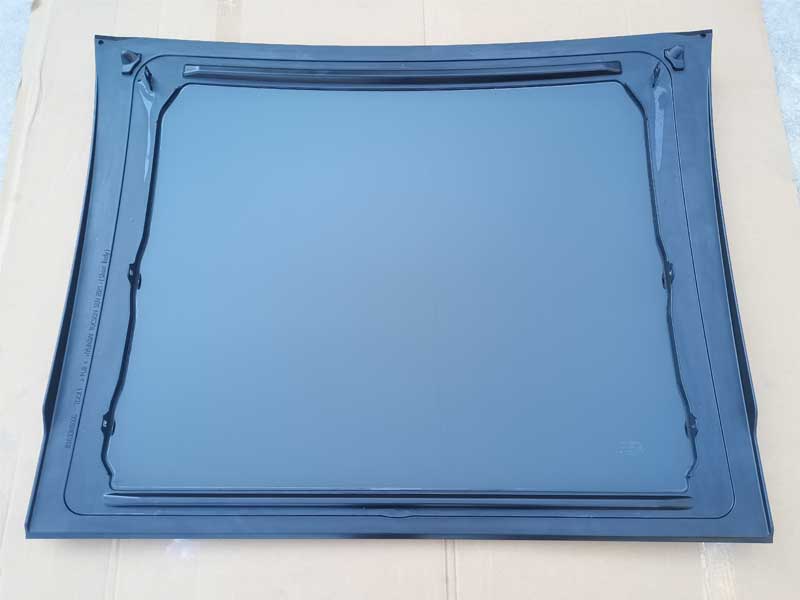
Hyundai Tucson Sunroof Not Closing? Quick Fix
After the opening and closing problems of the automobile sunroof occur, first try the basic reset operation: press and hold the “Close” key on the sunroof control button for 10-15 seconds, and release it after the sunroof stops moving, so as to reset the initial position memory of the motor.
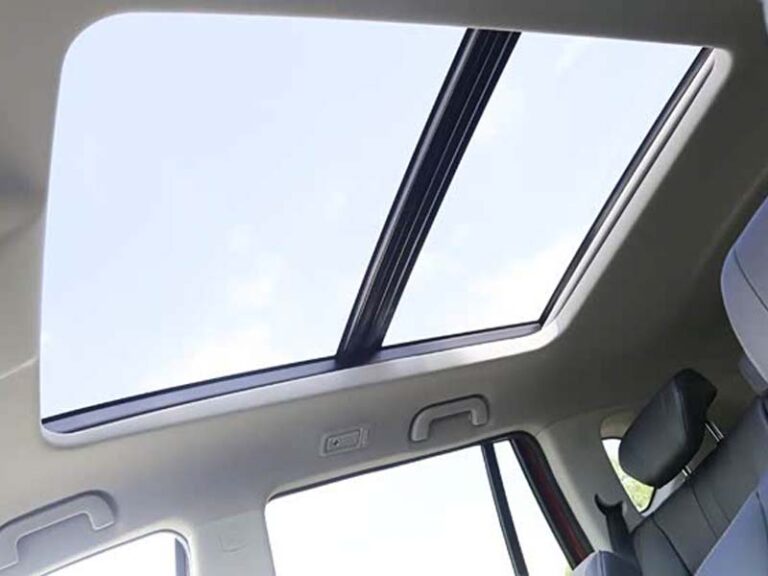
If the reset fails, check the track for foreign objects and clean it up. If it still can’t be closed, gently push the edge of the glass to try to assist the homing manually. The panoramic sunroof needs to be checked to see whether the sunshade is fully retracted. If the above steps are not solved, it may be a motor failure or an abnormal control module. It is recommended to contact professional maintenance personnel for investigation.
Common problems of automobile sunroof
Opening and closing fault class
Stuck/unable to completely close: It is mostly caused by foreign objects on the track, aging rubber strips, and excessive motor load. You can clean the track first and then try to reset the sunroof module.
Automatic rebound/false trigger of anti-pinch: usually, the rubber strip resistance is too large, or the anti-pinch sensor is too sensitive, which can be solved by system calibration after cleaning the rubber strip.
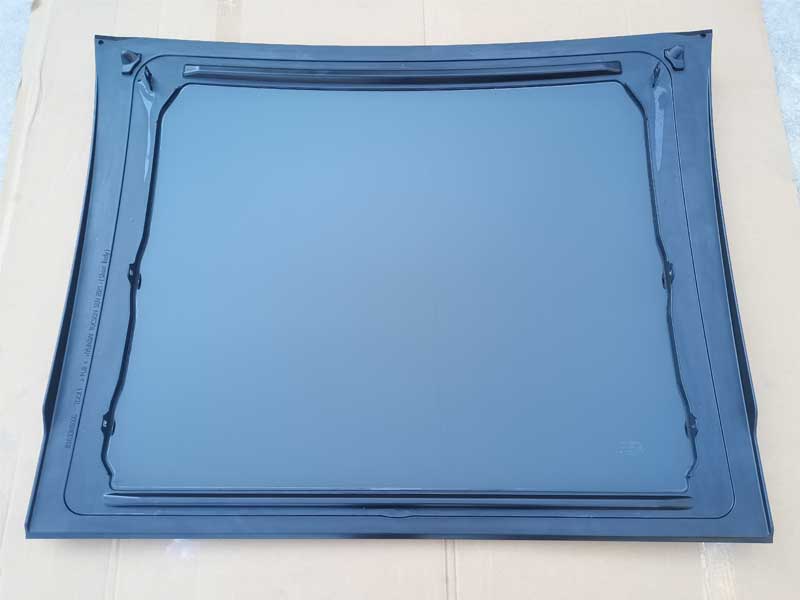
Uneven opening and closing speed: insufficient rail lubrication or motor carbon brush wear. Special grease should be applied regularly, and the motor should be replaced in severe cases.
Sealed water leakage
Edge water seepage: aging and cracking of rubber strips and blockage of drainage holes are the main reasons, so it is necessary to replace rubber strips or dredge drainage holes with high-pressure air guns.
Roof dripping: most of the drainage pipes fall off or are blocked. Clean water can be injected from the roof drain to check whether the drainage under the car is smooth.
Abnormal noise on rainy days: Friction between the rubber strip and the glass occurs, and the noise can be reduced by applying a silicon-based protective agent.
Abnormal noise class
High-frequency howling during driving: air flow enters due to poor sealing of the sunroof, which can be solved by adjusting the position of the sunroof glass or replacing the rubber strip.
Mechanical noise during opening and closing: the track is short of oil, and the gears are worn. Add grease after cleaning the track, and replace the transmission assembly if it is serious.
Loose and abnormal sound when bumping: the sunroof frame screw is loose, which needs to be tightened with a torque wrench according to the standard torque.
Electronic control fault class
No response from the switch: the fuse is burnt, and the switch contact is oxidized. Check the fuse first, and then clean the switch contact with alcohol.
Memory position lost: the system initialization failed after the battery was cut off, and the sunroof position calibration procedure needs to be re-executed.
Abnormal linkage between train and vehicle: Bluetooth /app remote control fails, which can be recovered by restarting the train and vehicle system or resetting the connection authority.
Maintenance and prevention category
Regular cleaning: clean the foreign bodies on the track once every 4 months, and maintain the rubber strip with a special cleaning agent every year.
Lubrication maintenance: Apply PTFE grease to the track once every six months to avoid using ordinary engine oil.
Winter protection: warm the car before operating the sunroof in a low-temperature environment to prevent the rubber strip from brittle cracking.
Common methods of sunroof repair
Mechanical fault repair
Repair of track sticking: firstly, clean the dust and leaves in the track with a soft brush, and then purge the gap with high-pressure air; If there is slight rust, polish it with fine sandpaper and apply special PTFE grease.
Rubber strip aging repair: slight aging can be coated with a silicon-based protective agent to restore elasticity; In case of severe cracking, it is necessary to replace the rubber strip of the same model. During installation, pay attention to aligning the anchor points and press them firmly.
Repair of gear slip: open the cover plate of the sunroof motor and check the gear wear. If the tooth surface is slightly worn, apply special glue for the gear; If the wear is serious, the motor assembly needs to be replaced.
Repair of the water leakage problem
Drainage hole dredging: Clean the drainage holes at the four corners of the roof with fine iron wire or a high-pressure air gun, and then inject fresh water from the drain to ensure smooth drainage under the vehicle.
Re-glue the sealant: if the sealant between the sunroof glass and the frame cracks, first remove the old sealant with a utility knife, and then apply the special sealant for automobiles, and use it after it is completely cured for 24 hours.
Replacement of drainage pipe: If the drainage pipe falls off or breaks, remove the ceiling decorative board and replace it with a new rubber drainage pipe to ensure that the joint is firmly fixed.

Emergency fault handling
Manually close the sunroof: some models have an emergency jack near the motor, which is inserted with a hexagon wrench and rotated clockwise to forcibly close the sunroof in place.
Temporary sealing treatment: when it cannot be repaired immediately, cover the gap of the sunroof with plastic film, and then fix the edge with adhesive tape to prevent rainwater from infiltrating into the car.
Temporary relief of abnormal noise: when howling occurs during driving, the sunroof can be opened a little to balance the air pressure in the car and reduce noise.
Methods of maintaining the sunroof
Daily cleaning and maintenance
Track cleaning: Use a soft brush to clean the dust, leaves, and other foreign bodies in the track, and then wipe the track surface with a wet rag to avoid using corrosive cleaning agents.
Curing of the rubber strip: wipe the rubber strip with warm water mixed with neutral detergent every month, and apply a silicon-based protective agent after drying to prevent the rubber strip from aging and cracking.
Drainage hole dredging: dredge the drainage holes in the four corners of the roof with fine wire or high-pressure air gun every six months to ensure smooth drainage and avoid water leakage.
Maintenance of mechanical parts
Track lubrication: Apply special grease to both sides of the sunroof track every six months to avoid using ordinary engine oil and prevent the adsorption of more dust.
Motor maintenance: Open the motor cover of the sunroof every year, wipe the dust on the motor surface with a dry rag, and check whether the wire plug is loose.
Screw fastening: check the fixing screws of the sunroof frame with a torque wrench every quarter.
Seasonal special maintenance
Winter protection: warm the car for 5 minutes before operating the sunroof in a low-temperature environment to avoid brittle cracking of the rubber strip; Clean up the snow in the sunroof in time after it snows, and don’t force it to open.
Protection in summer: after a long period of exposure, first open the window to ventilate and cool down, and then operate the sunroof to prevent parts from being damaged due to thermal expansion and contraction.
Maintenance in rainy season: Before the rainy season comes, check the sealing performance of rubber strips and the patency of drainage holes to avoid water leakage on rainy days.
Cultivation of operating habits
Avoid forced operation: Do not press the switch forcibly when the sunroof is stuck, but check the cause of the failure first to prevent damage to the motor.
Close the sunroof in time: after parking, make sure that the sunroof is completely closed, so as to prevent rain and dust from entering the vehicle and damaging the interior and sunroof components.
Periodic cycle operation: fully open and close the sunroof at least once a week to prevent the components from sticking after long-term static.
FAQ
Modern Tucson sunroofs suddenly fail to close. What is the most common reason?
The most common reason is that the track is blocked by foreign objects or the lubrication is insufficient.
The modern Tucson sunroof is not closed properly in a low-temperature environment. What should be done?
At low temperatures, the roof strip will harden and shrink, resulting in lax sealing or jamming. Can be solved according to the following steps:
Start the warm air after ignition, aim the air outlet at the sunroof , and heat it for 5 minutes, so that the rubber strip can recover its elasticity. Clean the snow or frost in the track with a soft brush to avoid damaging parts by forced operation. After closing the sunroof, apply silicone-based protective agent to the surface of the rubber strip to enhance the sealing performance and prevent aging.
How to deal with the emergency when the modern Tucson sunroof can’t be closed?
First of all, the owner needs to close the sunroof manually. If it is not closed manually, cover the gap of the sunroof with plastic film, and then fix the edge with adhesive tape to prevent rainwater from infiltrating into the car. Do not forcibly push the sunroof or repeatedly press the close key to avoid secondary damage. If the above methods are ineffective, it means that there may be problems such as motor damage, line failure, or bracket deformation. It is recommended to contact the current maintenance center to repair the sunroof immediately.