Sunroof vs Moonroof | What’s the Real Difference?
The essential difference between a sunroof and a panoramic sunroof is the span of function and experience. Ordinary sunroof focuses on practicality, solving ventilation and limited lighting; The core of the panoramic sunroof is to reshape the sense of space. It uses a large area of glass to break the roof boundary and integrate the open sky into the car’s field of vision. It is upgraded from a practical tool to a configuration that creates a travel atmosphere.
Structure and design
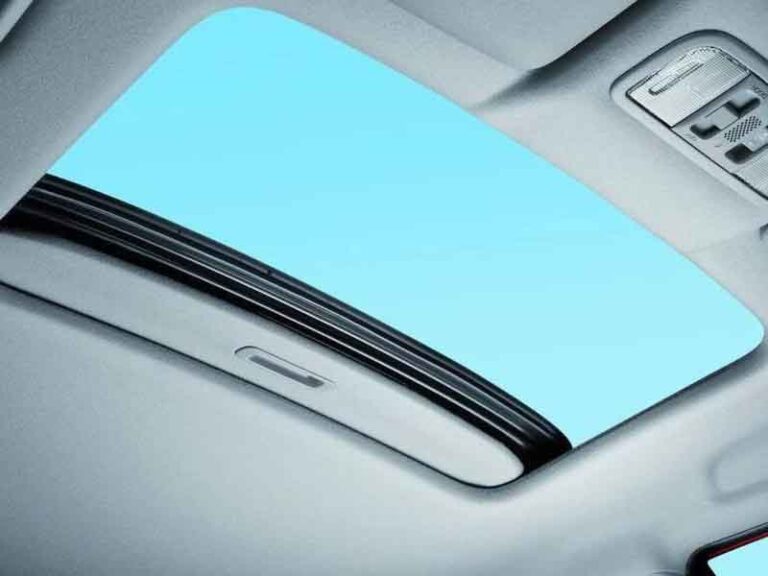
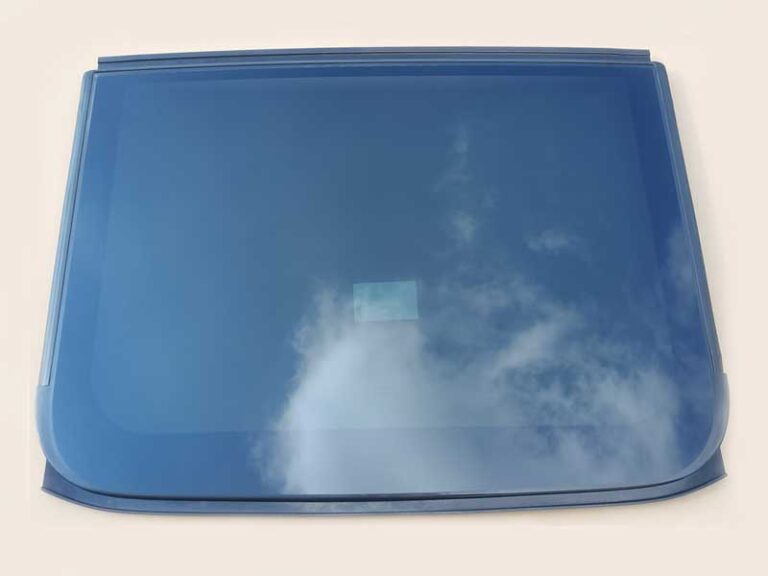
First of all, the core structural differences. Traditional sunroofs are usually a single piece of glass embedded in the roof, and the area is usually relatively small, covering only the front roof area. Most of the frames are opaque metal roof materials, and only a small area in the middle is transparent or openable glass.
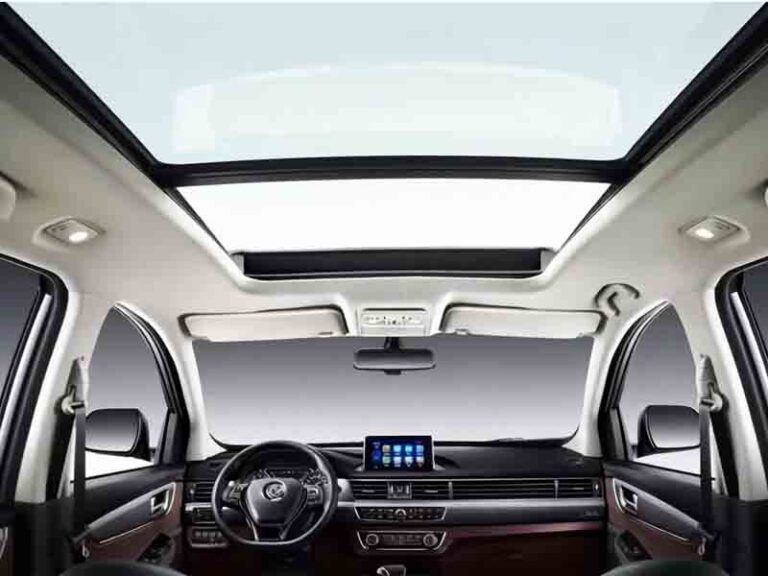
The panoramic sunroof has a much larger area and usually covers most of the roof area, extending from the front row to the back row. Most of them are designed with a whole piece of large glass or two separate glasses at the front and back. Most of the whole roof is made of glass visually, and the overall feeling is stronger.
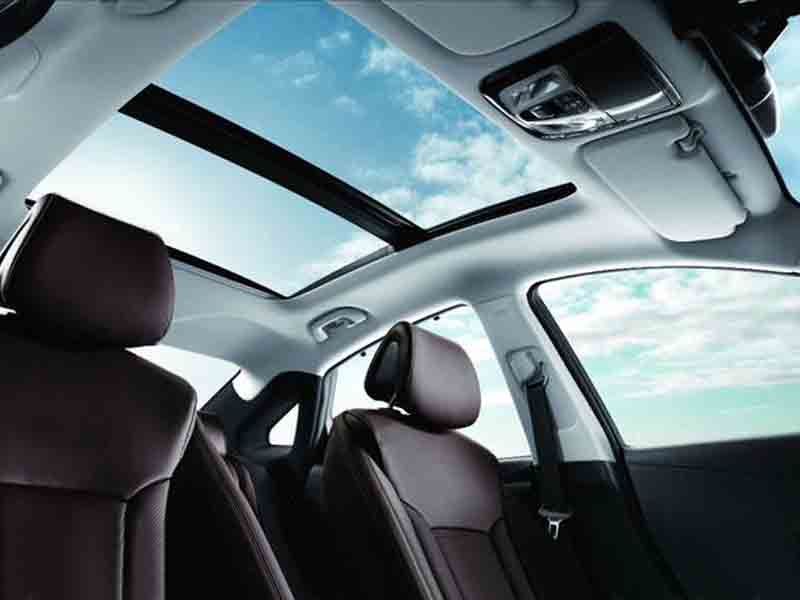
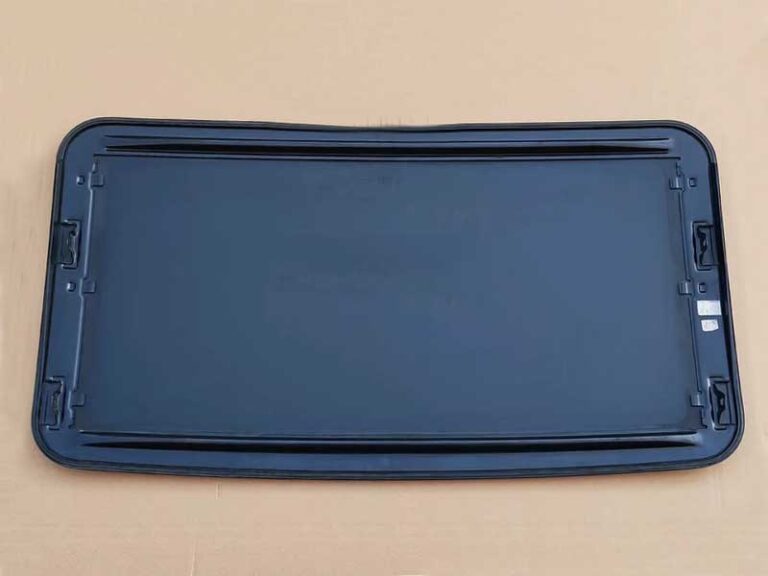
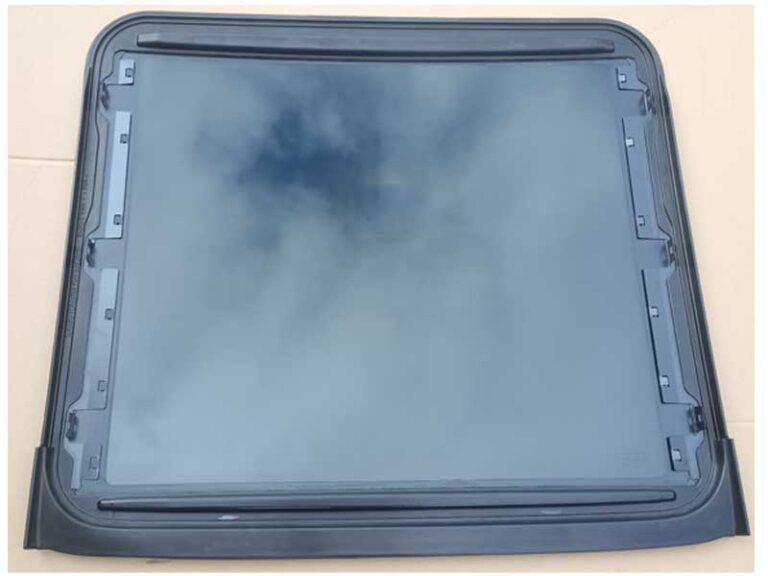
From the technical structure, the traditional sunroof is mainly composed of a glass panel, a sliding mechanism, and a sealing strip, and its structure is relatively simple; Panoramic sunroofs, on the other hand, need more complicated frame support and a strengthening structure, especially the panoramic canopy designed with “one piece of glass”, which requires extremely high glass strength. Take Webasto’s latest panoramic sunroof system as an example. It adopts a three-layer composite toughened glass structure, which is only 4.8mm thick but can withstand the impact force equivalent to 500kg. At the same time, by implanting carbon fiber reinforcing ribs at the glass edge, it not only ensures safety but also realizes lightweight.
Function and experience
The essential difference of the opening mode
Almost all traditional sunroofs have the function of opening, and there are mainly two opening modes: built-in and external sliding. The built-in sunroof can be opened by storing the glass panel in the roof, which has good sealing performance and low wind noise. The external sliding sunroof slides along the outside of the roof through the glass panel, which has more advantages in cost control and is common in economical models.
Panoramic sunroofs are opened in more diversified ways. At present, panoramic sunroofs are mainly divided into three categories: first, the “double sunroof” design, that is, the front row can open the sunroof+the rear row fixed glass, which accounts for 65% of SUV models; Second, it is an “integral openable” type, which can be opened in a large area through a complex double guide rail mechanism. The panoramic sunroof of a representative model, such as the BMW X5, can open an area of 0.8 square meters. The third is the “fixed panoramic canopy”, which is completely unopened and only has the function of lighting. This design is more common in new energy vehicles.
Parameter comparison
| Sunroof | Panoramic Sunroof | |
| Opening mode | External lifting type or internal sliding type, which can be completely opened. | Segmented (front section can be opened/slid) and integrally closed (not opened) |
| sense of space | Only the front row is transparent, and the back row is depressed. | The front and rear rows have a wide field of vision, and the interior space is larger. |
| structural strength | The roof beam is complete, and the influence of body rigidity is small. | The roof beam is cut off or cancelled, and the torsional stiffness of the car body is relatively low. |
| Configuration function | Basic sunshade curtain, some with anti-pinch | Usually equipped with an electric sunshade, high-end models with color-changing glass (light/electric control) |
| maintenance expense | Simple structure, low failure rate and cheap maintenance. | The track and motor are more complicated, with a slightly higher risk of water leakage/abnormal sound and expensive maintenance. |
| Purchase suggestion | Pay attention to practicality and durability, and have no requirements for lighting. | Pursuing the sense of transparency and romantic atmosphere in the car, it is often used in an SUV or home MPV. |
Guide to the purchase and use of sunroof
Analysis of purchasing elements
Different sunroofs adapt to different needs, and can be selected according to core demands: daily commuting, paying attention to reliability and cost, and traditional small-size sunroofs meeting basic needs. The whole family travels, prefers to broaden the sense of space, and can bear the maintenance cost, and the panoramic sunroof is more suitable.
Attention when purchasing: check the anti-pinch function and test whether it automatically rebounds when encountering obstacles; Pay attention to the abnormal sound at different speeds, feel the closed and open states respectively, and check the workmanship defects.
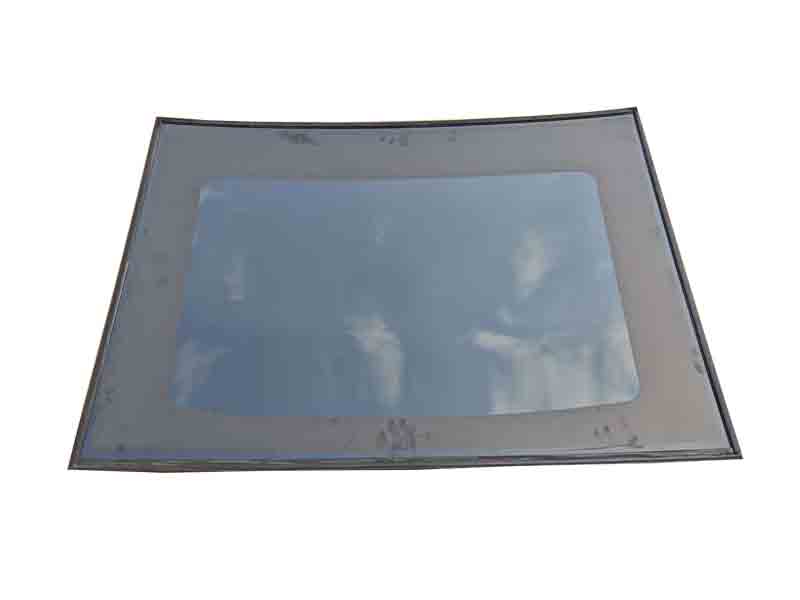
Attention should be paid to daily maintenance: regularly clean up the sundries in the gap of the track to prevent the blockage of the drainage hole and the wear of the track; Apply special grease regularly to keep the sliding smooth; Never forcibly open the sunroof when it is frozen in winter.
Daily use and maintenance
The correct use and maintenance of the sunroof is very important to prolong the service life. Here are some practical suggestions:
Regular cleaning: clean the sunroof guide rail and drain hole to prevent the accumulation of dust and debris from causing jamming or water leakage. Special sunroof cleaner and soft brush can be used.
Lubrication and maintenance: lubricate the sunroof guide rail once or twice a year, use special silicon-based lubricant, and avoid using lubricants that are easy to absorb dust, such as engine oil.
Pay attention to the use environment: try to avoid opening the sunroof on a bumpy road to prevent the guide rail from deforming. It is best to close the sunroof when parking to prevent fallen leaves and rain from entering.
FAQ
Is the post-maintenance cost of a panoramic sunroof high?
Slightly higher than the traditional sunroof. A panoramic sunroof has a more complicated structure, more parts and components, and a relatively high maintenance cost. According to market research, the average maintenance cost of panoramic sunroofs is about 1.5-2 times that of traditional sunroofs. However, with the maturity of technology and the expansion of market scale, this gap is narrowing. Car owners are advised to purchase extended warranty service to reduce potential maintenance risks.
Can a panoramic sunroof make the temperature inside the car too high in summer?
It does have an impact, but it can be alleviated by technical means. Panoramic sunroof without sunshade measures will make the temperature inside the car 5-7℃ higher than that of traditional models in summer. However, most panoramic sunroofs are now equipped with a multi-layer sunshade or dimming glass, which can effectively reduce the temperature inside the car. It is recommended to choose a vehicle with an active sunshade or an intelligent dimming function, and use a sunshade when parking.
Is a sunroof leaking a common problem?
No. With the progress of sealing technology, the leakage rate of modern automobile sunroofs has been greatly reduced. The main reason for water leakage is the blockage of drainage holes or the aging of sealing strips, which can be effectively avoided as long as it is maintained regularly. It is recommended to check the drainage system once every six months and clean up the blockage in time.