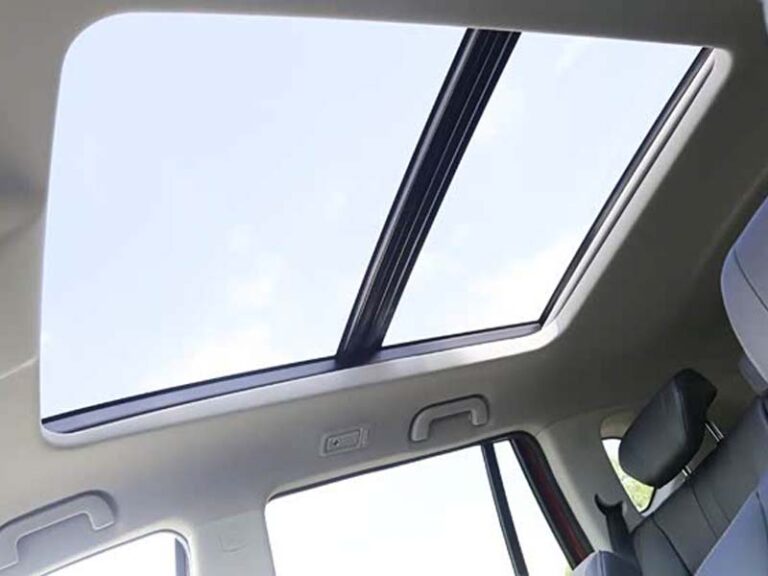
Sliding Sunroof Replacement Tips| How to Avoid Common Mistakes
Replacing the sliding sunroof is an automobile maintenance operation that requires high accuracy. Improper operation can easily leave sequelae such as water leakage, abnormal sound, and switch jamming. Mastering the correct operation skills can avoid the most common mistakes.
Preliminary preparation
Before dismantling the old sunroof, 90% of the preparation work determines the final replacement quality. The most easily overlooked mistake with serious consequences is the blind choice of accessory models.
The correct spare parts purchasing process should include three-dimensional verification: first, check the VIN code (frame number) of the vehicle, and inquire the exact sunroof model through the manufacturer official website or the professional spare parts platform; Secondly, check whether the OE code on the accessory package is consistent with the original car, paying special attention to key parameters such as glass curvature and cross-sectional shape of sealing strip; Finally, pre-assembly tests are carried out on key components, such as whether the motor runs smoothly and whether the sliding of the sunshade is blocked.
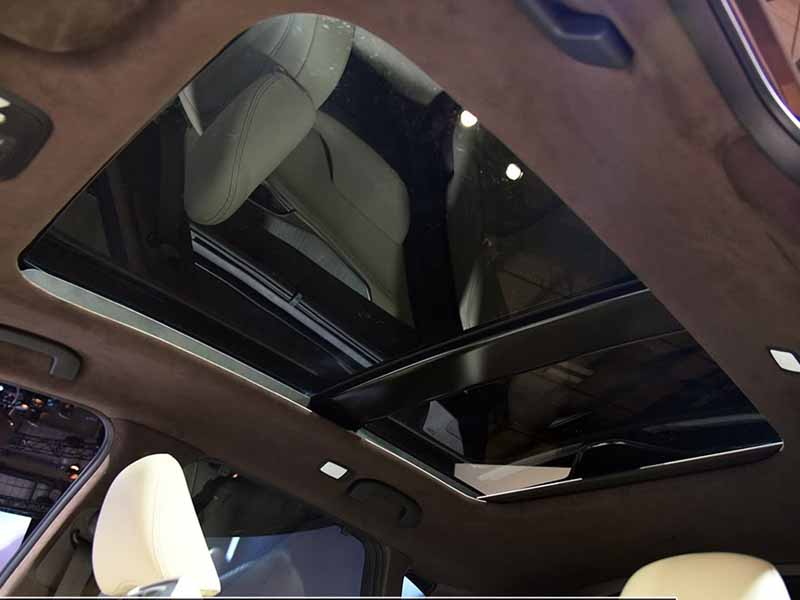
Tool preparation also requires professional consideration. In addition to conventional socket wrenches and screwdrivers, four special tools must be equipped, namely, special disassembly tools for interior trim panels (to avoid buckle breakage), glass suction cups (to prevent glass from breaking), torque wrenches (to ensure accurate fastening of screws), and sealant guns (to ensure uniform application of rubber strips). The standardized operation list of an auto repair chain enterprise shows that the damage rate of the buckle can be reduced from 35% to less than 5% by using a special pry bar for the interior panel. In addition, auxiliary materials such as shielding film (to protect the facilities in the car), isopropanol cleaner (to clean the sealing surface), and grease (to maintain the track) need to be prepared. These details can significantly improve the construction quality.
The disassembly link: accurate operation to prevent irreversible damage
The most common mistake when removing the old sunroof is “violent disassembly”. The correct disassembly process should follow the principle of “electrical first, mechanical first, decorative first, functional second”. It is necessary to remove the interior lighting lampshade, disconnect the harness plug of the sunroof control switch, remove the sunshade assembly, and finally loosen the fixing screws of the sunroof frame.
The removal of old glass needs special care. There is a risk of bursting when the sunroof with tempered glass is dismantled. The correct way is to remove the sealant around the glass (which can be softened by a special solvent), fix the glass with a glass sucker with a buffer pad, and move it out slowly with the cooperation of two people. For the broken glass, it is necessary to cover it with adhesive tape to prevent the debris from splashing, and gradually remove it from the edge to the center. At the same time, the glass residue should be cleaned synchronously with a vacuum cleaner to prevent small debris from falling into the track mechanism.
Installation and calibration
The process of installing a new sunroof is the reverse order of disassembly, but the accuracy is higher, and every detail directly affects the final function and sealing.
Cleaning is the most important step before installation. Special cleaning agent and lint-free microfiber cloth must be used to thoroughly remove all old sealant residues, oil stains, and dust on the roof sunroof opening frame, and glass installation surface. Any tiny particles will form a gap between the glass and the roof, which will become a channel for future water leakage. This is another common mistake: cleaning is not in place in order to catch up with time.
When installing new sunroof glass, you must use the adhesive or sheet metal adhesive specified by the vehicle manufacturer and strictly follow its sizing instructions (such as the shape, width, and curing time of the adhesive tape). Random use of ordinary glass glue or improper dosage will lead to insufficient bonding strength or seal failure. Align the glass with the position marked during disassembly, and carefully put it down with the help of the assistant. Never tighten all the fixing bolts at one time. The correct way is to screw all bolts into several turns by hand, and then tighten them gradually and evenly to the torque value specified by the manufacturer by the method of “diagonal, multiple times and gradual”. Direct single-point locking or excessive torque will lead to stress concentration in the glass, which may be broken by body twisting at that time or in the future.

After installation, never move the vehicle or open or close the sunroof before the adhesive is completely cured (usually 12-24 hours). Let the vehicle rest on level ground. At this time, you can reconnect the battery, but you must resist the urge to test.
Function debugging
At the time of acceptance, the water leakage test should be carried out first. You can use a high-pressure water gun to simulate the rain scene and observe whether there is water leakage around the sunroof. If water leakage is found, it is necessary to check whether the sealant is evenly applied, whether the glass is installed in place, and whether the drainage hole is unobstructed, and make corresponding repairs.
Check the opening and closing function of the sunroof. Operate the opening, closing, and tilting functions of the sunroof many times to ensure that all functions are normal and there is no jamming or abnormal sound. At the same time, check whether the automatic closing function of the sunroof is normal, so as to avoid water entering the car due to forgetting to close the sunroof on rainy days or when washing.
In daily maintenance, it is necessary to regularly clean the dust and sundries on the sunroof guide rail and drain hole to keep the guide rail lubricated. Special sunroof lubricant can be used to smear the guide rail to reduce friction and prolong the service life of the sunroof. In addition, avoid placing heavy objects on the sunroof to prevent the glass from being broken under pressure.
FAQ
Q: What maintenance items should be paid attention to in the daily use of the newly replaced sliding sunroof?
A: For the newly replaced sliding sunroof, the dust and sundries on the guide rail and drain hole should be cleaned regularly in daily use to avoid blockage; Special lubricant can be used to smear the guide rail every month to reduce friction; Avoid opening and closing sunroofs at high speed on bumpy roads to prevent parts from being damaged; After the rainy day, check whether there are any traces of water leakage around the sunroof, and handle it in time if there are any abnormalities.
Q: When replacing the sliding sunroof, which accessories must be replaced together?
A: When replacing the sliding sunroof, the sunroofglass is the core replacement component; In addition, it is suggested to replace the sealing rubber strip at the same time to avoid water leakage caused by aging of the old rubber strip; If the sunroof guide rail is seriously worn, it also needs to be replaced; If the motor and control module are not damaged, you can choose whether to replace them according to the actual situation, but if they are old models, it is recommended to check the status of these components at the same time.
Q: When the sliding sunroof occurs, it must be replaced and cannot be solved through maintenance?
A: When the sliding sunroof has a large area of broken glass that can’t be repaired, the sunroof can’t be opened and closed completely due to serious deformation of the guide rail, the motor is burnt out and there is no adapter to replace, and the frame is corroded, which seriously affects the structural safety, it is usually necessary to directly replace the sunroof assembly, and simple maintenance can’t solve the core problem.