Wholesale Car Sunroof Glass Price List 2026: OEM vs Aftermarket Purchasing Guide
In the automobile maintenance, vehicle assembly, and modification industries, the purchase cost of automobile sunroof glass directly affects the terminal service pricing and the profit margin of merchants.
In 2026, the adjustment of the upstream raw material price and supply chain pattern will make new changes in the price range and cost-effective relationship between OEM and aftermarket products. This guide will help buyers to clarify the differences between products in different channels and make more suitable purchase choices based on the latest market conditions.
OEM sunroof Glass: Original Quality and Pricing Logic
OEM (Original Equipment Manufacturer) sunroof glass refers to the specific parts that are officially authorized by the vehicle manufacturer or directly produced and supplied by the original parts supplier of the vehicle.
This kind of sunroof glass is completely consistent with the sunroof glass directly installed by the original factory when the vehicle leaves the factory in terms of material selection, manufacturing process, technical specifications, structural design, and appearance details. It ensures the same matching degree, reliability, and overall performance as the original parts, and is the first choice to replace the original quality and design integrity when the vehicle is repaired or replaced.
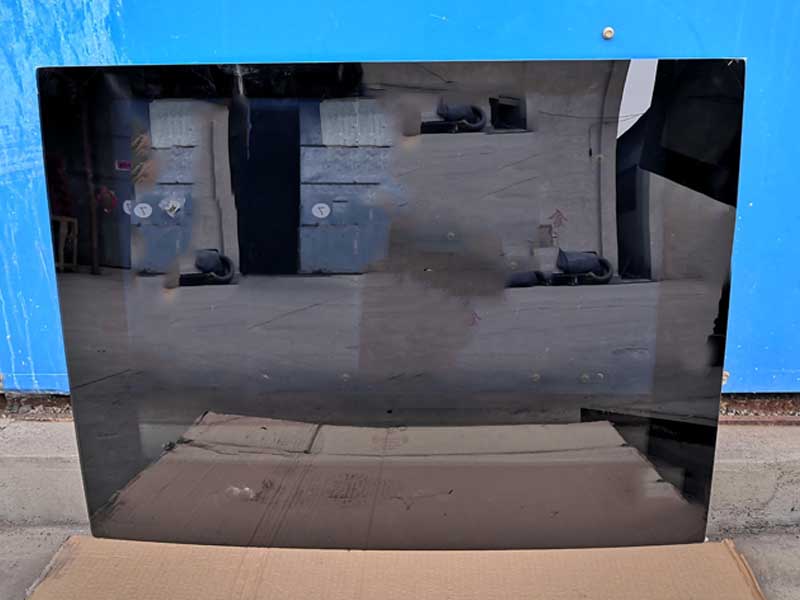
In terms of quality and adaptability, OEM glass strictly follows the technical standards of the main engine factory and has clear specifications on key indicators such as light transmittance, impact strength, sound insulation performance, and curvature accuracy.
Each piece of glass has undergone strict factory inspection to ensure a perfect fit with the sunroof frame of the vehicle, and there are almost no hidden dangers, such as loose sealing or abnormal sound after installation.
Logically, the price of OEM sunroof glass usually includes the following cost elements: brand premium, original factory certification fee, special packaging and logistics, and perfect after-sales warranty service.
Therefore, the wholesale unit price of OEM products is in a high range among similar products, but its biggest advantage lies in zero adaptation risk and being ready-to-use, especially for high-end brand models or vehicles still within the original warranty period.
Aftermarket sunroof glass: cost performance and market positioning
The so-called sunroof glass in the aftermarket usually refers to the substitute products developed and produced by independent third-party parts manufacturers, rather than the original parts equipped when the vehicle leaves the factory.
In recent years, with the rapid development and continuous breakthrough in the manufacturing technology and process level of the whole auto parts industry, the comprehensive quality of automotive sunroof glass launched by after-sales brands with excellent quality and reliable reputation has been significantly improved, and the key performance indicators and durability are approaching the OEM level of the original factory.
In terms of quality and technology, the sunroof glass of the head after-sale brand also adopts automobile-grade tempered glass or laminated glass technology, which has good ultraviolet resistance, heat insulation and explosion-proof performance. However, due to the uneven technological level of different manufacturers, it is necessary to conduct strict qualification screening for suppliers when purchasing.
In terms of price advantage, the wholesale price of Aftermarket sunroof glass is usually 30% to 50% lower than that of OEM, which is mainly due to the elimination of brand authorization fees, OEM certification fees, and more flexible supply chain management. For wholesalers who purchase in large quantities, this price difference means considerable profit space.
Comparison of core differences between OEM sunroof and Aftermarket sunroof
1. Quality and certification standards
In the production process of OEM sunroof glass, it must be implemented in strict accordance with the full set of technical standards and certification system set by the main engine factory, covering the all-round verification process from material selection, manufacturing process to final product.
Specifically, these certification systems include strict testing of the physical and chemical properties of raw materials used in glass to ensure that their strength and durability meet the standards; It is also necessary to pass a long-term environmental simulation aging test to test the performance stability of the product under various temperature, humidity, and ultraviolet light conditions;
At the same time, it is necessary to carry out detailed optical performance tests to evaluate whether the light transmittance, refraction, and anti-glare effects of glass meet the requirements of driving safety and visual comfort.
In contrast, although high-quality Aftermarket products usually follow the basic safety norms prevailing in the industry and can provide universal safety certification issued by national or international standards organizations, there may be significant differences in quality consistency between different brands and even different batches of the same brand.
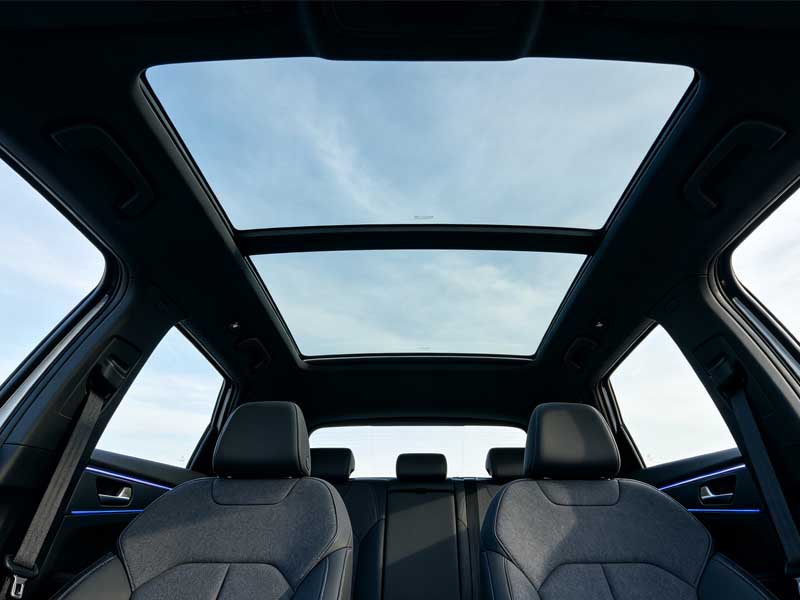
This is mainly because the production standard of after-sales parts is relatively flexible, and the supply chain management and quality control process may not be as strict and unified as the original factory system.
Therefore, wholesalers, as intermediate circulation links, should pay special attention to the compliance and reliability of suppliers when purchasing after-sales replacement parts.
When selecting, priority should be given to those suppliers who can provide complete factory inspection reports and have the certification of authoritative third-party organizations (such as ISO quality certification, industry safety signs, etc.) to ensure that the purchased products not only meet the basic safety requirements in performance, but also can be guaranteed in terms of long-term use reliability and after-sales service.
2. Adaptability and installation experience
The curvature, thickness, and edge treatment of OEM glass are completely consistent with the original vehicle, and no additional adjustment is needed during installation. However, some Aftermarket products may have slight deviations in details such as edge chamfering and sealing groove size, which may not affect normal use, but experienced technicians may be required to make fine adjustments during installation.
3. Supply cycle and inventory pressure
OEM sunroof glass typically needs to be ordered from the main engine factory or authorized channels, and the supply cycle is lengthy. Some unpopular models may even require a wait of several weeks.
Because the supply chain of Aftermarket products is more flexible, the commonly used specifications of mainstream models are usually in stock, and the delivery cycle can be shortened to 1 to 3 days, which helps wholesalers reduce the inventory turnover pressure.
FAQ
Q: Can Q:OEM sunroof glass and aftermarket glass be common?
A: In most cases, the size and radian of the two can basically match, but OEM glass is designed accurately for specific models, and the fit and sealing performance are better after installation; Most aftermarket glasses are general-purpose models, which may require additional adjustment to achieve the ideal installation effect, and some models may have adaptation deviation.
Q: What should I pay attention to when replacing the sunroof glass?
A: First of all, it is necessary to confirm the compatibility between the product and the vehicle type, and give priority to purchasing through regular channels; When installing, it should be operated by professionals to ensure that the sealant is evenly applied to avoid water leakage; After replacement, check whether the opening and closing functions of the sunroof are normal and whether the sealing effect is up to standard.
Q: How long is the supply cycle of sunroof glass?
A: OEM sunroof glass usually needs to be ordered from the main engine factory or authorized channels, and the supply cycle is long; some unpopular models may have to wait for several weeks. The supply chain of Aftermarket products is more flexible, and the commonly used specifications of mainstream models are usually in stock, and the delivery cycle can be shortened to 1 to 3 days, which helps wholesalers reduce the inventory turnover pressure.