Car Sunroof Maintenance Methods and Tips
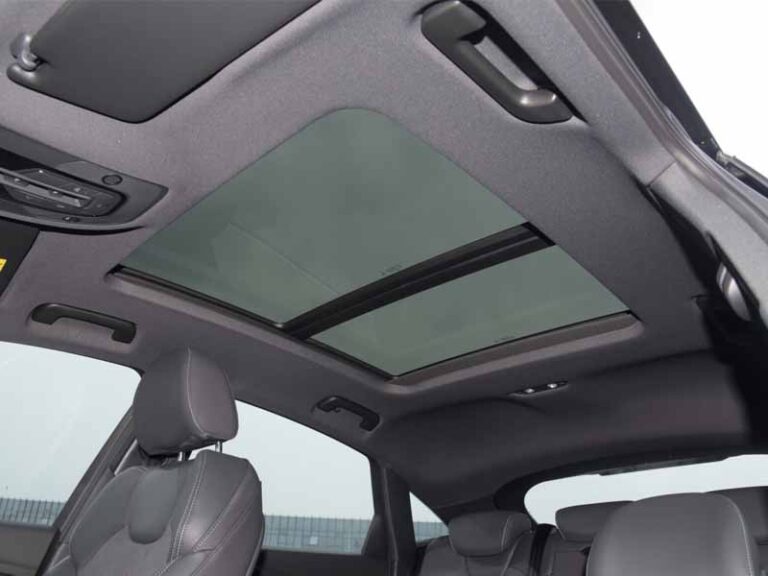
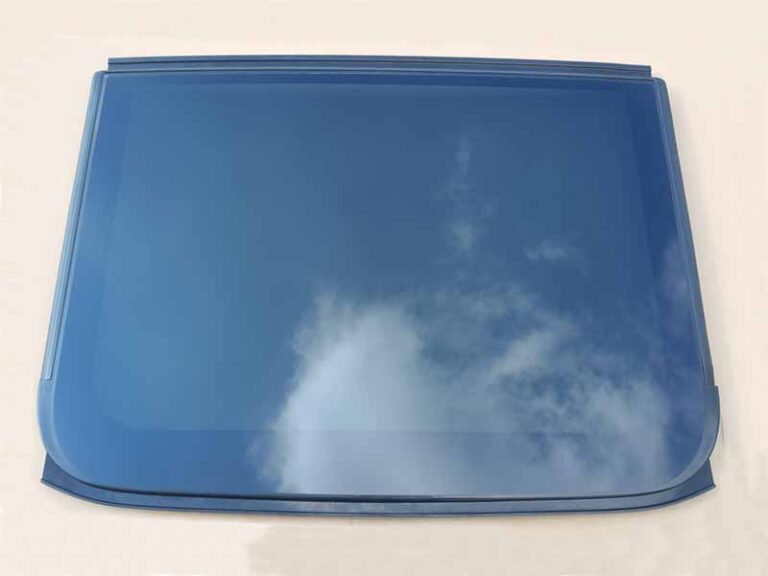
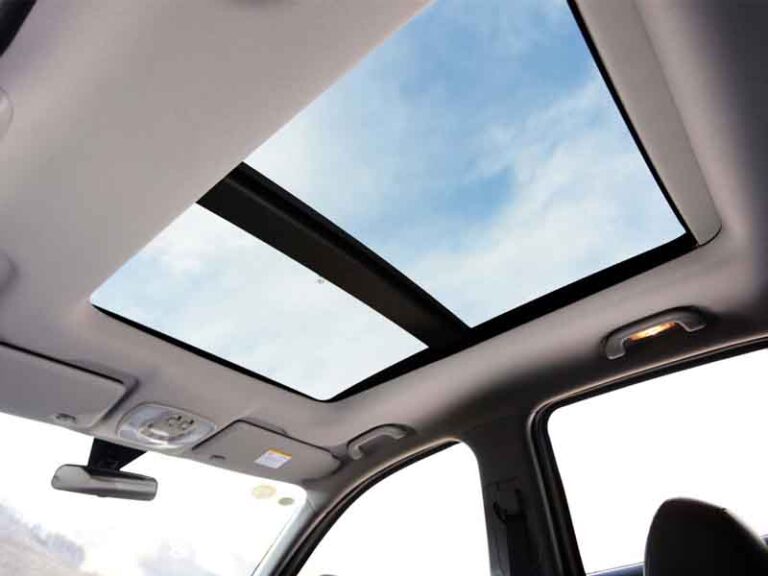
As an important configuration to improve the driving experience, an car sunroof can introduce fresh air and improve the lighting in the car. However, many car owners often ignore its daily maintenance, which leads to problems such as water leakage, abnormal sound, or a stuck sunroof in advance. In fact, through scientific maintenance methods, the service life of the sunroof can be extended for a long time. Houming Sunroof will list the methods of maintaining the sunroof to help car owners maintain the sunroof scientifically and simply.
Regular cleaning
The sunroof track and drainage system are the most important maintenance items, and their cleaning frequency should be adjusted according to the use environment.
In dusty or defoliated areas, it is recommended to carry out deep cleaning every two weeks; Clean it at least once a month in an ordinary urban environment.
When cleaning the track, first open the sunroof completely, and gently sweep it along the track direction with a soft brush to remove floating dust and fallen leaves. For stubborn stains in the gap, the suction head of the vacuum cleaner can be close to the gap, and particles such as gravel can be sucked out by using the negative pressure principle. Pay special attention to the groove areas on both sides of the track, which are the most likely places for debris to accumulate. After cleaning, it is necessary to check whether the drainage trough is unobstructed: the drainage trough is located at the four corners of the sunroof, and each corner is connected with a drainage pipe leading to the bottom of the car.
Check and replace
Sealing rubber strip is a key component to prevent rainwater from infiltrating into the car. It is made of rubber or silica gel, which is prone to aging when exposed to sunlight, rain and temperature changes for a long time. The common manifestations of rubber strip aging include: surface cracks, loss of elasticity (unable to rebound quickly after pressing), edge warping or local damage.

The rubber strip inspection shall be conducted once a month, and the inspection methods are as follows: in sunny days, the sunroof is completely closed, and whether the adhesive strip is closely attached to the sunroof frame or not is observed; Gently press the rubber strip with your fingers to feel its elasticity; Carefully check the corners and joints of the rubber strip, which are stress concentration points and are most prone to aging. In daily maintenance, the surface of the adhesive tape can be gently wiped with a slightly wet soft cloth (superfine fiber cloth is recommended) to remove corrosive substances such as attached dust and bird droppings. It is necessary to apply rubber care agent once a quarter, spray the care agent evenly on the surface of the rubber strip, and wipe off the excess liquid with a cloth after waiting for 5 minutes, which can effectively delay the aging process.
When the rubber strip appears in the following situations, it needs to be replaced: the local crack length exceeds 2cm, it is damaged in many places, and it is hardened or deformed as a whole.
Pay attention to abnormal signs
sunroofs should be stable and quiet during normal operation. If there is abnormal noise or poor operation, it is usually an early signal of failure and needs to be dealt with in time.
When any abnormality is found, stop using the sunroof immediately to avoid the fault from expanding. Basic inspection can be carried out first: clean up the track sundries, check whether the lubricant is sufficient, and observe whether the track has obvious deformation. If the problem still exists after self-treatment, you need to contact professional maintenance personnel in time.
proper operation
The service life of motor and mechanical structure of sunroof is closely related to usage habits, and the correct operation method can significantly prolong its service life.
First of all, avoid frequent opening and closing of the sunroof, and complete opening or closing at one time each time to reduce the number of motor starts and stops. The current at the moment of motor start-up is 3-5 times that of normal operation, and frequent start-up and stop will accelerate motor aging. Secondly, after the sunroof is completely opened or closed, the switch should be released in time to avoid holding the switch for a long time to make the motor in an overload state. Modern automobile sunroofs usually have a protection mechanism, which will automatically cut off the power when they are in place, but it is still recommended to develop the habit of letting go in time.
During the driving of the vehicle, the state of the sunroof should be adjusted according to the road conditions: avoid fully opening the sunroof when driving at high speed to avoid the deformation of the sunroof frame caused by airflow impact; Before passing through the bumpy road section, the sunroof should be closed in advance to prevent severe vibration from damaging the mechanical structure.
Seasonal depth inspection
The climate characteristics in different seasons have different effects on sunroofs, so targeted maintenance measures should be taken.
In case of windy and dusty weather, we should focus on strengthening track cleaning and sealing tape protection.
In case of high temperature and rainy weather, it is necessary to ensure a smooth drainage system and check the sealing performance of rubber strips.
There are many fallen leaves, so it is necessary to clean up the track debris frequently.
Low temperature freezing requires paying attention to antifreeze and lubrication.
Seasonal maintenance is best combined with regular maintenance of vehicles, and the sunroof system can be checked simultaneously every time the oil is changed.

Maintenance of moving parts
The moving parts of the sunroof include slide rails, hinges, gears, etc. The lubrication condition of these parts directly affects the running smoothness and noise level of the sunroof.
There are many kinds of lubricants on the market, but not all of them are suitable for sunroof maintenance. Choose silicon-based lubricant special for sunroof, because this special lubricant has the characteristics of high temperature resistance, aging resistance, not easy to absorb dust and so on, and can form a lasting protective film on metal surface.
Lubrication operation shall be carried out after track cleaning is completed.
The specific steps are as follows: firstly, wipe the track surface with a clean rag to remove residual oil and moisture; Then the lubricant is evenly coated on the friction contact surface of the slide rail, and the key parts include the front and rear slide rails, the side guide grooves and the hinge joint; It is advisable to apply a thin layer, too much will lead to overflow and pollution of the interior; Finally, the sunroof is repeatedly opened and closed for 3-5 times, so that the lubricant can fully penetrate into all moving parts. The lubrication frequency is recommended to be once every quarter, and it can be shortened to once every two months if the vehicle is often used in dusty environment.
FAQ
Can I use ordinary butter or vaseline for sunroof maintenance?
You can’t. Ordinary butter and vaseline are petroleum-based lubricants, which are not only easy to absorb dust and sediment, accelerate rail wear, but also may corrode the rubber sealing strip of sunroof and affect sealing performance, so they are not recommended.
What should I do if the sunroof leaks?
Most of the water leakage of sunroof is caused by the blockage of drainage hole. When maintaining, pay attention to regularly cleaning the fallen leaves, dust and other sundries in the drainage hole, and dredge the drainage channel to improve it. If the water still leaks after dredging, it may be caused by the aging deformation of the sealing strip or the displacement of the sunroof. It is recommended to go to a professional repair shop for treatment.
What is the feeling of being stuck when the sunroof is opened?
This situation is mostly caused by track fouling and insufficient lubrication. It can be solved by thoroughly cleaning the sediment impurities in the track and then re-lubricating according to the specifications. If it is still stuck after treatment, it may be that the track is deformed or the gear parts are worn, so it needs to be inspected and repaired in the store.