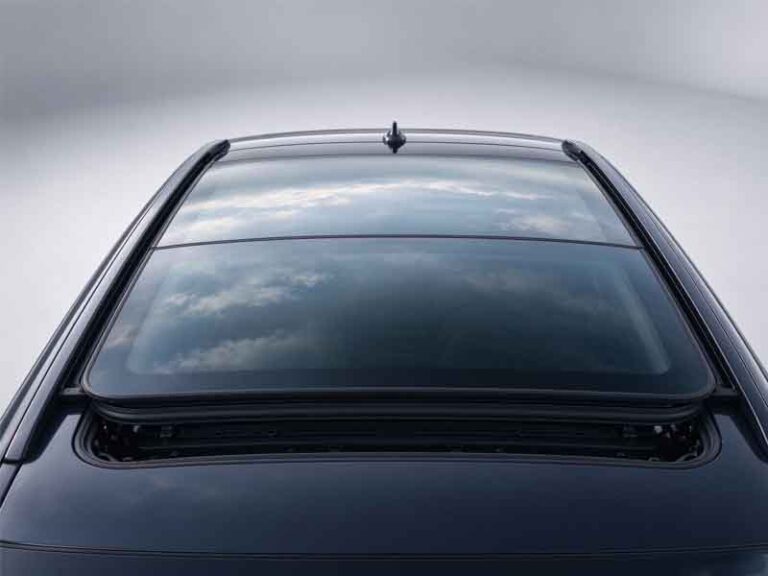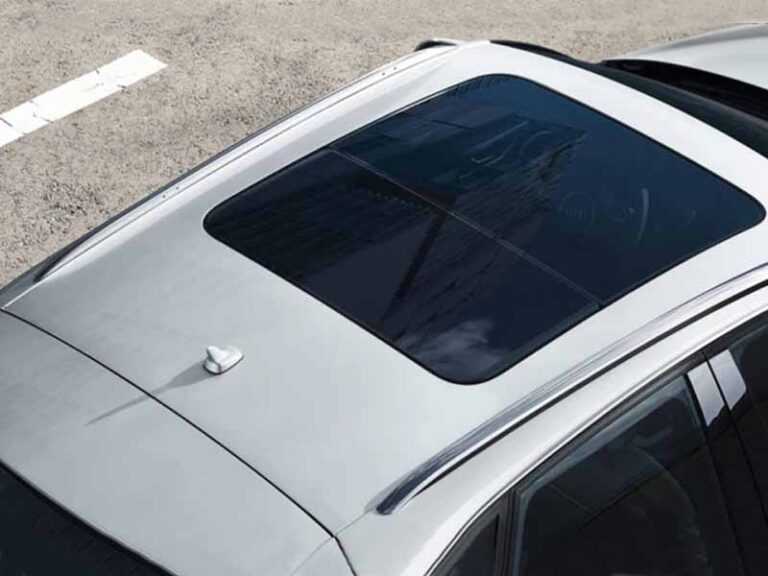
Automotive Sunroof Glass for Electric Vehicles
With the vigorous development of the new energy automobile industry, automotive sunroof glass is undergoing an unprecedented technological change.
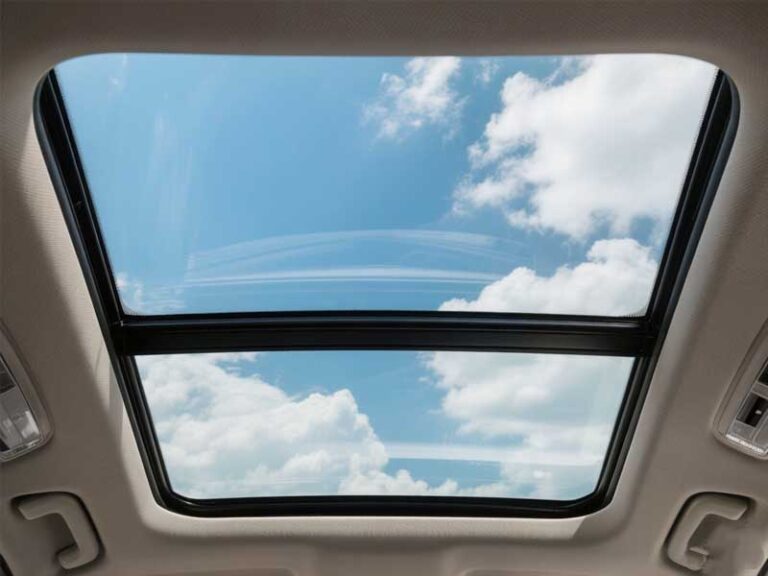
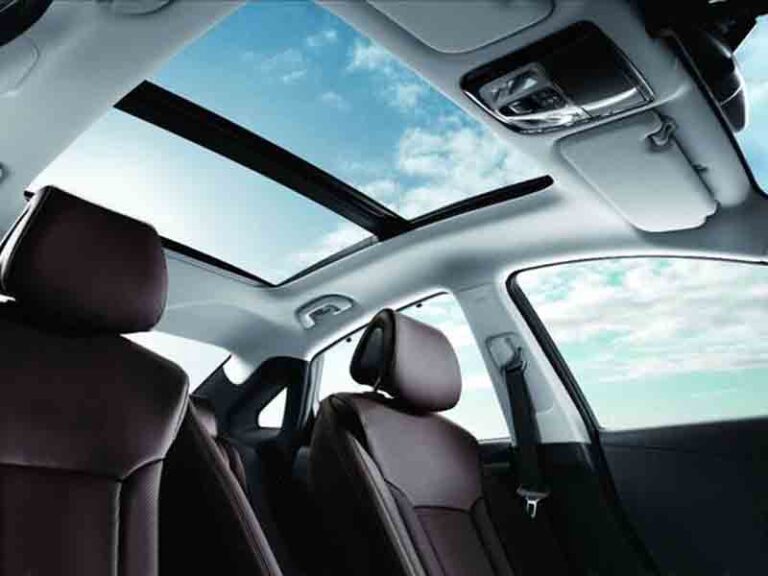
From simple sunshade and rain protection at first to the high-tech components integrating lightweight, intelligent dimming, solar power generation, and safety protection, the sunroof glass of electric vehicles is no longer a dispensable configuration, but one of the core interactive interfaces of the intelligent cockpit.
Technical iteration direction of new energy sunroof glass: solving three core pain points
The core difference between new energy vehicles and traditional fuel vehicles means automotive sunroof glass must address three pain points that were largely ignored in the era of fuel vehicles: thermal radiation suppression, lightweight design, and impact resistance.
These three pain points are also the core direction of technology research and development in the current industry.
The first pain point is thermal radiation suppression. New energy vehicles rely on batteries to provide power, and the air conditioning system will directly consume battery power and affect vehicle life. Sunroof glass is the largest transparent top surface of the whole vehicle.
In summer, direct sunlight will lead to a rapid increase in cabin temperature, forcing the air conditioning system to increase power output and directly reducing vehicle endurance.
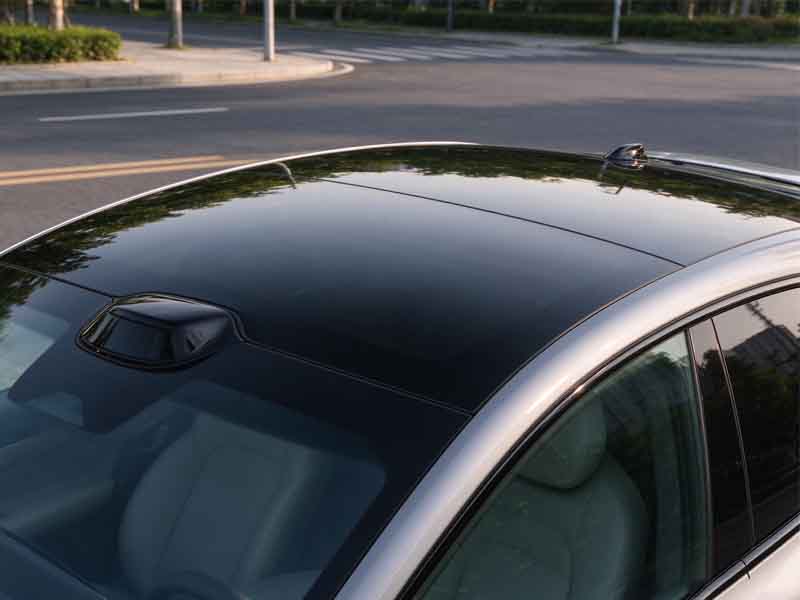
Mainstream low-radiation-transmission coating technology in the industry can filter out more than 90% of infrared thermal radiation while maintaining high visible-light transmittance, greatly reducing cabin temperature rise from sunlight without sacrificing users’ lighting experience.
The measured data show that the new energy vehicle equipped with this kind of low-radiation sunroof glass, after exposure in summer, has a cabin heating speed that is 15-20 degrees Celsius slower than that of ordinary sunroof glass, and the energy consumption of air conditioning is reduced by more than 10%, which directly improves the actual cruising range of the vehicle.
The second pain point is weight. In order to balance the vehicle load caused by the battery weight, new energy vehicles impose strict requirements for the lightweighting of every part of the car body.
The thickness of traditional sunroof glass is usually between 3.5 and 5 mm, and the weight of the whole sunroof glass exceeds 10 kg, which becomes a big burden for the lightweighting of the car body.
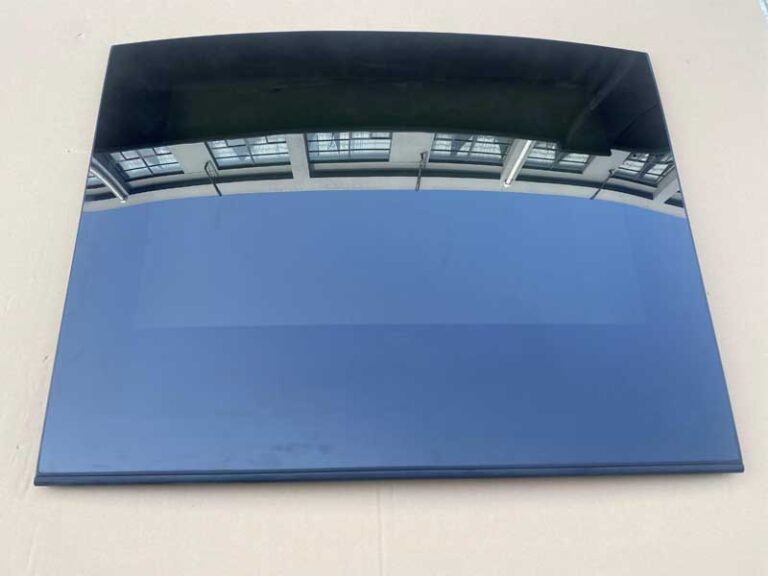
Through a special glass substrate formula and tempering process, the industry has developed ultra-thin sunroof glass with strength up to standard and a thickness of only 2.8 mm. Compared with traditional products, it has reduced weight by more than 30% while maintaining the same impact resistance, which perfectly meets the lightweight requirements of new energy vehicles. Lightweight not only reduces the weight of the whole vehicle, but also reduces the load of the roof structure, which indirectly reduces the design and manufacturing cost of the car body.
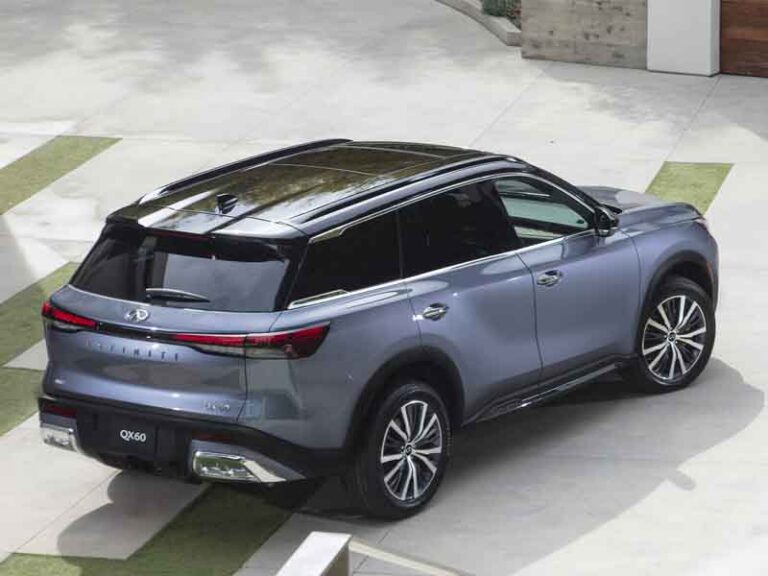
The third pain point is structural impact resistance. Panoramic sunroof design is widely used in new energy vehicles. The area of the sunroof glass is much larger than that of traditional vehicles. A larger area means greater wind resistance and environmental stress, and it also places higher requirements on the structural strength of the glass.
By improving the tempering process and edge treatment technology, the impact resistance of large-size automotive sunroof glass can be improved by more than 20%, which can effectively cope with the stress changes under the impact of gravel and extreme temperature changes at high speed, reduce the cracking risk in later use, and also reduce the after-sales claim pressure of car companies.
Prospect of future development trend of sunroof glass for new energy vehicles
In the next five years, there will be three clear trends in the development of automotive sunroof glass for new energy vehicles, and these trends will also redefine the competition pattern of the industry, and buyers need to make a good layout in advance.
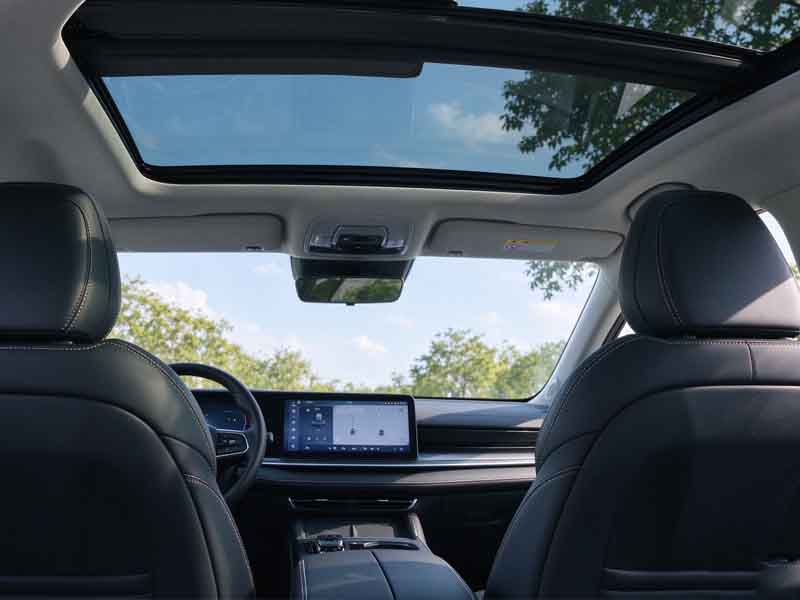
The first trend is functional integration. Sunroof glass is no longer just a glass component; it will integrate more and more functions, such as solar power generation, sunroof dimming, antenna integration, etc.
Industry-leading manufacturers have been developing sunroof glass integrated with solar film, which can provide power for vehicle auxiliary systems and further reduce battery consumption, which is also an important development direction of the next generation of new energy vehicles.
The second trend is the further improvement in customization demand. Different brands of new energy vehicles with different prices will have more and more different demand for sunroof glass. High-end vehicles will pursue higher light transmittance and intelligent functions, and entry-level vehicles will pay more attention to cost and lightweight design.
Suppliers must be able to provide layered product solutions to meet the needs of different market segments. At present, the product matrix covering different price bands has been established in the industry, which can provide adaptive solutions for different positioning models.
The third trend is supply chain localization.
The supply chain layout of the global automobile industry is shifting from “cost priority” to “toughness priority”, and automobile enterprises are increasingly inclined to choose suppliers that are close to the main production areas to reduce the risk of supply chain fluctuations.
Mainstream manufacturers have completed the production capacity layout of the world’s major automobile industry clusters ahead of schedule, and established production and R&D bases in North America, Europe, and East Asia, which can meet the demand of car companies in different regions for close delivery.
To sum up, the era of new energy vehicles has brought new opportunities and challenges to the automotive sunroof glass industry. Only suppliers who truly focus on the core needs of new energy vehicles, from technology research and development and capacity layout to customer service, can take the initiative in future market competition.
FAQ
Q: How long is the regular lead time?
A: The normal delivery cycle of standardized mass-produced sunroof products is 2-4 weeks, and the customized adaptive products are usually 6-12 weeks according to the complexity of vehicle development.
Q: Does Houming sunroof support flexible switching between small-batch trial production and mass production?
Answer: It supports the capacity switch from small-batch trial production to mass production. The switching period for manufacturers of different scales usually ranges from 1-4 weeks.
Q: Do you support OEM customized OEM services?
Answer: OEM customized OEM service can be provided, which can simultaneously adapt to the exclusive requirements of customers’ appearance, function, and installation structure.