Sunroof Not Opening Causes and Inspection Steps
In most cases, a sunroof not opening comes down to four things — the switch, the motor, the track, or a power supply interruption — and the symptom pattern itself tells you which one to look at first.
Mastering some basic troubleshooting methods and maintenance knowledge can not only save time and maintenance expenses, but also better maintain the long-term good condition of the vehicle configuration.
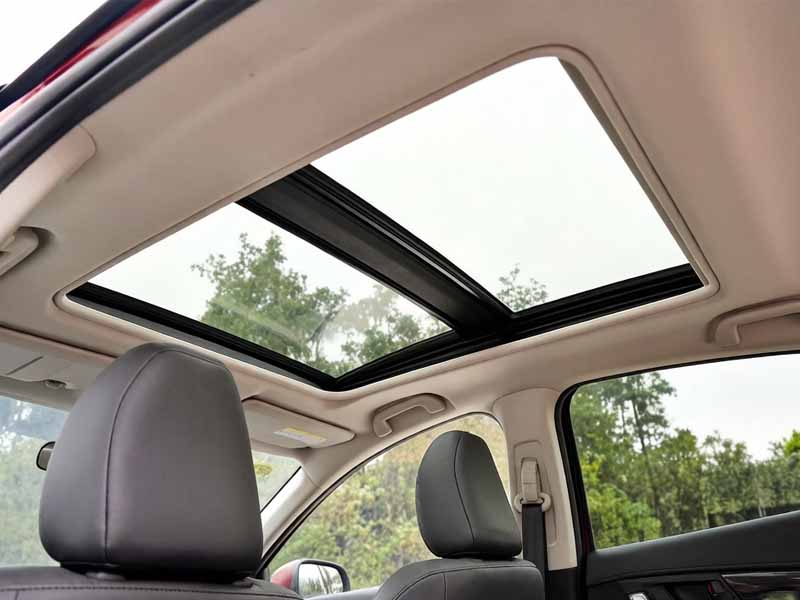
Identify the Symptom
Switch failure: the easiest entry problem for sunroof inspection
If the sunroof can’t be opened, the first thing to suspect is that there is something wrong with the switch itself. Long-term, frequent pressing and damp dust may cause the internal contacts of the switch to wear out or short-circuit. Panoramic sunroof problem detection is also the same method.
Line open circuit: an invisible problem hidden behind the interior decoration
If there is a current sound after the switch is pressed, but the sunroof is unresponsive, it is likely that the line is open. The power supply line of the sunroof is usually hidden under the interior trim panel of the roof. Long-term bumps and aging may lead to broken lines or loose plugs.
When checking the wiring, it is necessary to remove the interior trim panel near the sunroof, find the wiring plug of the sunroof motor, and measure whether there is voltage at the plug with a multimeter. If there is no voltage, you need to check along the line in the direction of the fuse box, focusing on the bends and plug connection points where the line passes.
Motor damage: strike signal of the sunroof power core
If the switches and related circuits are carefully checked and confirmed to be normal, it can basically be determined that the sunroof drive motor itself is damaged.
If the motor is in a high-load operation state for a long time, or dust and water vapor enter the interior, it may cause problems such as excessive wear of the internal carbon brush and burning of the coil, so that it cannot output enough power to drive the sunroof to operate normally.
| Symptom | What to Verify | Stop-Condition | Action |
| Pressing the switch produces no sound and no movement at all | Switch press feedback (soft/no tactile response indicates worn contacts); fuse condition per the owner’s manual fuse map, checked with a fuse tester | Stop if the fuse is blown and the cause of the blow is unknown — do not install any fuse, and never a higher-rated one | Clean switch contacts if they respond poorly; if the fuse is confirmed blown, trace the overload cause first, then fit an identical-rating fuse |
| Motor sound is present, but the glass does not move | Track condition: visible debris, dried lubricant, hardened grime; rubber strip aging or deformation | Stop if the rail is visibly deformed or seriously worn — cleaning and lubrication will not fix a mechanical deformation | Clear debris from the track, apply sunroof-specific lubricant (never ordinary engine oil), cycle the glass to distribute it; replace the track assembly if deformed |
| The sunroof moves intermittently or slower than normal, sometimes stopping partway | Where in the travel it hesitates (points to a specific rail section); drain hole flow rate after the next car wash; seal condition at the hesitation zone | Stop if hesitation worsens between checks or the glass stops in a new position each time — send for assessment instead of forcing the mechanism | Clean and lubricate the flagged rail section; keep drains clear; if the pattern persists after maintenance,submit the symptom log for assessment |
Check Vehicle-Specific Instructions
There is no universal “sunroof not opening” procedure, and any article that pretends otherwise will eventually cost you time. Sunroof assemblies differ substantially between makes, generations, and even trim levels — the motor position, the switch logic, the anti-pinch behavior, and the fuse numbering all vary.
What to look up before doing anything? Your owner’s manual, first. It lists the exact fuse assignment for the sunroof and often describes basic symptoms the manufacturer anticipated. If the manual mentions a fuse number, use that number — not a generic diagram found online for “similar” cars.
Model-specific forums and service documentation. Owners of the same model and year frequently document the exact failure modes their sunroof generation is prone to, from switch wear to track seal aging. Matching your symptom against known issues for your specific vehicle saves a lot of guesswork.
The parts picture. Knowing what the switch assembly, the motor, and the track look like on your car — and roughly what replacements cost — helps you judge whether a fix is proportionate. If you’re evaluating parts sourcing, our guide on choosing a reliable sunroof glass supplier covers what to verify before ordering.
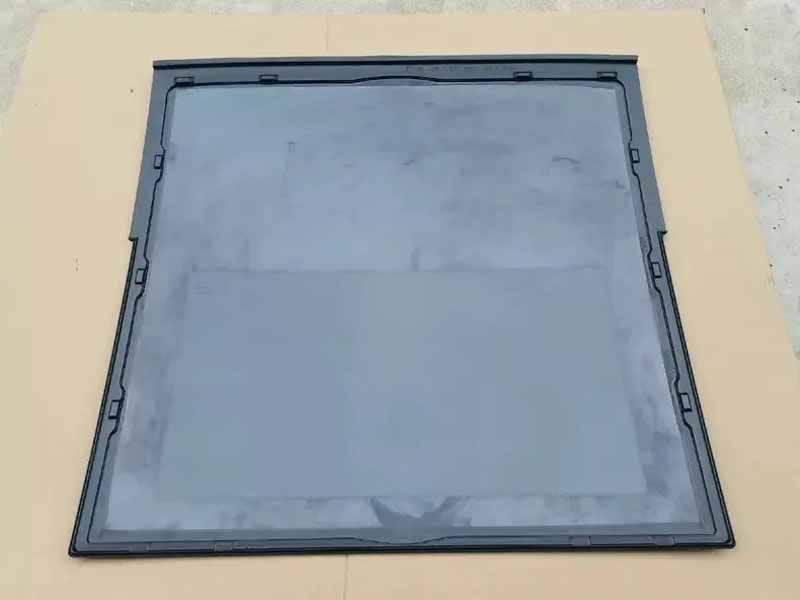
Mechanical Warning Signs
Electrical causes tend to be binary — power arrives, or it doesn’t. Mechanical causes announce themselves gradually, and recognizing the warnings early is what keeps a track cleaning from becoming a track replacement.
What to Send for Assessment
Some problems are genuinely owner-level; others need a technician or a supplier with the right test equipment. The goal of this section is to help you send the right information — not the whole car, and not a guess.
What to include
A useful assessment request is short and factual: vehicle make, model, and year; which of the three symptom patterns you observed; whether the motor sound is present; the switch feel; the fuse status; and anything you’ve already done (cleaned, lubricated, replaced).
Photos of the track area and the seal help a lot. That package lets a supplier or shop give you a real answer instead of a parts-menu recommendation.
If you’re gathering parts or need a professional opinion, the team at Houming Sunroof can review what you send and tell you which direction — switch, motor, or track — your symptoms actually point to, before you spend anything on parts.
Need replacement sunroof glass? Send your model year, part number, panel photos, and quantity for a fitment check. Request a Quote.
FAQ
Q: Why does the sunroof of the car appear to be stuck?
A: Most of the jams are caused by the accumulation of dust and debris in the track and the drying of the lubricant, and a few are caused by the deformation and wear of the track. Cleaning the lubrication in the right way can improve it, and the track needs to be replaced if it is severely deformed and worn.
Q: What do you need to do for the daily maintenance of sunroofs?
A: Clean the dust and impurities in the track regularly, replenish special lubricant at intervals, and pay attention to checking the drain hole of the sunroof after washing the car in the rainy season to avoid blocking the accumulated water.
Q: Can we use ordinary engine oil at home to lubricate the sunroof track?
A: No, ordinary engine oil is more likely to absorb dust, but it will accelerate track fouling and jamming. Be sure to use the special lubricant for the sunroof.