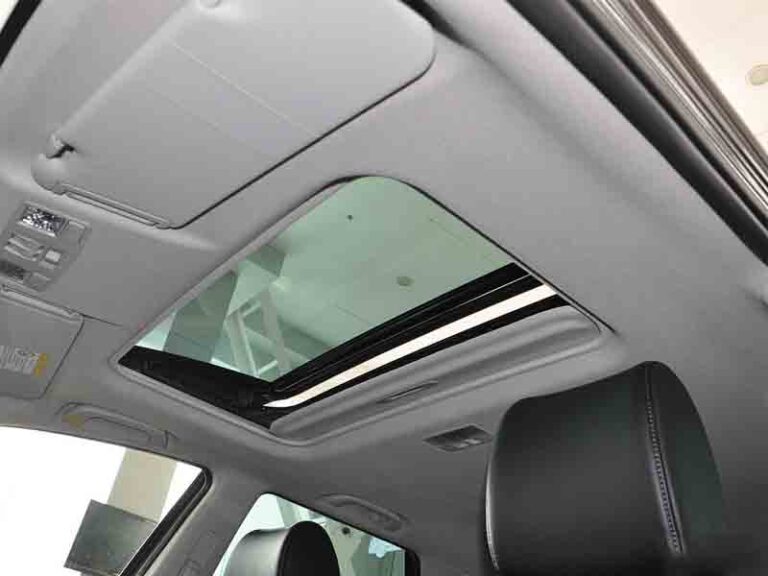
A Buyer’s Guide to Custom Automotive Sunroof Glass Manufacturers in China
In the global auto parts supply chain, China’s customized automobile sunroof glass manufacturers occupy a position by virtue of their strength. From the perspective of cost control, China’s perfect upstream and downstream industrial chain, from glass raw material processing to precision mold manufacturing, can effectively reduce the extra cost of production links and enable overseas buyers to obtain high-quality products at more competitive prices.
Choosing a custom-made automobile sunroof glass manufacturer with reliable quality, good reputation, and professional counterparts is the fundamental and key premise to ensure excellent final product quality, effectively control the overall production cost, and maintain a smooth and stable supply chain for a long time.
First, the core qualification and production capacity.
First of all, we must strictly check the compliance qualification and related certification of automobile sunroof manufacturers to ensure that they have obtained legal licenses and standard certification for specific export markets, so as to minimize potential compliance risks.
Secondly, it is necessary to comprehensively evaluate the actual production capacity and professional customization ability of enterprises, confirm whether the production scale of sunroof manufacturers can match the order volume, and deeply understand whether they have the technical strength to develop and customize molds according to the specific structure, size parameters, and design requirements of different models.
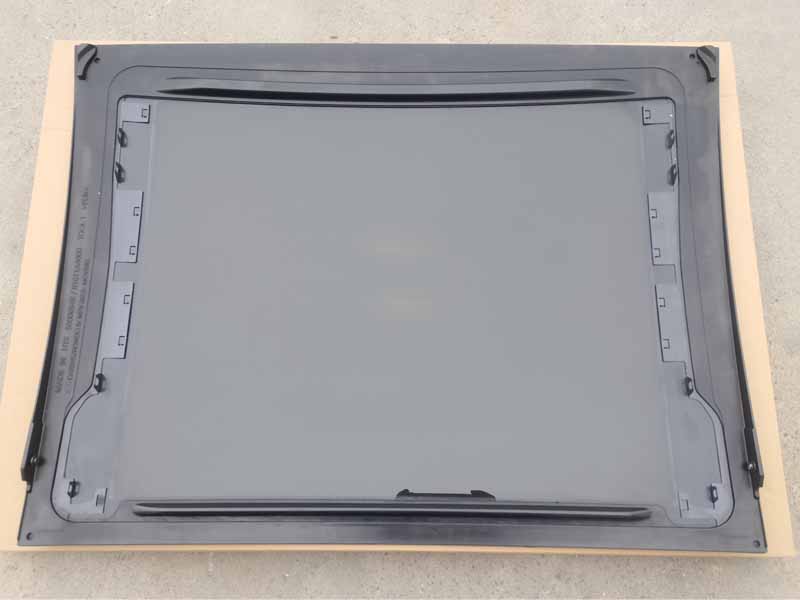
In addition, it is necessary to focus on whether its production system can flexibly adapt to the whole process requirements from initial small batch trial production verification to subsequent stable mass production, so as to realize the dynamic coordination between production rhythm and order demand.
Second, a detailed description of the product’s core technology and all-around quality control.
As an important safety component and functional component in the whole vehicle structure, the sunroof glass of the automobile has extremely strict requirements on driving safety and vehicle adaptability. Therefore, when selecting and evaluating manufacturers, it is necessary to thoroughly and systematically inspect their core technical reserves and technological capabilities.
The first task is to confirm whether the manufacturer has fully mastered and matured key processing technologies such as physical tempering, chemical tempering, and composite interlayer, which are the basis for ensuring that glass products meet the mandatory national and industrial safety standards.
In addition, it is necessary to evaluate its technology research and development and product customization ability, that is, whether it can flexibly provide products with additional functional characteristics according to the specific needs of the main engine factory or market, such as adding various functional coatings to enhance thermal insulation effect, integrating sound-absorbing sandwich materials to improve driving quietness, or adopting special glass formulas that can effectively block ultraviolet rays.
At the same time, it is an indispensable key link to conduct on-the-spot visits or rigorous document verification on the all-round and systematic quality control process of the manufacturer’s factory.
It must be confirmed that it has established and strictly implemented a quality control system covering the whole product life cycle, so as to ensure that there are clear, corresponding, and traceable detection nodes and standards from the source inspection of high-quality raw materials to the process control of each precision machining process until the final inspection of the final product before leaving the factory.
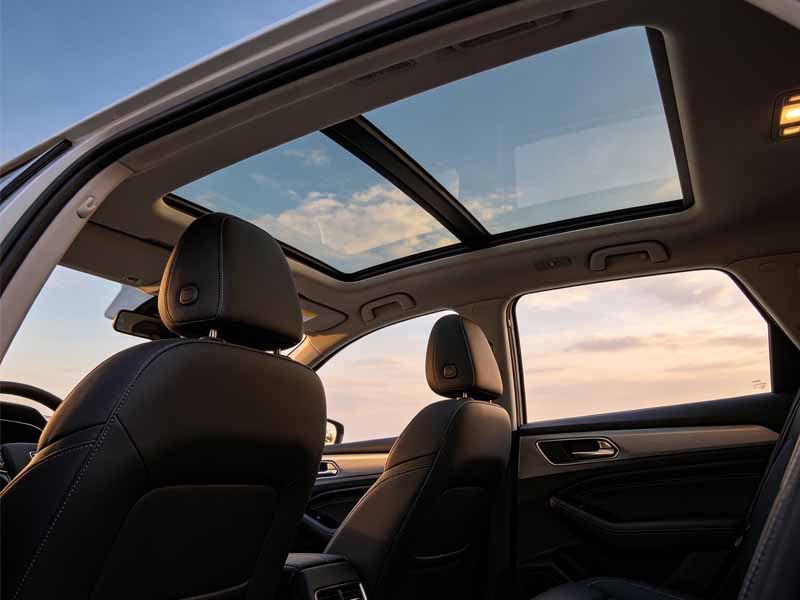
Specifically, each batch of sunroof glass products must complete a series of mandatory and standardized testing items, which should at least include: professional stress tests to verify the uniformity and strength of stress distribution inside the sunroof glass; Strict sealing tests to evaluate the waterproof and dustproof performance of the joint between the sunroof assembly and the body frame;
And fitting degree detection to simulate the installation state of the real vehicle and ensure the perfect matching of product size, curvature and connecting mechanism with the target vehicle type. Only through such strict technology and quality control can we truly ensure the reliability and excellent quality of sunroof glass products.
Third, supply chain and service capability assessment
In the procurement process, stable and reliable delivery ability is one of the core considerations, so it is necessary to confirm the stability and continuity of the manufacturer in raw material supply.
Especially to see whether it has established a long-term and stable strategic cooperative relationship with the top glass raw material suppliers in the industry, and whether this cooperative relationship can fully guarantee that all kinds of orders can be delivered in strict accordance with the time node agreed in the contract.
At the same time, it is also necessary to systematically evaluate the comprehensive after-sales service ability of the manufacturer to confirm whether it can provide efficient and professional technical support and docking services throughout the whole stage of pre-sales, sales, and after-sales.
For example, whether it can actively cooperate with customers to complete the early adaptation and debugging work in the mold opening stage of the product to ensure the smooth landing of the design scheme; After the product is delivered, if there are any quality problems or technical failures, can the manufacturer respond quickly and provide effective solutions in time, thus ensuring the continuity and stability of customers’ production or operation.
Four, the cost and cooperation terms of careful combing and confirmation
In the final stage of project promotion, it is necessary to systematically and comprehensively sort out the cost structure. In addition to paying attention to the unit price of the product itself, it is necessary to deeply confirm various potential costs.
Such as mold opening fee, transportation fee, logistics arrangement, and minimum order quantity requirements, to ensure that all possible expenditure items are taken into consideration, so as to effectively avoid unexpected additional costs caused by unclear costs in subsequent cooperation.
At the same time, the core rights and responsibilities of both parties must be clearly defined at the initial stage of cooperation, including but not limited to the specific standards of product quality, accurate delivery time period, responsibility attribution, and response mechanism of after-sales service, etc.
By communicating these key terms in advance and implementing them in a written agreement, we can not only effectively prevent possible disputes and misunderstandings in the future, but also lay a solid foundation for the establishment of a stable and lasting cooperative relationship between the two sides and realize the long-term development goal of mutual benefit and win-win.
FAQ
Q: How long is the custom cycle of sunroof?
A: The sample cycle of the conventional sunroof is 7-10 days, and the mass production is 15-20 days; The sample period of special customization (such as curved glass and special coating) is 15-20 days, and the mass production is 25-30 days, which needs to be adjusted according to the order quantity and process complexity.
Q: Will the sunroof leak if it is not used for a long time?
A: As long as the sealing strip is not aged or damaged, the drainage hole should be cleaned regularly, and there will be no water leakage if it is not used for a long time. It is recommended to check the rubber strip and drainage system every 3 months.
Q: Can the sunroof glass withstand falling objects?
A: The original sunroof glass has been tempered, which can bear a certain weight of falling objects from high altitude, but large-volume and high-impact objects may still cause damage. When parking, try to avoid trees or aerial work areas.