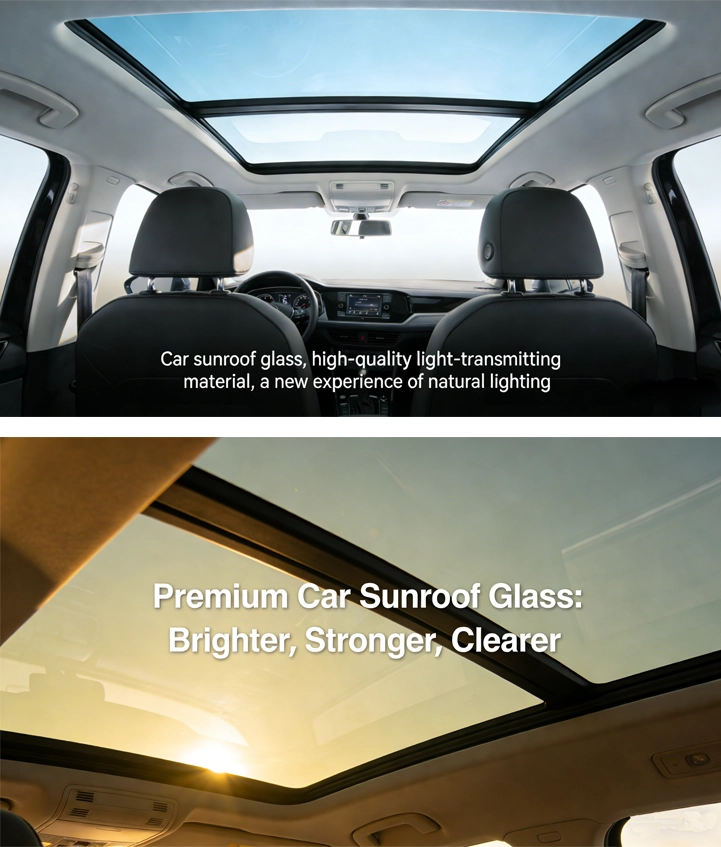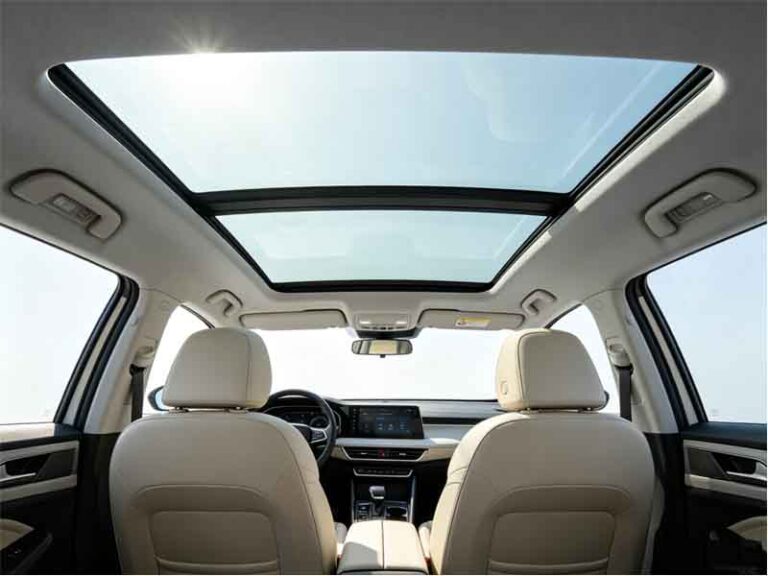
How to Choose Vehicle Sunroof Glass for Car Owners
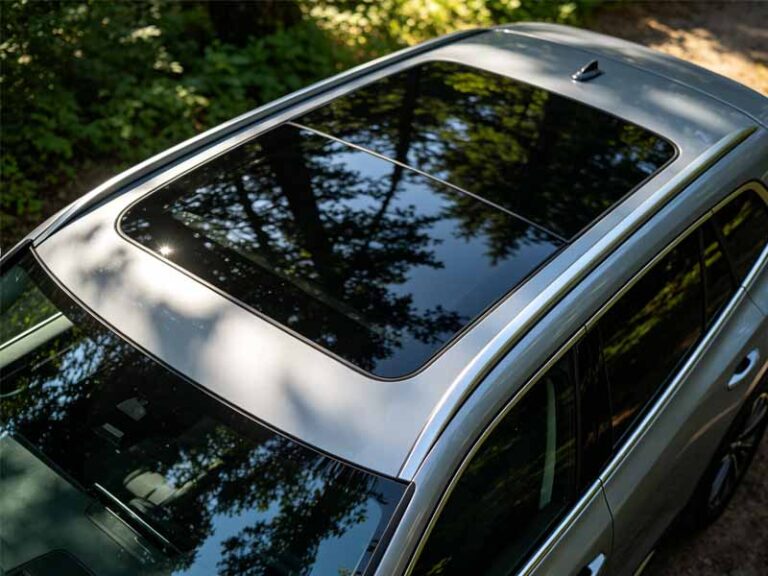
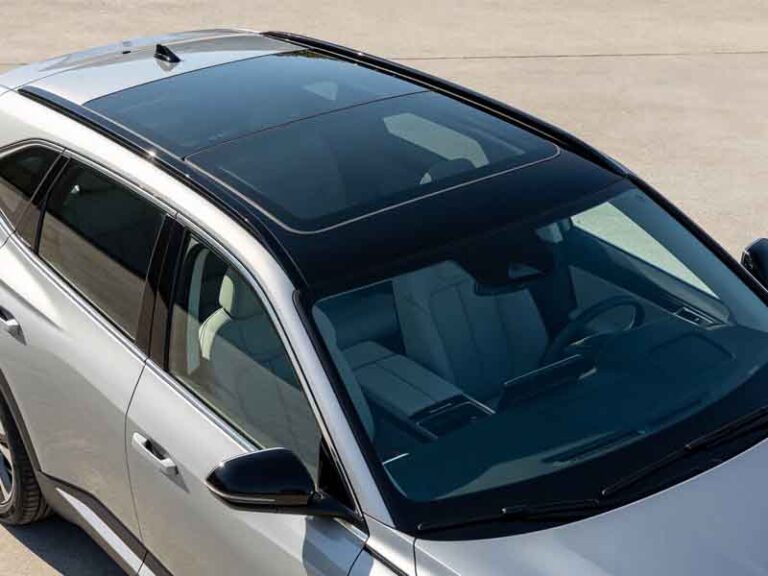
Vehicle sunroof glass is not only a configuration to improve lighting and ventilation in the car, but also an important component related to driving safety and driving experience. Especially when replacing the sunroof glass, the wrong product may lead to water leakage, abnormal sounds, and even safety hazards.
Combined with the export experience of Houming sunroof for many years, the appropriate sunroof glass was selected from four dimensions to avoid misunderstandings.
- Understand the main types and materials of Vehicle sunroof glass.
- Matching the sunroof parameters of the model: accurate adaptation will not leave hidden dangers.
- Pay attention to the performance index of sunroof glass: sound insulation, heat insulation and safety
- Daily maintenance: the key to prolong the life of sunroof glass
Understand the main types and materials of Vehicle sunroof glass.
First of all, we can carefully screen and consider the material and performance characteristics of glass. Priority should be given to safety vehicle sunroof glasses with a higher safety level after special process treatment, such as tempered glass and laminated glass.

When this kind of safety glass breaks under the impact of external force, its fragments will take on a special shape, usually in the form of small obtuse particles or closely adhered to the interlayer in the middle, instead of splashing and scattering into a large number of sharp fragments like ordinary glass.
This feature can minimize the risk of secondary scratches and stab wounds that may be caused to drivers and passengers in the car after the glass is broken, thus significantly improving the passive safety protection level during driving.
At the same time, this kind of optimized safety glass often performs better in optical and thermal properties. They usually have better heat insulation and ultraviolet blocking ability, which can effectively reduce the infiltration and accumulation of heat into the interior space caused by strong direct sunlight in summer, and help to maintain a more comfortable temperature environment in the car.
This not only improves the driving comfort, but also reduces the energy consumption burden of the air conditioning system to some extent. In addition, blocking harmful ultraviolet rays can also slow down the aging and fading speed of vehicle interior parts, such as the instrument panel and seat fabric, which is of positive significance for protecting the aesthetics of the interior and prolonging its service life. Therefore, considering safety and functionality, it is a wise decision to choose this kind of glass.
Matching the sunroof parameters of the model: accurate adaptation will not leave hidden dangers.
When choosing a vehicle sunroof, you must ensure that the purchased product is highly matched with the specifications and parameters of your own model.
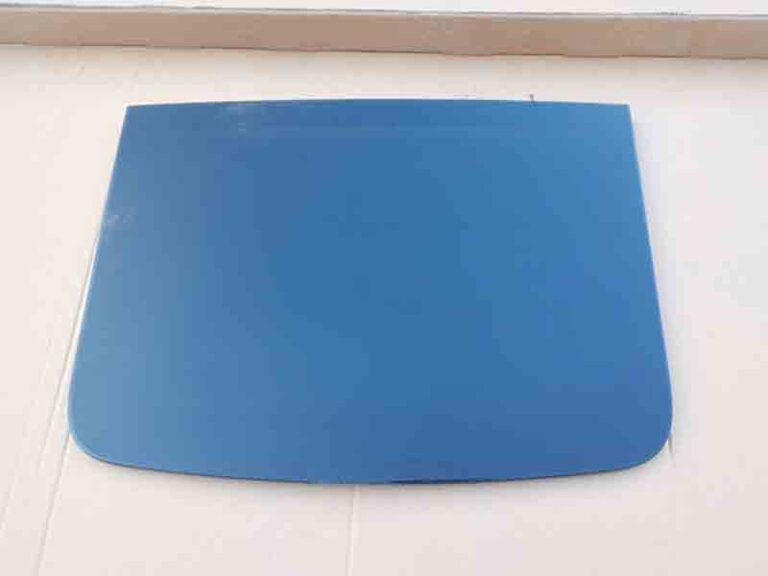
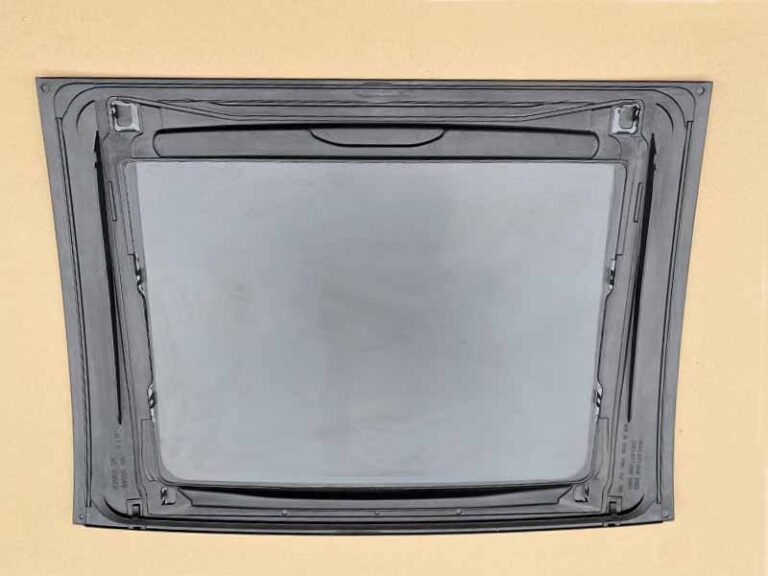
This is because different brands and even different models of cars under the same brand often have exclusive customized designs for the exact dimensions of sunroofs, the radian curves of glass, and the overall frame structure, which cannot be completely universal.
Therefore, it is necessary to carefully check and choose the sunroof products that are completely consistent with the original factory specifications when purchasing the automobile sunroof glass.
Otherwise, if the sunroof that does not meet the specifications is forcibly installed, it will easily lead to a series of disturbing problems in later use, such as the untidy seal between the sunroof and the roof frame, which will cause annoying air leakage noise when driving at high speed, or water seepage and water leakage on rainy days, and even infiltrate the interior in serious cases.
In addition, mismatched components may also lead to unsmooth operation of the sunroof during opening or closing, resulting in jamming and abnormal sound, which will accelerate the wear of the motor and guide rail in the long run and affect the overall service life and experience of the vehicle sunroof.
Pay attention to the performance index of sunroof glass: sound insulation, heat insulation and safety
sound insulation value
A vehicle sunroof is one of the largest openings in the car body. If the sound insulation performance of glass is poor, the wind noise will be very obvious when driving at high speed. Because the PVB film in the middle has a damping effect, laminated glass can effectively absorb sound wave vibration, and its sound insulation effect is significantly better than tempered glass.
For car owners who often run at high speed, choosing laminated glass or acoustic laminated glass can obviously improve the quietness of driving.
Heat insulation and sun protection
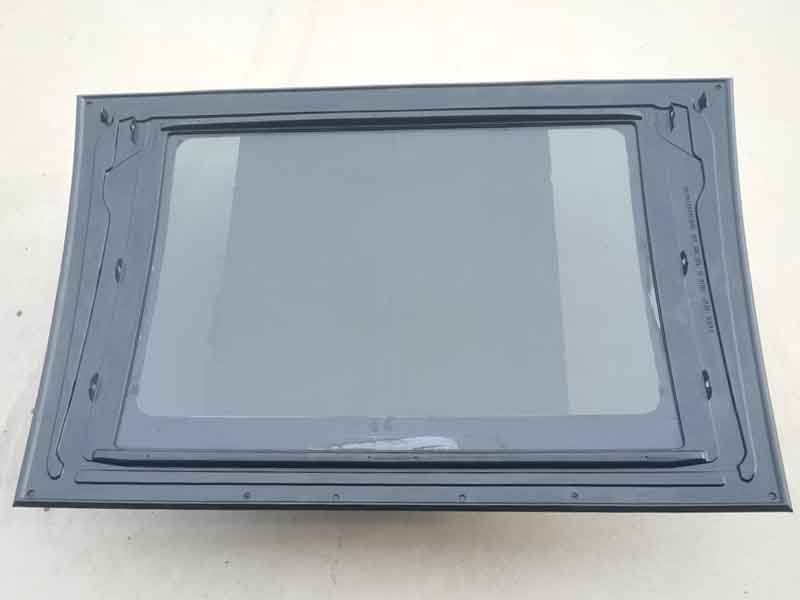
The thermal insulation performance of vehicle sunroof glass mainly depends on two factors: glass substrate and coating process. High-end sunroof glass usually adopts a multilayer structure of “double silver plating +PVB damping layer +LOW-E coating”, which can effectively reflect infrared rays and absorb thermal radiation.
Purchase suggestion
If you often drive short distances in urban areas, the sound insulation and heat insulation performance of tempered glass is basically sufficient; If you often run at high speed or live in an area with strong sunshine, it is recommended to give priority to laminated glass with LOW-E coating. Although the price is higher, it provides a quieter and cooler driving experience.
Finally, we should choose the brand products of formal channels, and not covet the cheap products of three non-subsidiary factories. Qualified brand glass not only has higher workmanship accuracy, but also provides corresponding installation services and after-sales guarantee, which can better ensure the use experience and driving safety.
Daily maintenance: the key to prolong the life of sunroof glass
Choosing the right sunroof glass, daily maintenance can not be ignored. Good maintenance habits can significantly extend the service life of sunroofs and avoid expensive maintenance costs.
Clean the glass and sealing strip regularly.
Use ammonia-free automotive glass cleaner and a microfiber cloth to clean sunroof glass, and avoid using household glass cleaner, because ammonia will corrode the rubber sealing strip and window film.
The sealing strip is the first line of defense to prevent water leakage. It is recommended to use a silicone-based rubber protectant for cleaning and maintenance every quarter to prevent rubber from hardening and cracking due to ultraviolet radiation.
Clean the drainage channel
The blockage of the sunroof drainage hole is the number one cause of water leakage in the car. Leaves, dust, and sundries are easy to accumulate in the drainage trough, which hinders drainage. It is recommended to use a flexible drainage brush or compressed air to clean the drainage pipeline every six months to ensure smooth drainage.
Lubricating mechanical mechanism
Sliding rails and hinges of sunroofs need to be lubricated regularly to keep them open and close smoothly. It is recommended to use a silicone-based lubricant (avoid using petroleum-based products, which will corrode rubber parts), apply a small amount to the slide rail and moving parts, and then open and close the sunroof several times to make the lubricant evenly distributed.
Regular professional inspection
In addition to daily maintenance, it is recommended to go to a professional repair shop for a comprehensive inspection of the sunroof system once a year, including the running state of the motor, the wear and tear of the slide rail, the aging degree of the sealing strip, and the smoothness of the drainage system. Professional technicians can find hidden dangers that are difficult for car owners to detect.
FAQ
Q: Can I use ordinary cleaner to clean the sealing strip?
A: It is not recommended to use ordinary cleaners containing alcohol and gasoline to clean rubber sealing strips. Such solvents will accelerate the aging of sealing strips. It is recommended to use neutral cleaning products with a silicon-based rubber protectant for care.
Q: What should I pay attention to when cleaning the sunroof glass?
A: Clean the sunroof glass with a neutral and mild cleaner and a soft cloth to avoid scratching the glass with hard tools, to prevent scratches on the glass surface from affecting the transparency and strength, and to avoid corrosive cleaners from damaging the surrounding sealing strips.
Q: Can the slightly hardened sealing strip be repaired?
A: If the surface layer is only slightly hardened and there is no cracking or deformation, regular maintenance with a silicone-based rubber protective agent can restore the elasticity of the rubber to a certain extent and prolong the service life of the sealing strip. If cracks and shrinkage deformation have occurred, it is recommended to replace them as soon as possible to avoid water leakage.