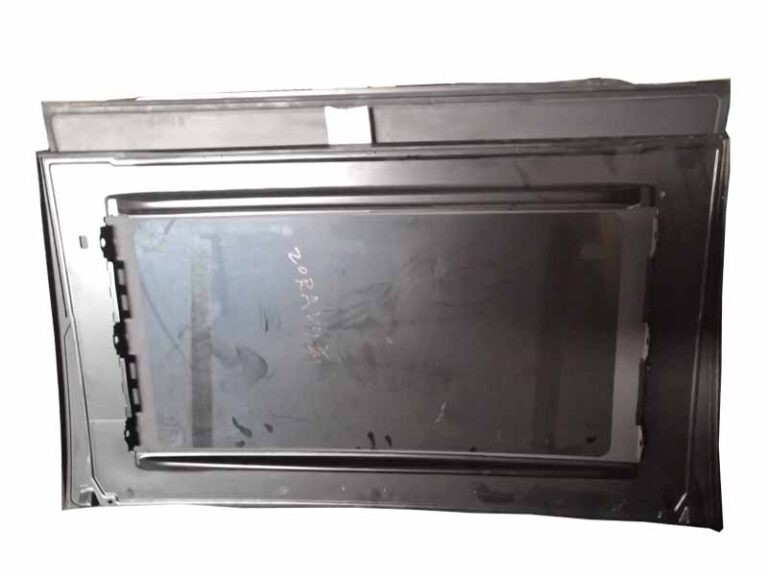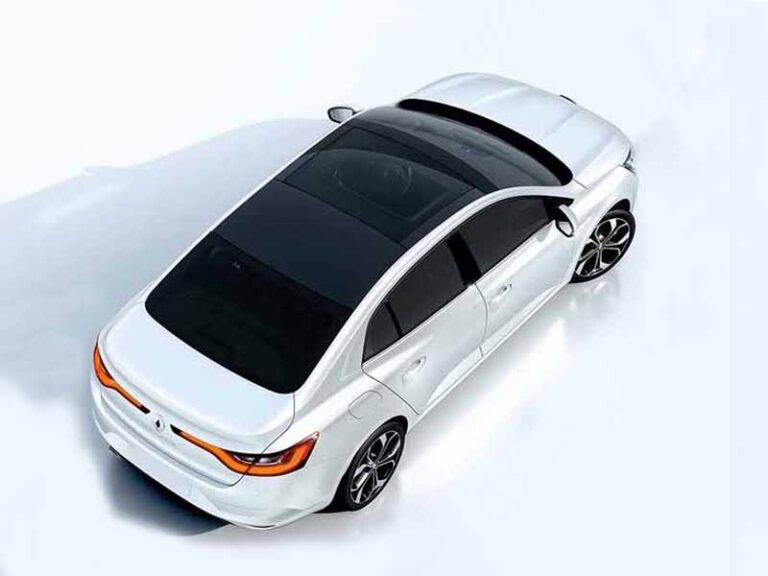
Three Key Factors to Consider When Buying Sunroof Glass
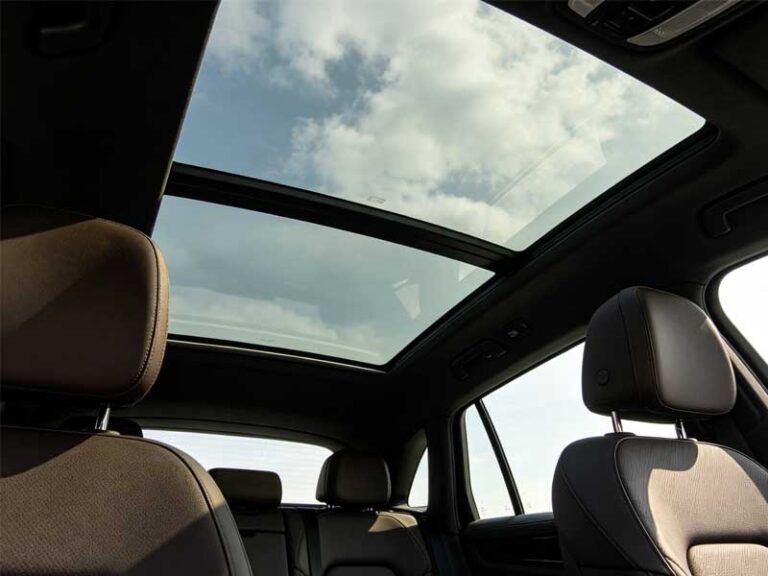
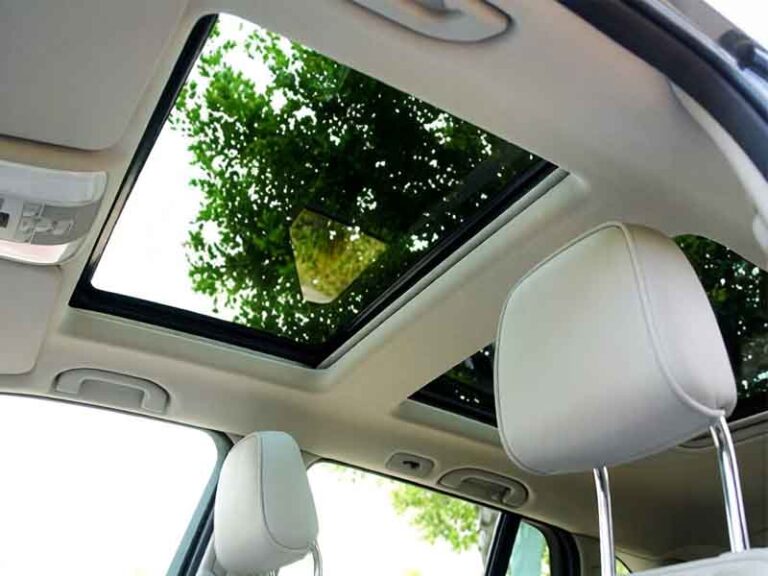
Sunroof glass can provide a wide field of vision and improve the ventilation and lighting effect in the car during driving, but products with poor adaptability and substandard quality not only affect the use experience, but also may bring security risks. Focus on three core points when selecting.
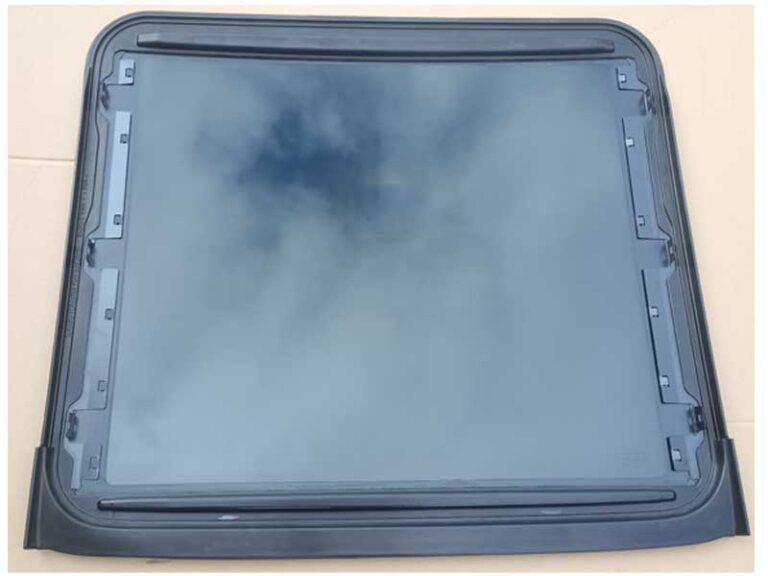
First of all, the size is compatible with the vehicle model. Different brands and models of vehicles have their own design standards for sunroof opening size and installation fixed points. Choosing the wrong size will lead to the failure of installation or air leakage. Be sure to check the vehicle model, production year, and glass model parameters when purchasing. Secondly, the glass quality, sun protection, and heat insulation performance. High-quality sunroof glass is usually tempered and coated with heat insulation, which can effectively improve the impact resistance, block ultraviolet rays and heat, and avoid excessive temperature in the car and the aging of the interior. Finally, installation and after-sales guarantee. It is recommended to choose a merchant who provides professional installation services, and confirm the warranty period and after-sales terms of the products to ensure that the installation process meets the standards, and the subsequent problems can be solved in time.
Glass type: tempered glass and laminated glass
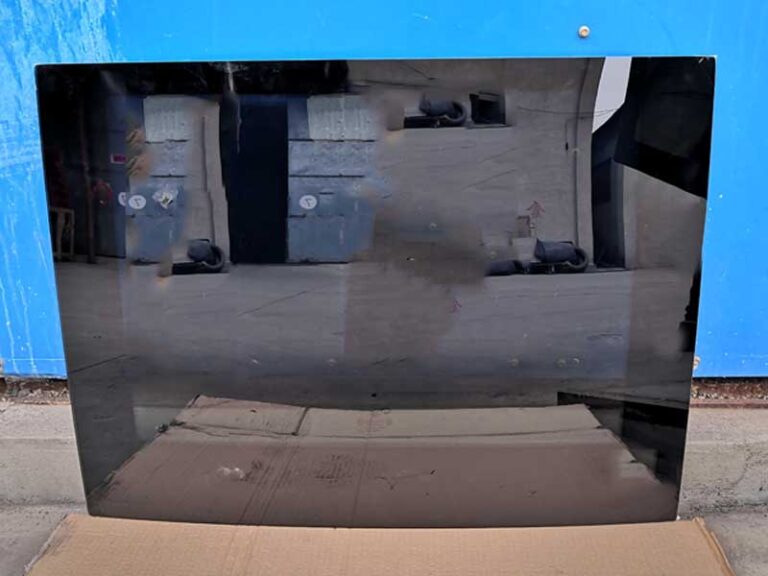
At present, these two materials are mainly used for sunroof glass, and their performance characteristics are obviously different, so they need to be selected according to their own use requirements. After special heat treatment, the strength of tempered glass is several times higher than that of ordinary glass, and its impact resistance is excellent. After crushing, it will split into small particles without acute angles, which can reduce the risk of accidental injury to people in the car, and the cost is relatively lower. Laminated glass is an organic adhesive film sandwiched between two layers of glass. Even if it is broken, the glass fragments will firmly adhere to the film layer and will not fall off and splash. It can also better block noise and ultraviolet rays, and has better safety and sound insulation performance. It is mostly used for panoramic sunroofs of mid-to high-end models.
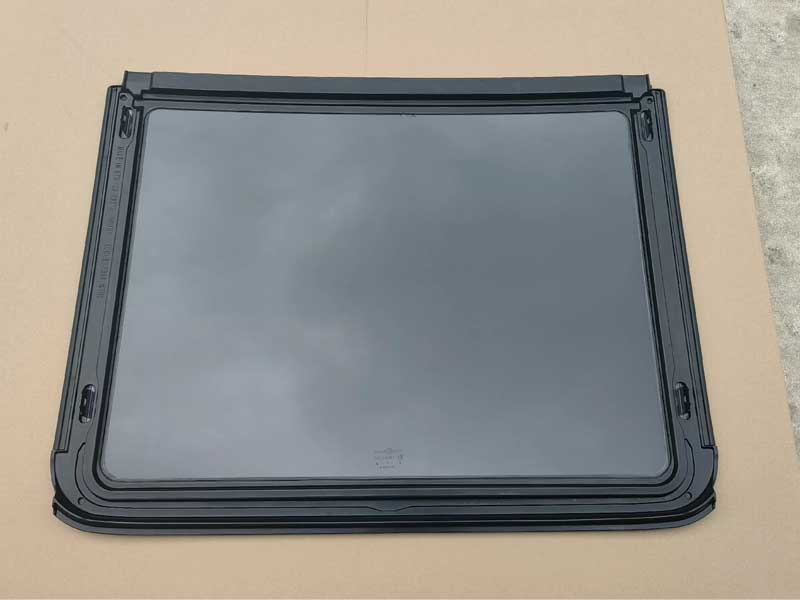
Fit check: curvature and compatibility
An automobile sunroof is not flat glass; it is designed according to the curvature of the roof line. If the curvature of the glass does not match, even if the size parameters are consistent, it will not fit and install, and it will also cause abnormal sound and air leakage during driving. When purchasing, in addition to checking the curvature parameters of the original glass in advance, you can also ask the merchant to provide an adaptation matching table to confirm that the selected glass is completely compatible with your own model and sunroof style, so as to avoid the problem that it cannot be installed after buying it back, delay the use, and increase the return cost.
Security: Certification and Standards
The sunroof glass you buy must meet the safety technical specifications and pass the corresponding compulsory safety certification. Don’t covet the low price and choose the brand-name products that have not been certified. The products with complete certification have stable guarantee in wind pressure resistance, impact resistance and temperature change resistance, and can avoid safety accidents caused by glass quality problems during use.
Life: date code and installation
The performance of sunroof glass will gradually decline with the storage time of glass raw materials, so you must check the production date code on the glass body or packaging when purchasing, and try to choose products with a close factory date to avoid buying stock glass that has been stored for a long time, which will affect the subsequent service life. In addition, the installation process also directly determines the service life of the sunroof glass. It is best to choose an experienced professional store for construction. Before installation, check whether the sealing strip is fitted and whether the sealant is evenly injected, and confirm that the drainage channel is unobstructed, so as to avoid shortening the service life of the glass due to improper installation in the later period.
Ultraviolet protection
The damage from ultraviolet rays to the interior parts of the car can not be ignored. Long-term exposure will lead to cracks in the seat leather, accelerated aging and fading of the central control plastic parts, and even glare and blur on the dashboard display screen. For drivers and passengers, even if they are in the car, they will be exposed to UVA and UVB, and long-term accumulation may cause problems such as dry skin and pigmentation, especially when the sun is strong at noon in summer, the ultraviolet intensity inside the car can reach more than 80% outside.
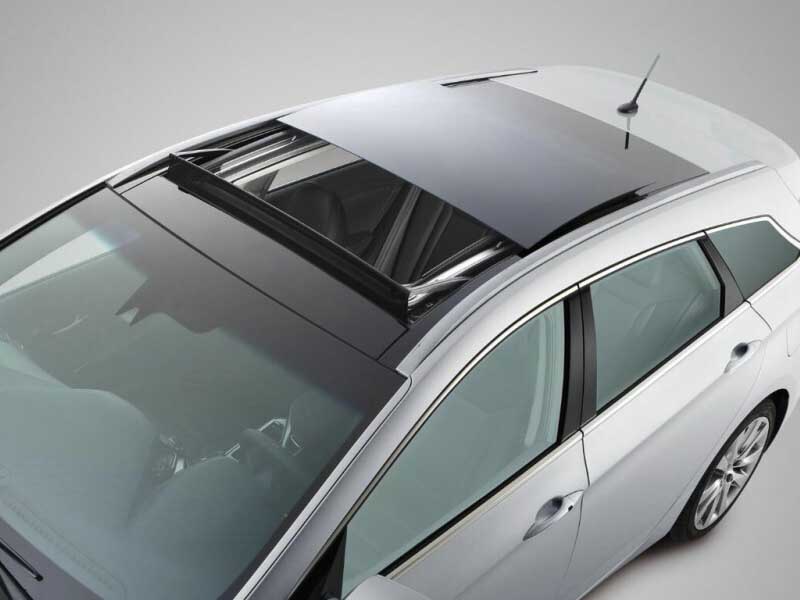
When purchasing sunroof glass, products with professional ultraviolet barrier coating (such as nano-titanium dioxide coating) or a high ultraviolet barrier rate should be preferred. According to automobile glass standards, qualified sunroof glass should be able to block more than 99% UVB and more than 90% UVA, which can effectively reduce ultraviolet damage to skin and delay the aging speed of interior decoration while ensuring light transmittance. When used with a sunroof sunshade, it can further reduce the temperature inside the car and significantly improve ride comfort in summer.
FAQ
Q: Will the sunroof glass with ultraviolet protection affect the light transmittance and darken the interior of the car?
A: The qualified products that meet the standards are all blocked by ultraviolet rays on the premise of ensuring the basic light transmittance. Normal use will not make the interior of the car dim and will not affect the driving vision.
Q: The glass of the sunroof of the original car is not UV-proof. Is there any way to remedy it?
A: You can choose to stick a professional automobile heat insulation ultraviolet protective film to the original sunroof glass. When selecting, you should give priority to the regular brand products that can reach the UVA blocking rate of over 90%, and also achieve the protective effect close to the original ultraviolet-proof sunroof glass. However, you should pay attention to choosing experienced stores for construction to avoid problems such as warping and bubbles in the later stage.
Q: Will the sunroof glass with high ultraviolet blocking rate be very dark, which will affect the lighting in the car?
A: At present, the mainstream anti-ultraviolet sunroof glass is blocked by special coating or glass substrate modification, which will not greatly reduce the visible light transmittance of the glass. Regular and qualified products can ensure a high ultraviolet light blocking rate while retaining sufficient light transmittance, which will not affect the daily lighting in the car.